


5 Critical Things to Inspect on a Used HOWO Dump Truck | Tuoda
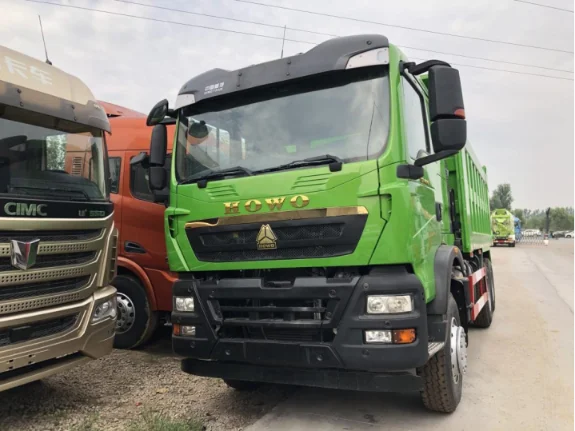
Buying heavy machinery from overseas saves you tens of thousands of dollars upfront. But that initial discount quickly vanishes if the vehicle spends its first month sitting in your repair shop. If you want to protect your fleet budget and avoid buying lemon trucks, you cannot just trust a few shiny photos sent over a phone app. Before wiring any money across the world, make sure you or your sourcing agent run through this ultimate used HOWO inspection checklist. Doing the homework early keeps the junk out of your fleet.
What Are the Hidden Dangers on the Chassis and Frame?
The metal skeleton of the vehicle carries 30 to 40 tons of wet dirt and rocks every single day. If the main structure is compromised, the entire vehicle is basically worthless garbage. Buyers get distracted by a clean cabin and completely miss the structural nightmares hiding underneath.
Spotting Hidden Welds and Cracks
A completely pristine and freshly spray-painted used dump truck chassis is usually a massive red flag in the export market. Sellers often use thick layers of cheap black paint to hide dangerous cracks or welded patches on the main structural beams. Always ask the seller for a close-up raw video of the main beam joints and the suspension hangers before they paint it.
Leaf Springs and Axle Alignment
Constant overloading completely destroys leaf springs. Look closely at the tire treads on the rear drive axles. If you see heavy uneven wear on the inside or outside edges of the rubber, that points to a bent axle housing or severely fatigued springs. The truck likely took a massive beating in a rough mine.
How Do You Verify the Engine and Transmission Health?
The powertrain is where the repair bills get truly scary for overseas buyers. A poorly maintained motor will burn through your operating profits in a matter of weeks. You absolutely need video proof of the truck running under a real load.
Reading the Exhaust Smoke
Ask the seller to start the truck cold and record the exhaust pipe. A little puff of smoke at startup is normal for old diesels. But steady black smoke means the fuel injection system is running way too rich and needs rebuilding. Blue smoke means the cylinders are burning oil. Thick white smoke is the worst sign because it usually points to a blown head gasket leaking coolant into the engine block.
Testing the HW19710 Gearbox
You cannot test a manual transmission while the truck sits empty in a parking lot. Always demand an unedited video showing the driver shifting through the HW19710 gearbox while the truck is actually carrying a heavy load up a dirt incline. Listen closely for any grinding noises or gears popping out of place.
Why Is the Hydraulic Lifting System So Critical?
A dump truck that cannot safely lift its cargo is just a really heavy and completely useless metal box. The hydraulic components take a massive beating on construction sites. Sometimes drivers drop the box too fast and damage the seals.
Inspecting the Hydraulic Cylinder for Leaks
Look at the main lifting cylinder right behind the cab. You are looking for fresh oil weeping down the shiny metal stages. Even a small drip means the internal seals are totally shot. Also ask the driver to engage the power take-off unit and listen for whining or struggling noises from the hydraulic pump.
Floor Thickness and Mining Damage
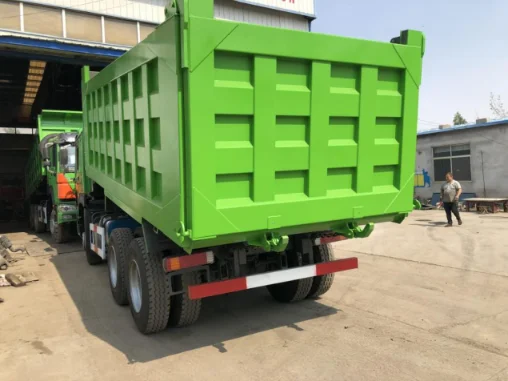
The corrugated side walls of the cargo box might look perfectly fine. But the floor takes all the hard impacts from heavy rocks dropped by excavators. Check the bottom floor plate for messy welded patches or extreme bowing.
Can You Trust the Cab Condition and Mileage?
Dashboard numbers lie all the time in the secondary vehicle market. Buyers love seeing low kilometers on the clock. But sellers know exactly how easy it is to plug in a laptop and change those digital numbers to whatever the buyer wants to see.
Why You Should Ignore the Dashboard
Odometer tampering is a very sad reality you must actively watch out for when you import trucks from China. A ten-year-old vehicle that supposedly only has 40,000 kilometers on it is almost certainly a fake number.
The True Wear Indicators
You need to look at the physical wear inside the cabin to guess the real operating hours. Look at the rubber pads on the clutch and brake pedals. Look at the steering wheel grip. A shiny completely worn smooth steering wheel means the truck ran constantly. Sometimes drivers spill coffee or leave cigarette burns on the seats. Heavy scrubbing marks on the door panels also show a long hard life on dusty roads.
What About the Tires and Brake Air Lines?
People get so focused on the engine that they completely forget the rubber and plastic components. Replacing ten heavy-duty tires right after the truck arrives off the cargo ship will instantly destroy your maintenance budget.
Matching Tire Brands and Tread
Look at the brand names on the tires across the rear axles. If you see four different cheap brands mixed together, it means the previous owner neglected basic fleet maintenance and just slapped on whatever was cheapest at the time.
Air Leaks in the Braking System
Harsh mining environments eat through plastic air brake lines quickly. Ask the seller to build up air pressure in the tanks and turn the engine off. Listen closely near the rear wheels for any hissing sounds. A slow air leak is incredibly dangerous on a steep downhill run.
How Does Tuoda Protect Your Investment When You Import Trucks from China?
The market is full of shady dealers who just slap cheap yellow paint over rust to make a quick sale. Tuoda takes a completely different route. They actually strip the vehicles down and thoroughly check the core mechanicals before the paint gun ever comes out. By providing raw unedited video walkarounds of the engine and bare chassis, Tuoda lets buyers see exactly what they are getting. It is an honest approach to heavy machinery. You get a fully vetted used HOWO TX dump truck that is genuinely ready for the dirt right off the ship. Exploring reliable used trucks from a transparent supplier saves you from endless repair headaches. They completely eliminate the usual stress and guesswork when you import trucks from China by showing you the raw truth.
Conclusion and Next Steps
Stop gambling with company money on bad hardware. A cheap vehicle becomes the most expensive vehicle if it spends half its life waiting for spare parts. Grab the used HOWO inspection checklist and stick to it rigidly. Choose a transparent partner to avoid buying lemon trucks. Contact the sales team today to secure a field-ready used HOWO TX dump truck for your next big project.
FAQ
Q1: How much rust is acceptable on a used commercial vehicle frame?
A: Surface rust is totally normal on heavy machinery that works outside. But deep flaking rust that actually eats into the metal thickness is a major structural hazard and you should reject the vehicle.
Q2: Why do some exporters refuse to show videos of the truck under load?
A: They likely know the engine lacks compression or the transmission slips out of gear when pushed hard. Never buy a commercial vehicle if the seller makes excuses about load testing.
Q3: Is it cheaper to replace hydraulic cylinder seals locally or before shipping?
A: It is always better and cheaper to have the supplier replace bad hydraulic seals before the vehicle gets on the cargo ship. Sourcing the exact right seal kit in a remote town can take weeks.
Q4: What is the lifespan of a used heavy duty diesel engine?
A: With proper oil changes and clean diesel fuel, these large displacement motors can easily run for over a million kilometers before needing a complete bottom end rebuild.
Q5: How long does the international shipping process usually take?
A: Depending on the destination port, the sea voyage usually takes anywhere from 30 to 45 days after the vessel leaves the loading dock.
