


Used Dump Trucks Dealers You Can Trust
Finding used dump trucks for an infrastructure, mining, or road project requires more than a product list. A dealer earns buyer confidence through identifiable vehicles, dated inspection evidence, clear commercial terms, export documents, and a practical support boundary. These checks matter across Africa, South America, and the Middle East, where project conditions vary by country.
Use “trusted” as a document standard. The dealer should connect every claim to a vehicle, a test, a file, or a written responsibility. Brand familiarity and marketplace ratings start research; the purchase decision needs vehicle-level evidence.
How Do Dealers Earn Trust When Selling Used Dump Trucks?
Company Identity and Contract Responsibility
Confirm the legal company name, trading address, contact details, invoice entity, and bank-account beneficiary. The contract should identify who owns the vehicle information, arranges inspection, pays for agreed repairs, and releases export documents. Keep these details in the RFQ and draft invoice.
Vehicle Identity, VIN, and Current Stock Evidence
Request the vehicle identification number (VIN), registration evidence where available, current photographs, and a continuous walk-around video. Match the VIN across the configuration sheet, inspection report, invoice, and loading record. Stock images and repeated model photos do not identify the truck offered to you.
Clear Communication and Written Quotation Terms
Ask for a written quotation with truck price, preparation, inspection, Incoterm, port, freight, insurance, currency, validity, payment stages, and document-release point. The dealer should list open defects and repair responsibility.
What Inspection Evidence Should a Dealer Provide?
Engine, Transmission, Axles, Chassis, Brakes, and Hydraulics
The inspection file should follow the systems that affect daily operation. Request cold-start evidence, dashboard readings, leak checks, transmission operation, axle and differential observations, brake and steering checks, and chassis images. For a dump truck, include the subframe, hoist cylinder, hoses, control valves, cargo-box floor, tailgate, and frame repairs.
Liangshan Tuoda publishes inspection categories covering the exterior, interior, engine, chassis, and electrical system. Ask for the findings for the quoted VIN, together with the inspection date, test method, defects, and agreed repair responsibility.
Photos, Video, Inspection Date, and Repair Responsibility
Keep dated media with the report. A useful video shows the vehicle identity, cold start, cab instruments, engine bay, chassis, tyres, cargo box, and hydraulic operation. When a dealer cannot provide a service record or test result, record that gap and request a separate inspection or repair line.
Cargo Box, Tyres, Cab, and Electrical System
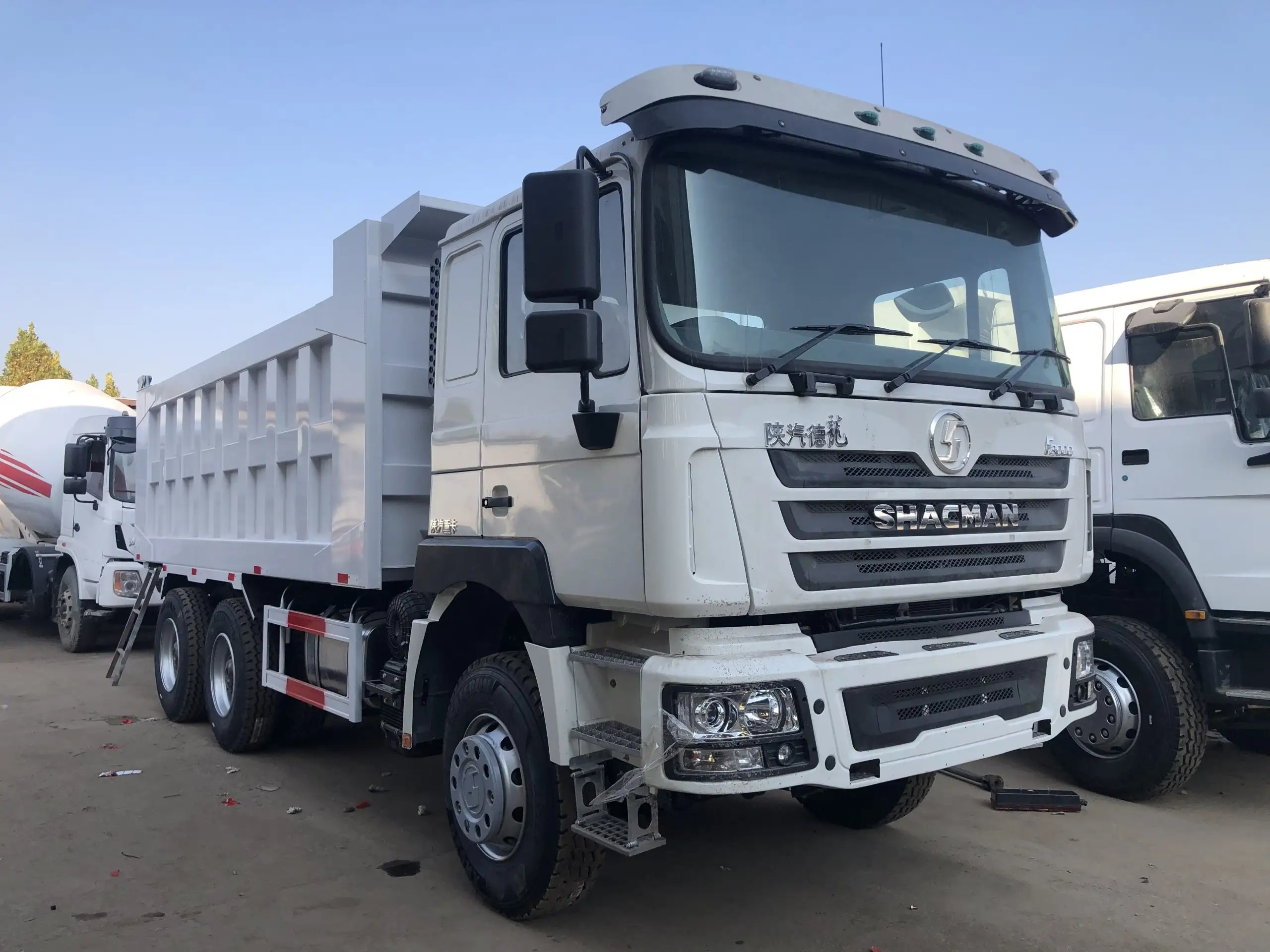
The supplied product material shows square and U-shaped cargo-box options. Confirm body volume, steel thickness, floor wear, tailgate, hoist, tyre size and tread, cab, lights, wiring, and batteries. These details tie the vehicle to the job.
How Do You Compare Dealers, Marketplaces, Auctions, and Exporters?
Who Owns the Vehicle Information?
A direct dealer or exporter may collect the inspection file and prepare the quotation. A marketplace hosts listings from multiple sellers. An auction provides lot terms, while the buyer handles tasks defined by the sale rules. Ask who corrects specification errors and signs commercial documents.
Who Handles Inspection, Export Documents, and Defects?
Put the responsibility in writing. Confirm who supplies the inspection report, invoice, loading record, destination documents, and agreed repair evidence. A listing platform helps you find candidates; the contracting seller remains the party you evaluate.
How Do Trade Terms Change the Buyer’s Responsibility?
FOB, CFR, and CIF describe different delivery points and included costs. Ask for separate lines for inland haulage, port handling, freight, insurance, customs, tax, clearance, registration, and destination delivery. Compare candidates at the same port or project location so the dealer’s price reflects the same responsibility.
Which Used Dump Truck Specifications Should You Verify?
HOWO and SHACMAN Engine and Axle Fields
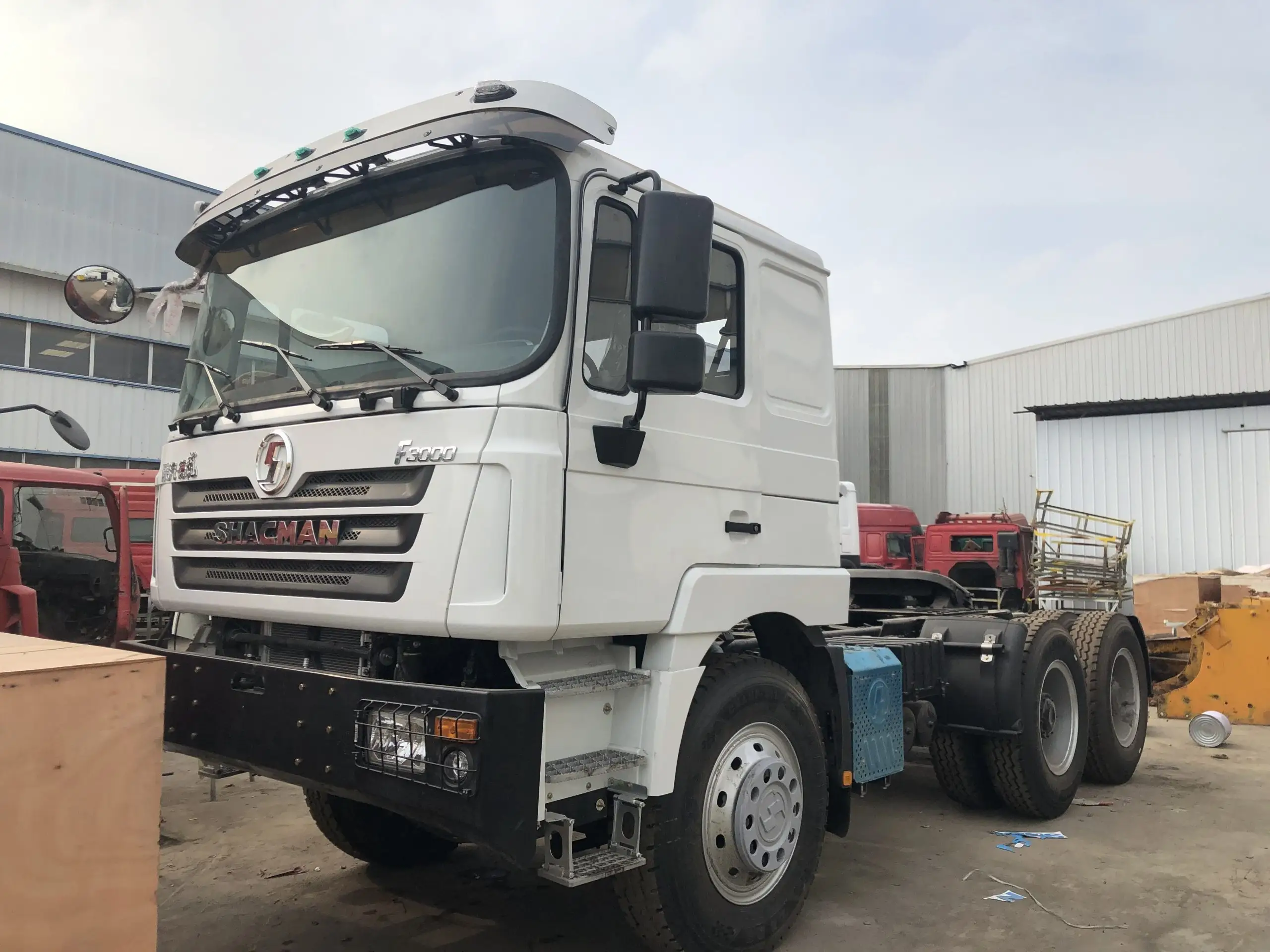
The product material provides a useful RFQ structure. A SHACMAN F3000 example uses a WP10.380E32 engine rated at 380 hp, a MAN 7.5T front axle, a 16T MAN double-reduction drive axle, and 12R22.5 tyres. HOWO examples include WD615.47 at 371 hp, WD615.96 at 375 hp, and WP12.430E32 at 430 hp, with VGD95 front axles and HC16/AC16 double rear axles.
These entries are configuration examples. Ask the dealer to bind the engine model, power, axle combination, tyre size, emission version, and cargo-box form to the quoted VIN.
6×4/8×4, Payload, Tyres, and Cargo-Box Form
Confirm legal gross weight, payload, body volume, material density, axle ratings, drive layout, tyre specification, and loaded trips per day. A 6×4 or 8×4 label has meaning only when it matches the route and loading cycle. Check the square or U-shaped body against the material and unloading method.
Emissions and Project Fit for Regional Markets
Ask a destination-country authority or customs broker to confirm emission, vehicle-age, inspection, traffic-side, and registration requirements. Add heat, dust, unpaved roads, slopes, route length, and workshop access to the project brief. The dealer should quote against those conditions.
What Should Regional Buyers Check Before Import?
Port, Customs, Tax, Registration, and Inland Haulage
Name the destination country and port in the RFQ. Confirm the available shipping method, customs valuation, duty, tax, clearance, port storage, registration, and inland haulage with local parties. A CIF number describes a port delivery basis; it does not describe the cost at a remote worksite.
Road, Climate, Route, and Loading-Cycle Requirements
Describe the project material, route surface, slope, daily cycle, payload, climate, and loading equipment. These inputs guide checks on tyres, cooling, filtration, brakes, drivetrain, suspension, frame, and hydraulic equipment. The same dealer can then return a specification that answers the actual job.
Parts Numbers, Workshop Skills, and Remote-Site Preparation
Request parts numbers and technical information for the exact engine, transmission, axles, and tyres. Check sourcing with a local dealer, importer, or workshop. For remote projects, list filters, belts, hoses, fluids, tools, critical parts, and fault-escalation contacts before shipment.
How Can You Build a Dealer Verification RFQ?
Request a VIN-Bound Document Package
Send one standard brief to every candidate. Include the country, port, project type, material, route, payload, drive layout, engine and emission requirement, cargo-box type, tyre preference, acceptable age and mileage, inspection evidence, Incoterm, shipping method, spare-parts list, and budget currency.
For product selection, review magari ya kutengeneza and request a VIN-linked configuration sheet, inspection report, photographs, video, and repair list for each candidate.
Compare the Same Incoterm and Delivery Point
Place supplier price, preparation, export documents, port handling, freight, insurance, duty, tax, clearance, registration, destination haulage, and initial parts in separate lines. Keep the delivery point and currency consistent. This makes a revision easier to trace when freight or customs assumptions change.
Confirm Payment Stages, Inspection, Repairs, and Loading Records
Write the deposit, balance milestone, inspection point, document release, repair approval, and loading record into the purchase file. The used truck inspection service page provides inspection categories to discuss with the seller.
Choose a Dealer With Verifiable Evidence
The dealer you can trust is the dealer that can identify the truck, explain the work performed, show dated evidence, state the commercial boundary, and connect the quote to your destination. That standard works for used dump trucks sourced through a local dealer, marketplace, auction, or exporter.
Liangshan Tuoda International Trade Co., Ltd. lists refurbished dump trucks, tractors, concrete mixer trucks, and other commercial vehicles. Its website describes inspection areas covering the exterior, interior, engine, chassis, and electrical system. Buyers can wasiliana na Liangshan Import with the country, port, project type, quantity, target configuration, and required documents to request vehicle-specific information.
Maswali ya kawaida
Swali la 1: How can you verify a used dump truck dealer?
Jibu: Verify the legal company details, contracting entity, VIN, current media, inspection report, quotation, export documents, and repair responsibility. Match the same information across the invoice, vehicle file, and loading record.
Swali la 2: What documents should a trusted dealer provide?
Jibu: Request a VIN-linked quotation, configuration sheet, dated photos and video, inspection report, refurbishment or repair list, service records where available, invoice, export documents, loading record, Incoterm, and freight basis.
Swali la 3: Should you buy from a marketplace or a direct exporter?
Jibu: Both channels can provide candidate trucks. Compare the contracting seller, inspection responsibility, document package, defect process, trade term, and destination cost for the specific VIN.
Swali la 4: Which used dump truck specifications matter for African, South American, and Middle Eastern projects?
Jibu: Check payload, drive layout, axle ratings, engine and emission version, tyres, cargo-box form, cooling, filtration, brakes, route, climate, parts access, and local registration requirements. The dealer should bind these fields to the quoted vehicle.
Swali la 5: What should you confirm before paying for a used dump truck?
Jibu: Confirm the VIN, inspection findings, open repairs, agreed price lines, Incoterm, named port, payment milestones, document-release stage, shipping basis, destination charges, and loading record. Keep unresolved items in writing.
Kabla: Hakuna
Ifuatayo: Refurbished Dump Truck vs. New Dump Truck Cost-Benefit Analysis
