


Refurbished Tractor Truck vs. Leasing: Cost Comparison
Buying a refurbished tractor truck can cost less over a planned holding period if its purchase price, repairs, and resale value compare favorably with lease charges. Leasing can require less initial cash and include maintenance support. Compare both over the same months and mileage, including fees and the vehicle’s value at the end.
Here, “tractor” means the truck head that pulls a semi-trailer. Compare the tractor alone unless both quotes include a trailer. Start with a specific vehicle from the refurbished tractor truck range, then obtain a lease quote for equipment capable of the same work.
What Are You Comparing: A Refurbished Tractor Purchase or a Lease?
Buying a Refurbished Tractor Truck
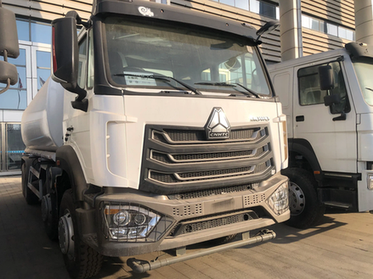
Buying means paying for ownership, either with cash or through a loan. For a refurbished tractor, request an itemized record of the work completed: inspection, repairs, replaced parts, and operating tests. Use that record to estimate future repairs; do not assume every major component has been rebuilt.
Leasing, Maintenance Coverage, and Lease-Purchase
Check the contract’s ownership and return terms separately from its maintenance package. For example, Ryder’s leasing options distinguish preventive, full-service, and on-demand maintenance, alongside different finance arrangements. These are examples of a provider’s North American offering, rather than terms available everywhere.
|
Question |
Buy a refurbished tractor |
Lease and return |
Lease-purchase with buyout |
|---|---|---|---|
|
Initial payment |
Purchase price or loan down payment, plus delivery costs |
Contract fees, advance rent, and any deposit |
Initial payment and fees specified in the contract |
|
Repairs |
Budget for costs outside the agreed warranty |
Check included work and exclusions |
Check coverage and any maintenance reserve |
|
End of period |
Keep or sell the truck; settle outstanding debt |
Return it and settle applicable charges |
Complete the required purchase steps and payments |
|
Value to include |
Net resale value |
Refunds and any residual-value obligations |
Vehicle value after buyout, less remaining obligations |
Treat a refurbished vehicle’s condition and its payment method as separate choices. A used truck may also be offered under a lease; inspect the actual unit in either case.
Compare Upfront Cash and the Truck’s Landed Cost
For an imported refurbished tractor, build a delivered, ready-to-operate budget. Ask which charges the purchase quotation already includes before adding:
Inspection and agreed refurbishment work.
Freight, insurance, port handling, and local delivery.
Customs clearance, nonrecoverable duties or taxes, and registration.
Confirm destination-country eligibility before committing to shipment. Obtain local figures for the exact vehicle and delivery terms.
For the lease, record advance payments, setup charges, delivery, and the security deposit. Show refundable deposits separately: they tie up cash, but any amount returned reduces the final net outlay. Also check whether an advance payment replaces a later installment, so you do not count it twice.
Add Maintenance, Downtime, and Contract Charges
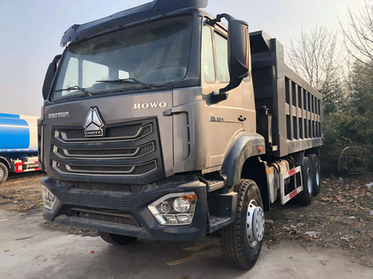
Repairs, Tires, and Refurbishment Records
Build the purchase repair budget from the truck’s condition and service records. For the lease, request a written list covering scheduled servicing, major failures, tires, brakes, towing, and replacement transport.
Penske’s full-service leasing description lists maintenance, roadside assistance, and access to rental trucks. However, access to a rental vehicle does not itself establish that replacement transport is free. Check the quoted contract and local service coverage.
Tuoda’s inspection and after-sales service information provides a starting point for purchase inquiries. Confirm the inspection results, warranty exclusions, and support available for your particular vehicle and destination.
Mileage, Utilization, and End-of-Term Costs
For each lease quote, identify fixed rent, usage charges, mileage allowances, return-condition requirements, and early termination costs. Ask whether payments continue during repairs and what happens if your route or workload changes.
Include replacement transport when needed. If you also estimate lost earnings, count only losses remaining after replacement transport; avoid charging twice for the same disruption. Reconcile maintenance-reserve contributions, repair deductions, and refundable balances separately.
Calculate the Total Cost Over the Same Period
Choose a common holding period, distance, currency, and job requirement. This approach follows the broader total-cost perspective discussed in KPMG’s fleet ownership study. That study uses Ryder fleet data; its findings are not a price forecast for a refurbished HOWO or SHACMAN truck.
For a simple, undiscounted comparison:
Cash purchase cost = delivered purchase cost + operating costs included in the comparison + selling costs − resale proceeds.
Lease-and-return cost = all contract payments and deposits paid + operating costs outside coverage + return charges − refunds.
If financing the purchase, replace the purchase-price payment with the down payment, installments paid during the period, and debt remaining at the end. Include any other acquisition costs once. Do not add the full purchase price again.
For lease-purchase, include the buyout and credit the truck’s end value.
Illustrative 36-Month Comparison
All inputs below are hypothetical editorial assumptions in USD, not seller quotes, market averages, or customer results. Both trucks are assumed to perform the same work over 36 months and 180,000 total kilometers. The purchase is paid in cash and the truck sold at the end.
The invented lease includes scheduled servicing and mechanical repair coverage; its uncovered maintenance and tire allowance appears separately. These assumptions do not describe Ryder, Penske, or Tuoda terms.
|
Cost input |
Buy a refurbished tractor |
Hypothetical lease and return |
|---|---|---|
|
Delivered purchase cost |
$44,000 |
— |
|
Nonrefundable lease setup fee |
— |
$1,500 |
|
Base lease payments: $1,100 × 36 |
— |
$39,600 |
|
Usage charges over the period |
— |
$3,600 |
|
Maintenance, repairs, and tires outside coverage |
$12,000 |
$2,400 |
|
Replacement transport |
$3,000 |
$0 assumed under contract |
|
Selling or return costs |
$0 assumed |
$900 |
|
Resale proceeds |
−$20,000 |
— |
|
Calculated net cost |
$39,000 |
$48,000 |
|
Calculated monthly average |
$1,083.33 |
$1,333.33 |
|
Calculated cost per total kilometer |
$0.217 |
$0.267 |
Assume the lease also requires a $2,000 deposit, fully refunded at the end. It raises initial cash needs but adds zero to the net total above. Its temporary use of funds still matters to a cash-flow assessment.
Fuel, drivers, insurance, recurring permits, and trailer costs are assumed equal and excluded from both columns. Add any differences to the relevant side. The purchase input includes delivery and nonrecoverable acquisition charges; the example excludes income-tax effects and recoverable tax cash flows.
Test Repairs and Resale Value
Under these assumptions, buying has a 12,000 in purchase-side repairs and a 56,000. Holding the lease assumptions unchanged then reverses the result.
Run this test with your own low, base, and high estimates. Use the same total-mileage definition on both sides, including empty running. Monthly averages also hide payment timing: a discounted cash-flow analysis is needed if you want to compare the time value of money.
When Could Buying or Leasing Fit Your Fleet?
Assess a refurbished tractor purchase against a stable workload, access to repairs, available cash, and a realistic resale plan. Test whether the business can absorb a major repair while keeping its transport commitments.
Assess leasing against the initial cash requirement, local service access, included maintenance, and the cost of leaving the agreement. A long-term lease should not be treated as flexible capacity unless its terms allow that flexibility.
If the lease supplies a newer truck, enter any supported differences in fuel use, repair needs, and availability. Those differences concern the vehicles as well as how you pay for them.
What to Request Before Comparing Quotes
For the refurbished tractor, request the VIN, specification, current inspection results, refurbishment record, warranty terms, and delivered quotation. Confirm compatibility with your trailer, route, and destination requirements.
For the lease, request the payment schedule, usage rates, maintenance exclusions, deposit-refund rules, replacement-vehicle terms, return standards, early-exit charges, and any buyout obligations.
To develop the purchase side of your comparison, request vehicle details and a purchase quote from Tuoda. Provide your destination, expected annual distance, route conditions, and required configuration, then compare that offer with a local lease on the same basis.
Frequently Asked Questions
Is a Refurbished Tractor Truck Always Cheaper Than Leasing?
The result depends on the delivered purchase price, repair spending, resale value, and lease terms. Use the same period and mileage for both. A purchase can have a lower base-case cost while becoming more expensive if major repairs or a weak resale price exceed the expected savings.
Does a Tractor Truck Lease Include Maintenance and Tires?
Check the specific package and contract. Ryder, for example, describes separate maintenance options on its linked leasing page. Ask for written coverage of servicing, tires, brakes, major repairs, towing, and replacement vehicles. Enter uncovered items in your comparison rather than assuming the monthly rent pays for everything.
How Should Resale Value Affect a Buy-vs-Lease Comparison?
Subtract expected sale proceeds from ownership costs and add selling expenses. If a loan remains, include the debt due at that date. Test a lower resale estimate as well.
For a refurbished tractor you retain, show an estimated end value separately from cash receipts, since keeping it produces no sale payment.
What Is the Difference Between Leasing and Lease-Purchase?
Compare the contract’s end conditions. A lease may require return or offer renewal and purchase choices. A lease-purchase arrangement sets out a route to ownership through specified payments and conditions. Verify the buyout, fees, title-transfer steps, and maintenance obligations before comparing its monthly payment with a return-at-end quote.
Kabla: Hakuna
Ifuatayo: SHACMAN Trucks for Construction Sites: Key Advantages
