


Shacman vs HOWO Refurbished Tractor Trucks for Heavy Logistics
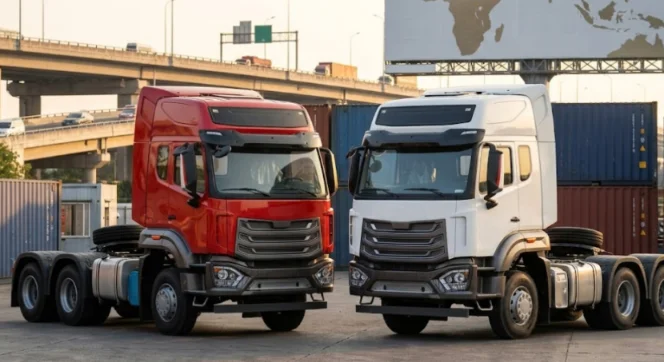
If you run heavy logistics in Africa or Southeast Asia, the truck choice usually comes down to two familiar names: Shacman vs HOWO. The hard part is not the badge. It is whether the truck matches your route: smooth expressway at 85 km/h, or broken national road with potholes, dust, and slow climbs. A refurbished tractor truck can be a smart buy, but only if the powertrain and axle ratio fit your day-to-day work.
Tuoda is worth a quick note here because it sits right in the middle of this buying decision. Tuoda is based in Liangshan, a major hub for used heavy trucks and trailers, and focuses on export-ready commercial vehicles such as tractors, dump units, mixers, and flatbeds for overseas fleets. The practical value is the stock depth and configuration range: you can often pick the driveline spec that matches your roads instead of being stuck with a single layout. The site also emphasizes export support and dealer coverage, which matters when you are trying to keep trucks moving across borders and ports.
Why Do Refurbished Tractor Trucks Make Sense for Long-Haul Heavy Logistics?
Refurbished units exist for one reason: operating days. A new fleet buyer often focuses on purchase price, but your real cost comes from downtime, towing, missed loads, and the driver sitting around. That is why long-haul buyers often choose refurbishment when cash flow is tight or when local financing is expensive.
The catch is that “refurbished” is not a single standard. Some trucks get a quick cosmetic refresh. Others get serious driveline work plus export preparation. Tuoda’s own checklist-style guidance for tractor buyers frames it in a simple way: think about workshop days versus working days, because one dead week can erase the savings you felt at purchase time.
Refurbished Vs Used: What You Are Really Paying For
A plain used unit might look cheap, but if it needs a clutch, air system work, or axle reseal after landing, you pay twice: once in money, again in missed trips. A proper refurb should at least make the truck export-ready, road-ready, and easier to schedule into your dispatch plan.
The Fast Screening Rule Before You Buy
If the seller cannot clearly state the driveline spec and axle ratio, walk away. Those two items decide whether the truck cruises cleanly on highways or screams at high RPM all day.
What Actually Changes Profit on a Long Route?
A long route is not won by peak horsepower. It is won by stable cruise RPM, sane fuel burn, and fewer repair stops. Most new operators learn this after the first month, usually the hard way.
You want a tractor that holds speed without constant downshifts, and that does not overheat when the weather turns hot. You also want parts that local workshops already know how to handle. Tuoda positions its export supply around real job-site needs and multiple configurations, which is exactly what you need when your routes are not “textbook highways.”
The Five Metrics That Matter More Than Horsepower
Torque delivery at low and mid RPM
Gear spacing and top-gear cruise behavior
Rear axle ratio and tire size match
Cooling and braking stamina in heat and hills
Local parts availability and mechanic familiarity
A Small Real-World Example
If your trucks run 900 km a week and lose two days a month to avoidable repairs, you are already giving away a lot of revenue. It is boring math, but it is the math that pays your drivers.
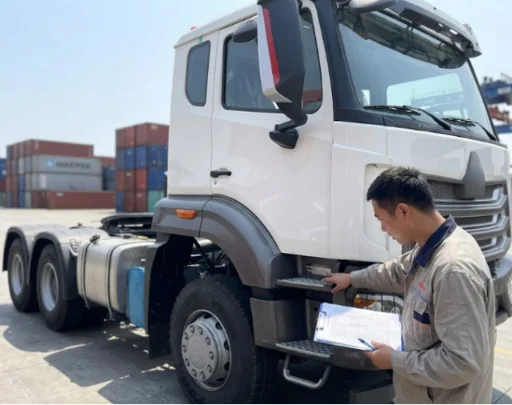
Which Engine Style Fits Your Roads Better?
This is where Shacman vs HOWO debates usually get messy. People argue “Brand A engine vs Brand B engine,” but the better question is: what engine behavior matches your route speed and terrain?
On highway-heavy lanes, you want a calm cruise band and steady temperature control. On broken roads with frequent slowdowns, you want strong pull at lower road speed and a driveline that does not punish your clutch and universal joints.
Highway-Heavy Routes: What You Should Target
Look for a setup that can hold your legal cruise speed without running high RPM all day. High RPM cruise raises noise, fuel burn, and heat load. It also makes drivers tired, and tired drivers do dumb things. Everybody has seen it.
Bad Roads And Mixed Terrain: What You Should Target
If your lane includes mud season, construction zones, and steep short climbs, the truck must move heavy weight at lower speed without constant gear hunting. That usually means you accept a higher cruise RPM in exchange for better pulling power where it counts.
How Should You Choose a Rear Axle Ratio?
If you take only one thing from this article, take this: rear axle ratio decides your daily fuel bill and your driver’s mood. Many first-time buyers ignore it, then wonder why the truck feels “wrong” on their roads.
Axle ratio is basically the torque multiplier at the wheels. Higher ratio gives more pull but higher cruise RPM and lower top speed. Lower ratio gives lower cruise RPM and better highway economy, but can feel weak on hills or with heavy gross weight.
A Simple Ratio Guide You Can Use
Highway-focused lanes with stable 80–100 km/h cruise usually prefer a lower ratio setup so the engine stays in a comfortable cruise band. Mixed routes often sit in the middle. Hilly lanes and rough roads often need a higher ratio so the truck can climb and restart under load without cooking the clutch.
The Hidden Factor People Forget
Tire size changes the effective ratio. Two trucks with the same axle ratio can cruise at different RPM if tire specs differ. Ask for tire size in writing, not just “standard tires.”
Часто задаваемые вопросы
Q1: Which Is Better for Expressway Long Haul, Shacman vs HOWO?
A: If your lane is mostly smooth highway, focus on a lower cruise RPM setup and the right rear axle ratio. Pick the unit whose driveline spec matches your target speed and payload, not the one with the louder fanbase.
Q2: What Is the Biggest Risk When Buying a Refurbished Tractor Truck?
A: Paying for paint while the driveline is tired. Downtime kills profit. Use a checklist mindset and ask for confirmed specs, export readiness, and maintenance work done before shipment.
Q3: What Rear Axle Ratio Should You Choose for Bad Roads?
A: Rough roads and heavy starts usually need a higher ratio so the truck pulls cleanly at low speed. Expect higher cruise RPM on open highway. Balance that trade based on your route mix.
Q4: Why Does Fuel Use Change So Much Between Two Similar Units?
A: Axle ratio, tire size, and top-gear behavior. A mismatched ratio forces higher RPM at cruise and burns more fuel, even if the engine rating looks similar on paper.
Q5: What Should You Ask a Supplier Before Paying?
A: Ask for confirmed driveline spec, rear axle ratio, tire size, refurbishment scope, export documents readiness, and a realistic shipment timeline. If answers are vague, keep shopping.
Предыдущая: Никто
Следующий: Used HOWO 336 Dump Truck Video Inspection Guide 2026
