


How to Buy Reliable Used Tractor Trucks
Reliable used tractor trucks start with a defined transport job and vehicle-specific evidence. Record the cargo, trailer, gross combination mass, route distance, road surface, gradient, operating hours, fuel conditions, and destination-country rules. These inputs shape the cab, axle layout, engine, transmission, tyres, fifth wheel, and cooling requirements. A complete purchase review also covers maintenance history, physical inspection, road testing, export documents, and parts preparation.
Define the Transport Job Before Comparing Tractor Trucks
The same tractor unit can produce different results on a paved corridor, a mountain route, or an unsealed project road. Build one duty profile before reviewing listings or quotations.
Match the Truck to the Cargo, Trailer, and Route
Identify the cargo and trailer first. Low-bed trailers carrying machinery, flatbeds moving steel, tankers, and bulk trailers create different gross mass, centre-of-gravity, braking, and connection requirements. Ask the project engineer or fleet manager to provide the loaded trailer mass and kingpin details.
Map the route from loading point to destination. Include gradients, road width, turning areas, bridge limits, unsealed sections, altitude, ambient temperature, and fuel availability. Daily distance and operating hours help your maintenance team plan service intervals and parts stock for the project.
Choose the Cab and Axle Configuration
A day cab serves routes where the driver returns to base. A sleeper cab supports long-distance assignments that require rest space. Cab choice also affects vehicle length and inspection points, so include it in the request for quotation.
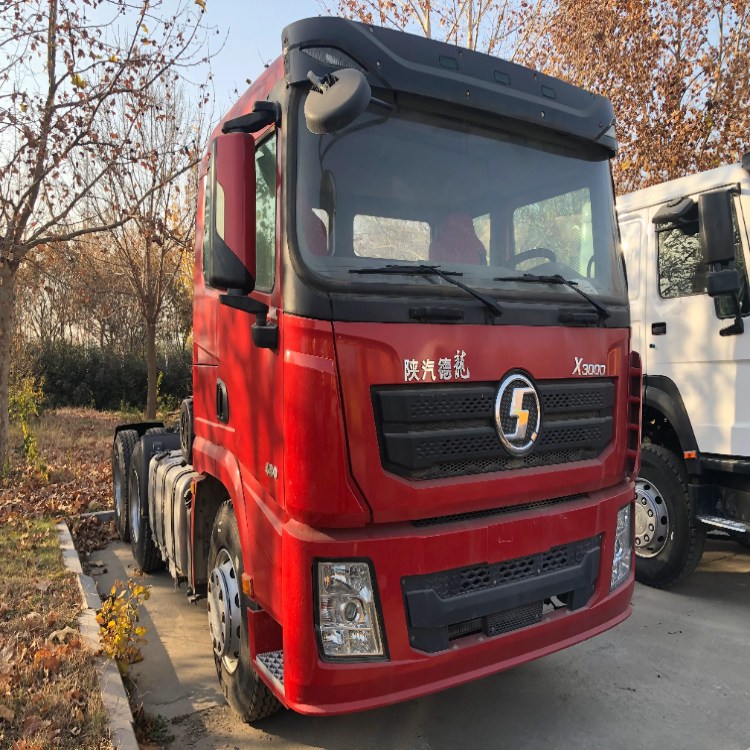
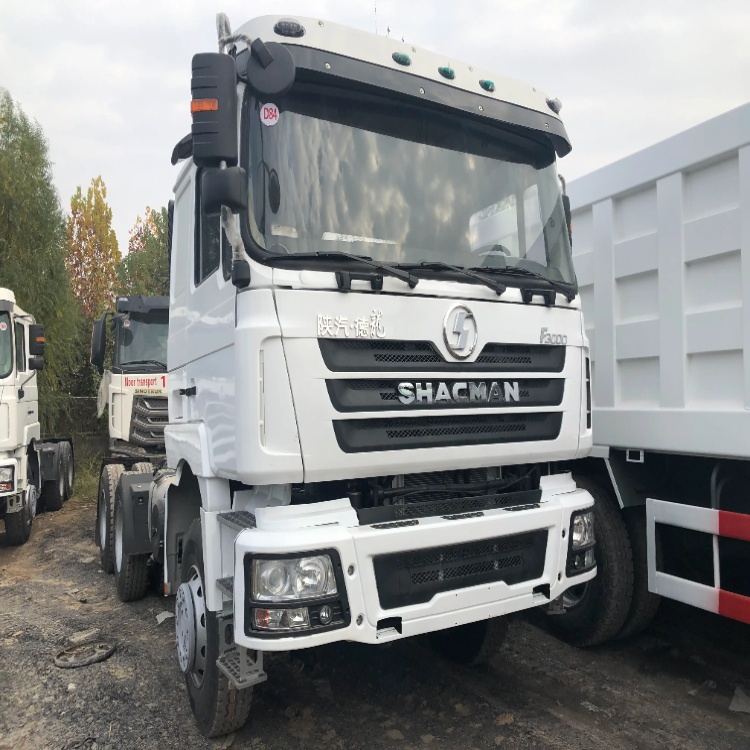
Liangshan Tuoda lists отремонтированные тракторные грузовики from SHACMAN and SINOTRUK product families. Current category fields include 6×4 configurations. Your selected axle layout should match the planned gross mass, traction requirement, road condition, tyre availability, and local axle rules.
Compare the Specifications That Affect Tractor Trucks on the Haul
Compare every candidate against the same duty profile. The quotation should identify the exact vehicle and each fitted component.
Engine, Transmission, Axles, and Tyres
| Project input | Specification to confirm | Evidence to request |
|---|---|---|
| Loaded trailer mass and gradient | Engine model, rated power, gearbox ratios, drive axles | Component plates, specification sheet, driving video |
| Unsealed roads and soft yards | Drive configuration, differential equipment, tyre pattern | Axle labels, tyre photos, route requirement |
| Long distance and high temperature | Cooling system, cab type, fuel capacity | System photos, operating test, tank details |
| Local workshop capability | Engine, gearbox, axle, brake, filter, and tyre models | Parts list and component identification |
A HOWO Euro 2 tractor example in Liangshan Tuoda’s product material uses an HW76 cab, WP12.400E22 engine rated at 400 hp, VGD95 front axle, HC16/AC16 double rear axles, and 12R22.5 tyres. These figures describe that configuration. Confirm the engine, gearbox, axles, tyres, and emissions equipment fitted to the offered truck.
В HOWO tractor and SHACMAN tractor comparison can support a model-level discussion. The purchase decision still requires matched vehicle specifications, condition evidence, and the same project assumptions.
Fifth Wheel, Chassis, and Trailer Compatibility
The fifth wheel connects the tractor to the trailer kingpin. Confirm the fifth-wheel type, height, mounting position, locking operation, and kingpin compatibility. The HOWO example lists 50 or 90 fifth-wheel options. Ask the seller to record the fitted option and show the locking jaws, mounting plate, release handle, lubrication surface, and surrounding frame.
Trailer electrical and air connections also need matching plugs, voltage, hose fittings, and brake controls. Record required adaptations in the quotation before shipment.
Inspect a Used Tractor Truck Before Purchase
Liangshan Tuoda describes inspection coverage for vehicle exterior, interior, engine, chassis, and electrical systems. Turn these categories into a unit-specific inspection record with dated photos, videos, identifiers, and test results.
Verify Identity and Maintenance Records
Match the chassis number, engine plate, registration or export record, invoice, and quotation. Review available service invoices, parts records, previous repair information, mileage or hour evidence, and ownership documents. Gaps become inspection items for the mechanic.
Check the Engine, Gearbox, Axles, and Brakes
Begin with the engine cold. Record dashboard indicators before starting, startup time, idle, exhaust, instrument readings, fluid condition, visible leakage, and engine sound. A driving test should cover gear engagement, clutch operation where fitted, steering, braking, axle noise, and warning indicators.
Inspect the Frame, Suspension, Fifth Wheel, and Cab
| Площадь | Required evidence | Record in the acceptance sheet |
|---|---|---|
| Frame and cross-members | Photos of rails, mounts, joins, repairs, and corrosion | Cracks, deformation, welds, and measured concerns |
| Suspension and steering | Springs or air bags, bushes, linkages, steering components | Wear, leakage, looseness, and alignment signs |
| Fifth wheel | Locking video, jaw and plate photos, mounting details | Size, height, operation, wear, and trailer match |
| Brakes, tyres, and wheels | Brake test, tyre sizes, tread and sidewall photos | Function, damage, matching sizes, usable condition |
| Cab and electrical system | Dashboard, lights, wipers, horn, controls, seats | Warning lamps and function of each item |
Complete a Cold Start and Road Test
The test sequence should identify the vehicle, ambient condition, dashboard reading, and test route. Film the cold start, idle, steering movement, gear changes, braking, parking brake, reverse operation, and post-test leak check. A written report gives the buyer, seller, and inspector one acceptance record.
Prepare the Truck for Export and Local Operation
The destination country and project site set the document and operating requirements. Confirm these conditions before approving a vehicle.
Confirm Import and Shipping Documents
Ask the importer or customs representative to confirm vehicle age limits, emissions rules, steering position, inspections, taxes, registration documents, and port requirements. Match vehicle identifiers across the plates, invoice, packing information, and export documents. Define the shipping term, destination port, included items, and document delivery method in the quotation.
Plan Parts, Fluids, and Workshop Support
Build a start-up list from the fitted engine, gearbox, axles, brakes, filters, belts, hoses, electrical parts, tyres, and fifth wheel. Record compatible fluids and the tools available at the project workshop. Liangshan Tuoda’s used truck export service page provides a company service reference; the final order should state the supplied documents, parts, and support items.
Send a Comparable Request for Quotation
Send each supplier the same form: cargo, trailer type, loaded mass, route, gradient, road surface, distance, operating hours, climate, fuel, cab, axle layout, fifth wheel, destination country, port, inspection evidence, spare parts, and document requirements. Ask each quotation to state the vehicle year, mileage or hours, identity numbers, fitted components, repair work, included items, shipping term, validity date, and price basis.
This process makes tractor trucks comparable against one infrastructure transport duty. Select the unit whose recorded specification, condition evidence, trailer compatibility, import documents, and local support plan meet the approved project sheet.
Вывод
Liangshan Tuoda International Trade Co., Ltd. supplies used commercial vehicles, including tractor trucks, dump trucks, concrete mixer trucks, tank trucks, fence trucks, and truck cranes. Its tractor category includes SHACMAN F3000, HOWO NX, HOWO, and SITRAK G7S listings. Product fields cover drive type, engine power, cab, axles, tyres, and fifth-wheel configuration where available.
Send the cargo, trailer, route, gross mass, destination, port, required configuration, inspection evidence, and document list for your project. Contact Liangshan Tuoda to request current vehicle specifications and quotation details.
Часто задаваемые вопросы
Q1: What should you check before buying used tractor trucks?
А: Check vehicle identity, maintenance records, engine, gearbox, axles, brakes, tyres, frame, suspension, fifth wheel, cab, electrical equipment, cold-start behaviour, and road-test results. Bind the evidence to the specific vehicle in the quotation and acceptance sheet.
Q2: Is a 6×4 tractor truck suitable for infrastructure transport?
А: A 6×4 tractor can serve infrastructure transport when its gross combination mass, axle ratings, traction, engine, gearbox, tyres, brakes, and local road limits match the duty. Use the loaded trailer and route data to confirm suitability.
Q3: How do you check whether a tractor truck matches a trailer?
А: Confirm loaded trailer mass, kingpin size, fifth-wheel type and height, mounting position, air connections, electrical plug, voltage, and brake controls. Ask for a locking test with the intended trailer specification.
Q4: Which documents are needed to import a used tractor truck?
А: The document list depends on the destination country and shipping method. The importer or customs representative should provide the current requirements, and the vehicle identifiers should match across the invoice, packing information, export records, and vehicle plates.
Q5: How do you compare HOWO and SHACMAN tractor trucks?
А: Compare specific vehicles against the same cargo, trailer, route, gross mass, cab, axle layout, engine requirement, fifth wheel, inspection scope, and document list. The decision should use the fitted components and recorded condition of each offered unit.
Предыдущая: Никто
Следующий: How to Choose the Right Used Dump Trucks for Construction
