


Why African Customers Prefer Remanufactured Trucks
African fleet buyers consider remanufactured trucks when a project needs working equipment, a controlled capital outlay, and a clear maintenance plan. The decision usually turns on five questions: what was rebuilt, what evidence supports the work, which parts can be sourced, how the truck fits local roads and climate, and what the import file contains.
The word “remanufactured” needs a vehicle-specific explanation. A buyer should see the VIN, the refurbishment record, current images, inspection findings, and the agreed repair list before comparing one truck with another.
What Does “Remanufactured Truck” Mean?
Remanufactured, refurbished, and used: the purchasing distinction
“Used” describes a truck with operating history. “Refurbished” can describe selected repairs or preparation. “Remanufactured” is often used for a broader rebuild, yet sellers apply the term differently. The practical definition comes from the work record: which components were opened, measured, replaced, repaired, tested, and accepted.
Ask for a scope tied to the quoted VIN. It should identify the engine, transmission, axles, brakes, chassis, hydraulics, cargo body, tyres, cab, and electrical system. The record should also show the inspection date and any work that remains for the buyer.
What a buyer should see in a refurbishment record
A useful file contains dated photos, a walk-around video, the VIN plate, registration evidence, configuration details, service records, and a written defect list. It should state who inspected the truck and which repairs the seller will complete.
Why Do African Buyers Choose Remanufactured Trucks?
Lower capital entry and staged fleet expansion
Many African contractors and transport operators plan purchases around contract timing, working capital, and finance access. A remanufactured truck can fit a staged fleet plan when the buyer verifies its condition and budgets preparation work. Match the purchase to a defined route, payload, and project start date.
The useful comparison is the cost at the project site. Put the truck price beside inspection, preparation, inland haulage, export documents, port handling, freight, insurance, duty, tax, clearance, registration, initial fluids, tyres, and spare parts. An itemised sheet gives the buyer a practical basis for comparing suppliers.
Compare the label price with total project cost
| Cost or evidence item | What to request | Why it affects the decision |
|---|---|---|
| Truck and preparation | VIN-linked quotation and repair list | Defines the vehicle being purchased |
| Inspection | Dated report, photos, video, and test scope | Shows the condition behind the price |
| Export and shipping | Incoterm, named port, freight, insurance | Sets the cost before customs and inland delivery |
| Destination charges | Duty, tax, clearance, haulage, registration | Converts the supplier quote into a project figure |
| Initial operation | Fluids, tyres, filters, and spare parts | Sets the budget for commissioning |
How Does Condition Evidence Support Reliability?
Engine, transmission, axles, brakes, chassis, and hydraulics
Reliability is a set of inspection results. Request a cold-start video, dashboard readings, leak checks, transmission, axle, brake, steering, and chassis checks. For a dump truck, add the subframe, hoist cylinder, hoses, control valves, cargo-box floor, tailgate, and frame repairs.
The inspection categories published by Liangshan Tuoda cover the exterior, interior, engine, chassis, and electrical system. Use those headings to organise the request, then ask for the actual findings for the quoted truck. A report is useful when it names the vehicle, date, test method, defects, and repair responsibility.
Photos, video, VIN, service records, and inspection report
Keep the evidence together. The VIN should match the photos, configuration sheet, invoice, and export documents. Service or repair records help explain mileage and component work. When a record is missing, ask the supplier to state that gap in writing and price the required inspection or repair separately.
Why Do Parts and Local Maintenance Influence the Decision?
HOWO and SHACMAN configuration records
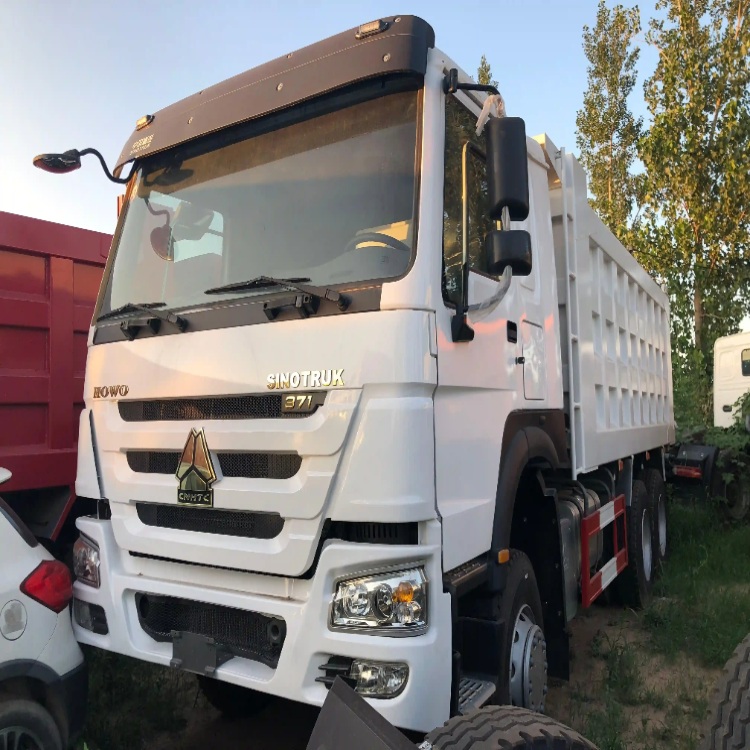
The product material gives African buyers a practical list of fields to capture. A SHACMAN F3000 example uses a WP10.380E32 engine rated at 380 hp, a MAN 7.5T front axle, a 16T MAN double-reduction drive axle, and 12R22.5 tyres. HOWO examples include WD615.47 at 371 hp, WD615.96 at 375 hp, and WP12.430E32 at 430 hp, with VGD95 front axles, HC16/AC16 double rear axles, and 12R22.5 tyres.
These are configuration examples. The VIN-linked specification sheet determines the truck being quoted. Record the engine model, power, transmission, axle combination, tyre size, emission version, cargo-box form, and body dimensions before asking for parts or service advice.
Parts numbers, technical documents, and mechanic capability
Ask whether the supplier can provide parts numbers, service information, filters, belts, hoses, and recommended initial stock for the selected configuration. Check availability with a local dealer, parts importer, or workshop in the destination country.
What to prepare for remote construction and mining sites
Remote sites need a written maintenance plan covering service intervals, consumables, tools, fault escalation, critical parts, and identification documents.
Which African Operating Conditions Should Buyers Check?
Heat, dust, unpaved roads, slopes, and long routes
Project conditions change the specification. Heat and dust increase radiator, cooling, and air-filtration checks. Unpaved routes focus attention on tyres, suspension, frame condition, and axle ratings. Slopes and long loaded routes increase brake, drivetrain, and payload checks.
Payload, axle layout, tyres, cooling, and filtration
Match the truck to the material and loading cycle. Confirm legal gross weight, payload, body volume, material density, axle ratings, and the number of loaded trips per day. The product material shows square and U-shaped cargo-box options; confirm the selected box volume, steel thickness, floor wear, hoist, and hydraulic controls for the actual job.
Country-specific emissions, age, registration, and import rules
African markets apply different rules. Confirm vehicle-age limits, emission requirements, inspection, registration, traffic-side requirements, customs valuation, and port procedures with a destination-country authority or broker. Keep those requirements in the RFQ so each supplier quotes against the same conditions.
How Should You Screen a Remanufactured Truck Supplier?
Ask for a VIN-bound inspection package
Request the VIN, configuration sheet, refurbishment scope, dated photos, walk-around video, inspection report, service records, repair list, invoice, and export documents. Ask the supplier to separate completed work from work awaiting approval. This creates a clear acceptance point before payment.
Compare the same Incoterm and delivery assumptions
Use the same Incoterm, named port, freight basis, insurance assumption, currency, and quotation validity for each candidate. Add destination duty, tax, clearance, inland haulage, registration, and initial preparation. A supplier comparison becomes useful when every line refers to the same delivery point.
For a starting point, review refurbished dump trucks and request the VIN and inspection file for each candidate.
Confirm repairs, documents, support scope, and spare parts
Ask what technical support and maintenance guidance are included in the transaction. Confirm the response channel, document package, parts list, and the party responsible for defects found before shipment. The used truck inspection service provides the inspection categories to discuss with the supplier.
Turn the Preference Into a Verifiable Purchase Decision
The purchase decision rests on a documented refurbishment scope, a workable parts plan, a destination-ready import file, and a cost that matches the project.
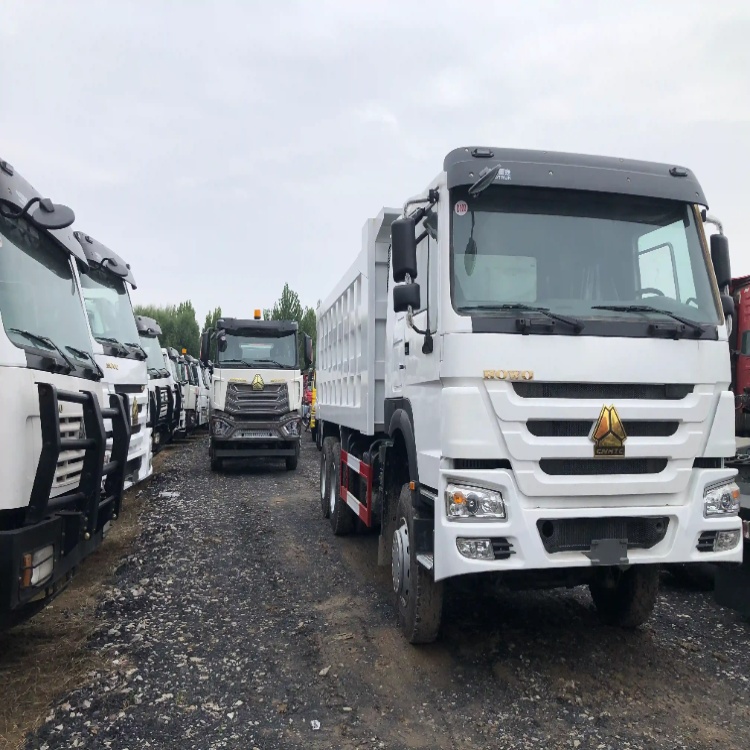
Liangshan Tuoda International Trade Co., Ltd. lists refurbished dump trucks, tractors, concrete mixer trucks, and other commercial vehicles. Its website describes inspection areas covering the exterior, interior, engine, chassis, and electrical system. Buyers can contact Liangshan Tuoda with the country, port, project type, target configuration, and required documents to request vehicle-specific information.
For Africa-focused import planning, use the guide to used dump trucks for export to Africa alongside the VIN-level inspection file. The next decision should rest on matching evidence, configuration, and destination cost.
FAQ
Q1: What is the difference between a remanufactured truck and a used truck?
A: Used describes operating history. Remanufactured describes a seller’s claimed rebuild or restoration scope. Ask for the VIN-linked work record, component findings, replacement list, tests, and remaining repairs before accepting the term.
Q2: Are remanufactured trucks suitable for African construction and mining projects?
A: Suitability depends on payload, axle layout, brakes, cooling, filtration, tyres, parts access, and destination rules. Match those fields to the route, material, climate, and loading cycle, then verify them on the selected truck.
Q3: What inspection evidence should an African buyer request?
A: Request a VIN, dated photos and video, configuration sheet, inspection report, engine and drivetrain checks, chassis and hydraulic findings, service records, repair list, and export documents. The report should identify the test date and repair responsibility.
Q4: How should buyers check HOWO or SHACMAN parts support?
A: Start with the exact engine, transmission, axle, and tyre details. Ask for parts numbers and technical information, then confirm sourcing and workshop capability with a local dealer, importer, or mechanic in the destination country.
Q5: Which import and delivery details should be confirmed before payment?
A: Confirm the named port, Incoterm, freight and insurance basis, customs and tax treatment, vehicle-age and emission rules, inspection, registration, inland haulage, document release, and the agreed list of repairs.
