


Refurbished vs Used Trucks: Uncover the Hidden TCO
The money saved at the dealership often ends up at the local repair shop. Many fleet managers grab a cheap secondhand vehicle to expand their operations quickly. Then the transmission slips on a steep mountain grade. Heavy towing bills hit the budget hard. Client deliveries get severely delayed. When looking at commercial vehicles, the sticker price is just the bare entry fee. The real financial picture takes three to five years to fully reveal itself. Comparing a standard secondhand unit to a deeply remanufactured one exposes massive gaps in long-term spending. Buying smart means looking at the total cost of ownership commercial trucks demand over their entire lifespan.
What Is the Fatal Misconception Between Used and Refurbished?
Buyers frequently mix up these two categories. A lot of people assume a quick power wash and a fresh coat of cheap paint make a truck “refurbished.” That is a dangerous and highly expensive mistake to make in the heavy-duty logistics world.
What You Actually Get with an As-Is Used Truck
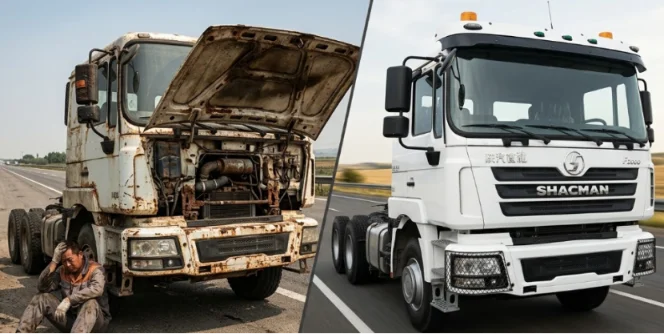
Buying as-is commercial trucks means inheriting the previous owner’s daily headaches. The engine might sound perfectly fine idling in the dealer lot. But hidden wear and tear lurks deep inside the cylinders. Worn air brake lines, fatigued suspension leaf springs, and a clutch plate ready to give out are incredibly common. You pay far less on day one. But the hidden costs of buying used semi trucks pile up within the first few months of hauling heavy freight. A cracked diesel particulate filter alone can cost thousands of dollars to replace.
The Deep Refurbishment Process Explained
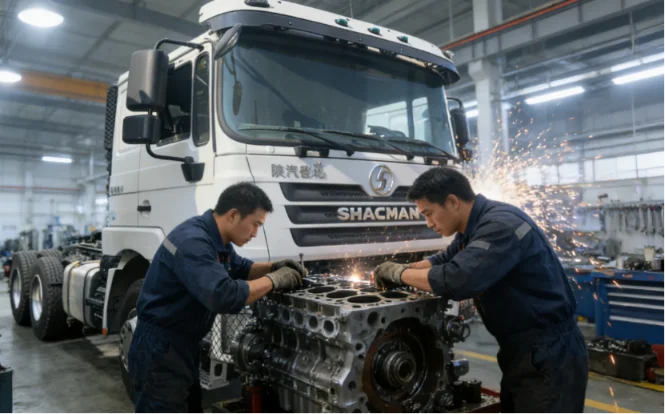
True remanufacturing strips the vehicle down to the bare metal bones. A reliable refurbished machine goes through a strict mechanical regeneration process. Expert mechanics pull apart critical engine components to check for micro-fractures. They handle heavy chassis rust removal, rewire fragile electrical systems, and swap out worn consumables like steering kingpins and fifth-wheel plates. The machine gets rebuilt to run hard for years on rough roads. It is not just polished up to look good for a quick sale.
Where Does the Real Money Go over Three to Five Years?
Tracking the cash flow of a heavy vehicle over a few years paints a very clear picture. The business expenses branch out far beyond the initial bank loan payments and monthly insurance premiums.
Initial Purchase Price vs. Financing the Risks
Standard secondhand units look amazing on a financial spreadsheet today. You spend maybe ten grand less upfront. However, financing an older, untested asset often comes with much higher bank interest rates. Lenders clearly see the high risk of a mechanical breakdown. You also need to keep a hefty cash reserve sitting in the bank for sudden roadside repairs. That idle money could have been used to hire better drivers or secure a larger warehouse lease to grow your business.
Maintenance and Repair Frequencies
This is the bleeding edge of most logistics budgets. Used heavy truck maintenance costs can easily double your monthly financial projections. An unverified older truck might need a major shop visit every single quarter. The fuel injectors fail in winter. The air conditioning compressor dies in summer. A properly restored unit typically requires only routine oil changes and basic chassis greasing for the first couple of years on the road.
Fuel Efficiency and Engine Calibration
Older diesel engines accumulate thick carbon buildup over hundreds of thousands of miles. They lose natural cylinder compression and burn much more diesel fuel per mile driven. A deep mechanical rebuild includes engine computer calibration and physically cleaning out that dark sludge. The fuel efficiency gets pushed right back toward original factory levels. On a cross-country hauling route, saving just half a mile per gallon covers a massive chunk of the vehicle’s original cost over a five-year span.
How Does Unplanned Downtime Kill Logistics Profits?
A broken truck costs your business much more than the mechanic’s hourly labor rate. The vehicle sits completely idle on the shoulder of a busy highway. You pay top dollar for emergency heavy wrecker towing. You face severe late delivery financial penalties from angry corporate clients. The driver still needs to get paid while sitting in the sleeper cab waiting for rescue. If a cheap secondhand truck breaks down twice in a busy harvest season, any initial purchase savings vanish completely into thin air. Reliable daily uptime is the only physical metric that keeps logistics contracts alive. You simply cannot build a solid business reputation on delayed freight and broken promises.
A Three-Year TCO Case Study: As-Is Used vs. Refurbished
Putting real financial numbers to the theory makes the purchasing choice completely obvious. Look at a standard long-haul operation over thirty-six months to see the real money drain.
The Raw Numbers and Projections
Buy an unverified secondhand truck, and you might save eight thousand dollars at the signing desk. By month fourteen, expect to replace a major driveline component like the turbocharger or the entire rear differential. Add the painful cost of four days of unplanned mechanical downtime. The total cash out the door heavily favors the remanufactured option by the end of year three. The restored vehicle costs slightly more at the start but flatlines the repair and downtime expenses later. It just keeps working day after day without surprises.
Why Do Emerging Markets Prefer Refurbished Trucks over New?
Brand new vehicles carry massive price tags and feature highly complex computerized electronic systems. These highly sensitive sensors often struggle with varying fuel qualities and extremely rough dirt roads in developing regions. Market data shows a huge shift toward remanufactured options in places like Africa and South America. High government import taxes make new vehicles mathematically impossible for many growing transport fleets. When looking for refurbished tractors for export, the sourcing background matters immensely. A standout example in the global market is Tuoda. They operate as one of the most reliable used truck exporters in China, focusing strictly on deep mechanical restoration rather than simple cosmetic paint touch-ups. They strip down classic, mechanically robust models, completely rebuild the engines, and heavily reinforce the chassis to handle terrible road conditions perfectly. The final result is a working vehicle offering the extreme durability of a brand new machine but priced reasonably to fit emerging market budgets. Finding a dedicated supplier like Tuoda solves the difficult balance between heavy-duty reliability and strict fleet budget constraints.
FAQ
Q1: What is the biggest hidden cost of an as-is truck?
A: Unplanned roadside downtime and emergency towing fees usually severely outweigh the standard mechanical repair bills in the first year alone.
Q2: How long does a properly rebuilt heavy vehicle last?
A: With strict routine maintenance, a thoroughly restored unit can reliably operate for another five to seven years in harsh long-haul conditions.
Q3: Do remanufactured vehicles meet modern emission standards?
A: Yes, many reliable exporters actively upgrade exhaust systems and recalibrate engine computers during the rebuild to fully comply with specific destination country regulations.
Q4: Is financing easier for a restored unit compared to a standard secondhand one?
A: Lenders very often offer better loan terms for deeply restored vehicles because the solid mechanical guarantees naturally lower the financial risk of a loan default.
Q5: Can fuel efficiency really be improved during the rebuild?
A: Absolutely. Cleaning old carbon deposits, replacing worn fuel injectors, and recalibrating the main engine computer significantly restore lost diesel fuel economy.
