


How to Choose the Right Used Dump Trucks for Construction
Choosing used dump trucks for a construction project starts with the work cycle. Define the material, payload per trip, loading method, road surface, gradient, haul distance, and daily trips. These inputs determine the truck type, axle layout, engine specification, cargo box, and tyre requirement. A purchase decision should also include inspection evidence, import rules, shipping documents, and parts planning for the destination country.
Match Used Dump Trucks to the Construction Job
A truck that works on a paved road project faces a different duty cycle from a machine hauling rock inside a quarry. Start with the route and material, then select the vehicle structure.
Define the Material, Route, and Daily Cycle
Record the material type and expected volume at the loading point. Soil, sand, aggregate, demolition material, and rock place different demands on the cargo box. Match the truck to the excavator or loader bucket so the loading cycle supports the planned number of trips.
Map soft ground, paved sections, sharp turns, bridge limits, steep grades, and the unloading area. Public-road routes give tyre condition, braking, and legal axle limits greater weight. Rough site routes place emphasis on traction, frame condition, ground clearance, and the hoist system.
Choose an On-Road, Articulated, or Rigid Dump Truck
| Construction duty | Suitable structure | Main selection fields | Evidence to request |
|---|---|---|---|
| Road works and mixed public-road hauling | On-road 6×4 or 8×4 tipper | Legal axle load, wheelbase, cargo box, tyres, brakes | Registration details, dimensions, tyre photos, brake inspection |
| Soft or uneven site roads | Articulated dump truck | Traction, articulation joint, ground clearance, operating hours | Joint inspection, service record, cold-start and driving video |
| Quarry or mine haul roads | Rigid off-road dump truck | Payload class, body condition, tyres, retarder and brakes | Machine identification, hour record, structural and tyre inspection |
Liangshan Tuoda lists refurbished dump trucks alongside other used commercial vehicles. Buyers should identify the required truck structure before reviewing available units.
Compare the Specifications That Control Productivity
Compare specifications against the same material, route, payload target, operating hours, and destination rules.
Payload, Cargo Box Volume, and Material Density
Set the payload from the project requirement and applicable road or site limits. Then match cargo box volume to the material. The quotation should state internal box dimensions, steel plate thickness, box shape, hoist arrangement, empty mass, and permitted gross mass for the specific vehicle.
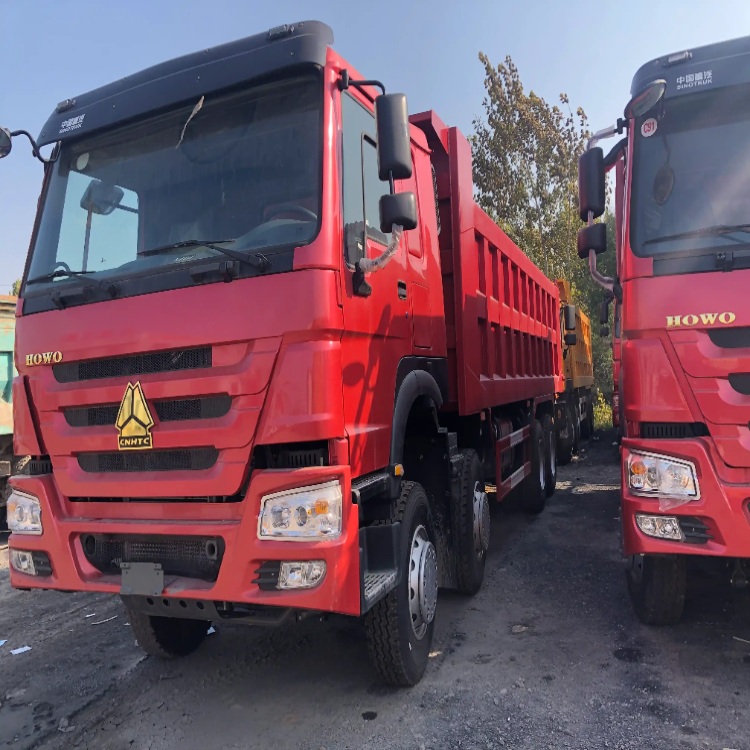
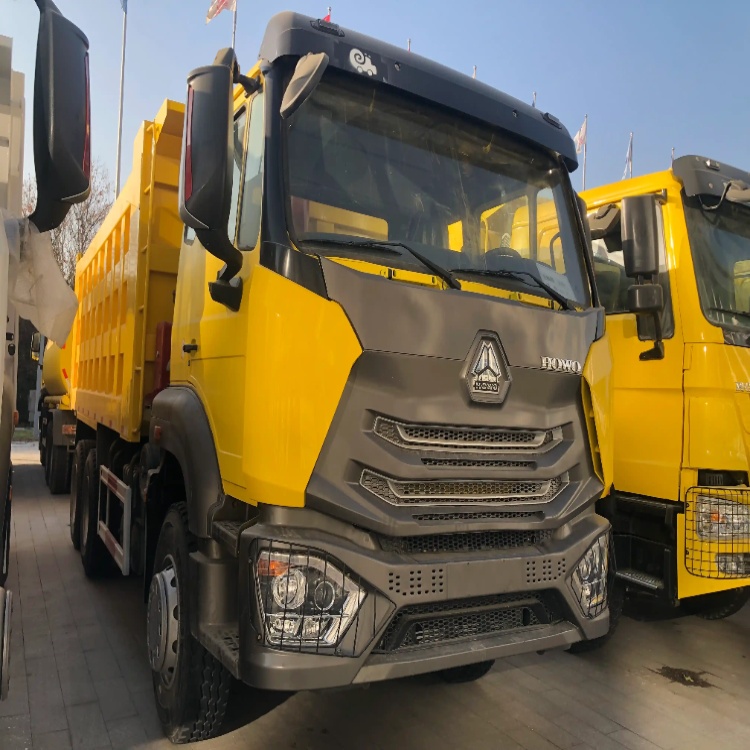
The available product material shows square and U-shaped cargo box options on SHACMAN F3000 and SINOTRUK HOWO examples. The required box form depends on the material and unloading area. Ask for current photos of the floor, side walls, tailgate, hinge points, and subframe because these areas show wear from loading and tipping cycles.
Axle Configuration, Engine Power, and Tyres
Gearbox ratios, drive axles, tyre size, gradient, payload, road surface, and engine power shape vehicle performance. Confirm each component from the vehicle plate, labels, and inspection record.
The supplied SHACMAN F3000 example uses a WP10.380E32 engine rated at 380 hp, a MAN 7.5T front axle, 16T MAN double-reduction drive axles, and 12R22.5 tyres. HOWO examples include a 371 hp WD615.47 configuration with a VGD95 front axle and HC16/AC16 double rear axles, plus 375 hp and 430 hp engine configurations. These figures describe individual examples. The sales specification should bind every figure to the offered vehicle.
Inspect a Used Dump Truck Before Purchase
An inspection package gives your mechanic and project team a shared record. Liangshan Tuoda describes checks covering the exterior, interior, engine, chassis, and electrical system. Add operating tests and identity records for the unit under review.
Engine, Transmission, Axles, and Brakes
Request a cold-start video that shows the dashboard before starting, the engine start, idle, exhaust, and instrument readings. Ask for close photos of the engine, gearbox, axles, fluid areas, and identification plates. A road or yard test should record gear engagement, steering response, braking, and unusual sound reported by the inspector.
Frame, Cargo Box, Hoist, and Hydraulic System
Inspect the chassis rails, cross-members, spring mounts, subframe, hinge points, and hydraulic cylinder. The body should rise, hold, and lower through a complete tipping cycle with an empty box. Record leakage, repairs, deformation, corrosion, and welds with dated photos and video.
Cab, Electrical System, Tyres, and Service Records
| Area | Buyer evidence | Review point |
|---|---|---|
| Cab and electrical system | Dashboard video, lights, horn, wipers, controls | Warning lamps and function of each control |
| Tyres and wheels | Tread and sidewall photos, tyre size, wheel condition | Matching sizes, damage, remaining usable condition |
| Vehicle identity | Chassis number, engine plate, registration or export record | Consistent identity across the quotation and documents |
| Maintenance history | Available service invoices, parts records, fluid change record | Dates, recorded work, and gaps requiring inspection |
| Operating test | Start, drive, brake, steer, and tip videos | Functions observed on the offered unit |
The company also publishes guidance on used dump truck export risks. Use the inspection results as acceptance fields in the purchase agreement.
Plan for Export and Operation in Developing Markets
The destination country, port, project altitude, climate, road rules, fuel specification, and workshop equipment belong in the vehicle specification.
Confirm Import Rules and Shipping Documents
Ask the importer or customs representative to confirm vehicle age limits, emissions requirements, steering position, inspection rules, taxes, and registration documents for the destination country. The seller’s document list should identify each item supplied with the truck. Match the chassis and engine identifiers across the vehicle, invoice, packing information, and export documents before shipment.
Prepare Spare Parts, Fluids, and Maintenance Support
Create a start-up parts list from the exact engine, gearbox, axle, brake, filter, belt, hose, and hydraulic components fitted to the vehicle. Record local fluid specifications and workshop capability. The used dump truck maintenance priorities article can support the first service plan after arrival.
Build a Comparable Request for Quotation
Send every supplier the same project sheet: destination country and port, material, payload target, route distance, gradient, road surface, daily trips, loading equipment, preferred axle layout, cargo box dimensions, emissions requirement, and required inspection evidence. Ask the quotation to identify the vehicle year, mileage or hours, engine, gearbox, axles, tyres, repair work, included documents, shipping term, and validity date.
This process turns used dump trucks into comparable project options. The selected truck should match the defined duty cycle and arrive with evidence that supports mechanical review, import processing, and site preparation.
About Liangshan Tuoda International Trade Co., Ltd.
Liangshan Tuoda International Trade Co., Ltd. supplies used commercial vehicles, including dump trucks, tractors, concrete mixer trucks, tank trucks, fence trucks, and truck cranes. Its dump truck material includes SHACMAN F3000 and SINOTRUK HOWO configurations with recorded engine, axle, tyre, cab, and cargo box fields.
For a project-based quotation, send the material, payload, route, gradient, destination country, port, preferred axle layout, cargo box requirement, and inspection evidence needed by your team. Contact Liangshan Tuoda to request available vehicle specifications and quotation details.
FAQ
Q1: What size used dump truck is suitable for a construction project?
A: Select the size from the required payload, material density, loading equipment, road limits, route, and daily cycle. Ask for internal cargo box dimensions, empty mass, permitted gross mass, and axle configuration for the offered vehicle.
Q2: Is a 6×4 dump truck suitable for road and infrastructure work?
A: A 6×4 configuration can serve road and infrastructure hauling when its legal axle load, traction, cargo box, brakes, tyres, and engine match the route. Confirm local road limits and the actual vehicle specification before purchase.
Q3: How should you inspect a used dump truck before export?
A: Review identity records, a cold start, drivetrain operation, brakes, steering, chassis, cargo box, hydraulic tipping cycle, electrical equipment, tyres, and available service records. Use dated photos, videos, and a written result for the offered unit.
Q4: Which documents should accompany an exported used dump truck?
A: The required documents depend on the destination country and shipping method. Ask the importer or customs representative for the current list, then match the vehicle identifiers across the invoice, packing information, export records, and vehicle plates.
Q5: How do you compare HOWO and SHACMAN used dump trucks for a project?
A: Compare specific vehicles on the same duty cycle and required configuration. The available examples cover a 380 hp SHACMAN F3000 and HOWO configurations at 371, 375, and 430 hp, with model-specific engines, axles, tyres, and cargo box options. Confirm the fitted components and condition of each offered truck.
