



Dump Truck Fleet Planning for Mining Contractors: How Many Trucks Do You Really Need?
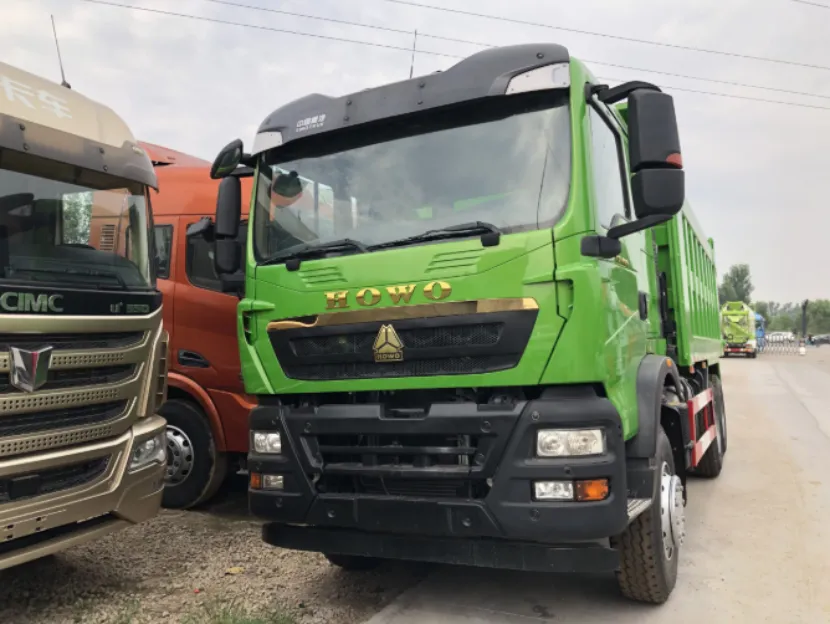
For a mining contractor, dump truck fleet planning is not just math on paper. It actually decides if your loader keeps running. It also shows if the site will hit its daily output. Plus, it stops you from leaving too much cash in idle trucks. If you buy too few units, your production slows down. Buy too many, and your fleet investment costs will eat up your profits. The best way is pretty simple. Figure out the work first. Then, match the trucks to that work.
Why Does Dump Truck Fleet Planning Start With Production Target?
A solid mining dump truck fleet starts with one clear number. You must know how much material you have to move every day. This material might be ore, waste rock, limestone, sand, gravel, or even mixed bulk stuff. If you don’t have this number, buying any truck is really just a wild guess.
Set Your Daily And Hourly Target
Let’s say your project must move 6,000 tons per day. If the site works 10 effective hours, your hourly target becomes exactly 600 tons. This specific number drives your entire plan. It also helps you avoid a truck shortage in mining operations before things get messy. Think about it. A rainy week or a bad road section can slow you down right away. There is no need to make things worse with weak planning.
How Does Haul Distance Affect Dump Truck Fleet Size?
Haul distance has a huge impact on your dump truck fleet size. A short quarry route might let one truck make several trips every hour. But, a longer uphill mining road cuts that trip number down fast. This happens even if your truck payload capacity stays exactly the same.
Check The Full Route, Not Just The Map Distance
You need to look at the loaded travel distance and the empty return distance. Also check the road grade, road surface, traffic, turning points, and dumping space. On paper, a 3 km road looks easy. But it feels very different in real life if it has steep ramps, soft ground, and narrow passing spots. That is why your haul distance calculation must use real site conditions. Never rely on just a straight-line map measurement.
What Is Dump Truck Cycle Time Calculation?
A dump truck cycle time calculation simply means adding up every single step in one full hauling round. This involves loading, loaded travel, dumping, empty return, waiting, and positioning. Here is where lots of contractors finally find the real answer to how many dump trucks do I need.
Use A Simple Site Formula
Cycle Time = Loading Time + Loaded Travel Time + Dumping Time + Empty Return Time + Waiting Time
Next, work out your trips per hour: Trips Per Hour = 60 ÷ Cycle Time In Minutes
For example, say one truck needs 30 minutes per cycle. That means it makes about 2 trips per hour. If it carries 30 tons per trip, the dump truck productivity per hour reaches about 60 tons. So, to move 600 tons per hour, you will need about 10 working trucks. This is the count before adding any standby units.
Why Is Loader And Dump Truck Matching So Important?
A big mining haulage truck planning mistake often begins right at the loading point. When the loader fills trucks too slowly, your extra trucks just wait in line doing nothing. But if you have too few trucks, the loader sits idle instead. Both of these problems will cost you money.
Match Payload With Loading Passes
You should always check the bucket size, loading time, and number of passes. Do not forget the material density and truck body capacity either. In a real working setup, your loader should fill each truck without long waiting times. Let’s say five passes take around 2.5 minutes. You must add that exact loading time to the full truck cycle time in mining operations.
Should You Add Standby Trucks?
The bare minimum number of working trucks is usually not the best number to buy. Mining sites are tough places. Tires get cut on sharp rocks. Hydraulic systems need quick checks. Drivers have to take breaks. Engines need regular service. Things break down, and it sometimes happens right before your busiest shift.
Plan A Practical Standby Truck Ratio
If you run a small fleet, one spare unit might be plenty. But for a larger heavy-duty dump truck fleet, a 10% to 15% standby truck ratio is a smart move. Having spares helps you cut down on equipment downtime. At the same time, it helps you avoid having too many idle trucks in mining projects. The main goal isn’t to own the biggest fleet out there. Your real goal is to hit your daily production target without hurting your cash flow.
Which Truck Type Fits Your Mining Site?
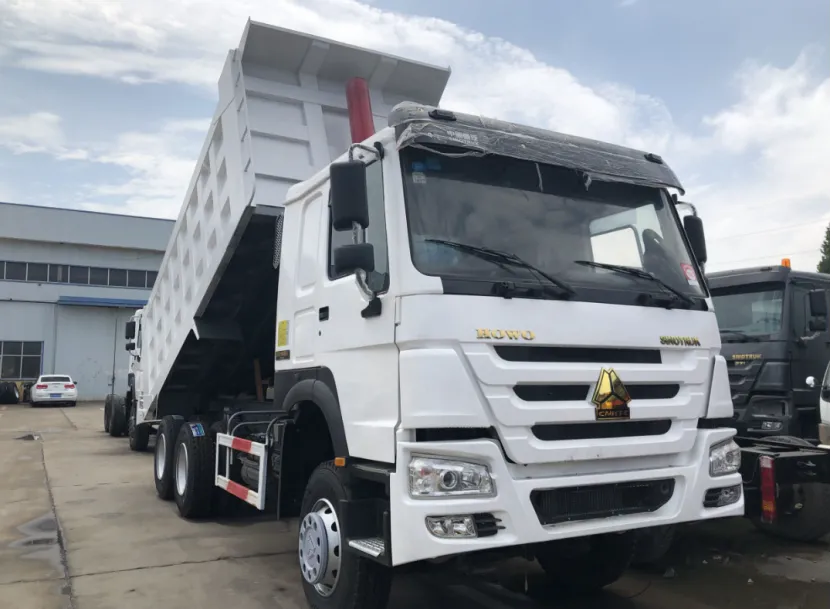
Picking the right truck depends on a few things. You have to look at payload, road width, turning space, haul distance, and your budget. A 6×4 dump truck for mining might fit smaller quarry dump truck fleet work perfectly. It is also good for road construction and medium-duty earthmoving. On the other hand, an 8×4 dump truck for mining fits jobs with higher payloads. You use these bigger trucks when every single trip needs to move a lot more material.
Consider Refurbished Trucks For Fleet Expansion
For many contractors, buying a refurbished dump truck for mining makes total sense. This is very true when a project needs several units all at once. By doing this, you can build a cost-effective dump truck fleet. It will reduce your overall mining truck fleet cost. Plus, it leaves you with more budget for tires, spare parts, drivers, and on-site service. This extra cash matters a lot on remote jobs. Out there, just one small missing part can stop a truck for an entire afternoon.
How Can Tuoda Support Your Fleet Decision?
When you look at different used dump truck for mining options, your supplier matters just as much as the truck itself. You really need clear inspection details and strong export support. You also want honest model advice and after-sales help that doesn’t just vanish after the truck ships.
Work With A Supplier That Knows Export Trucks
Tuoda is a commercial vehicle exporter based in China. They focus on used and refurbished heavy-duty trucks. Their product line includes dump trucks, tractors, mixer trucks, tank trucks, crane trucks, and other work vehicles meant for overseas buyers. But for mining contractors, the best part isn’t just their huge vehicle list. Tuoda really focuses on careful testing and evaluation.
They also handle vehicle resource selection, export rules, and solid after-sales support. All this support gives you a much safer way to pick your trucks based on haul distance, payload target, road condition, and your project budget. You can easily check out other related truck product categories there too, especially if you plan to run a mixed fleet.
What Is The Best Way To Decide The Final Fleet Size?
Always start with your core production target. Next, calculate the cycle time. After that, match up the loader properly. Then, add in your standby capacity. Finally, compare that total number with your budget and the length of your job. A short contract probably won’t need the same heavy mining dump truck investment as a long five-year site.
Use The Final Number As A Business Decision
Let’s say 10 trucks meet your basic output needs. If one standby truck keeps the shift safe, then 11 trucks is a safer bet than 10. But, if 3 trucks sit idle every single day, you are wasting your money. Good dump truck fleet planning must balance high productivity with smart capital investment. It is not just about filling your yard with big machines.
For help choosing a dump truck for mining contractors, you can contact Tuoda. Just tell them your haul distance, material type, payload target, daily working hours, and your planned fleet size.
FAQ
Q1: How Many Dump Trucks Do I Need For A Mining Project?
A: First, divide your hourly production target by the dump truck productivity per hour. After that, just add your standby trucks. Base this extra number on site risks, daily maintenance needs, and total working hours.
Q2: What Is Dump Truck Cycle Time Calculation?
A: It is simply the total time a truck spends on loading, loaded travel, dumping, empty return, waiting, and positioning. This math shows exactly how many trips one single truck can finish in an hour.
Q3: How Do You Calculate Dump Truck Fleet Size?
A: Start by figuring out the payload per trip and the trips per hour. Next, divide your required hourly tonnage by each truck’s total hourly output.
Q4: Is A Refurbished Dump Truck For Mining A Good Option?
A: Yes, it is a great choice. It works well when you need several units at once and want to control your fleet investment costs. The main secret is getting a proper inspection, clean export paperwork, and good parts support.
Q5: Should You Choose A 6×4 Dump Truck For Mining Or An 8×4 Dump Truck For Mining?
A: Pick a 6×4 model if you have flexible, medium-duty routes. But choose an 8×4 model when you really need a higher payload and the road space can safely handle a much larger truck.
