


لماذا تحظى الجرارات المُجددة بطلب كبير بين صغار المزارعين؟
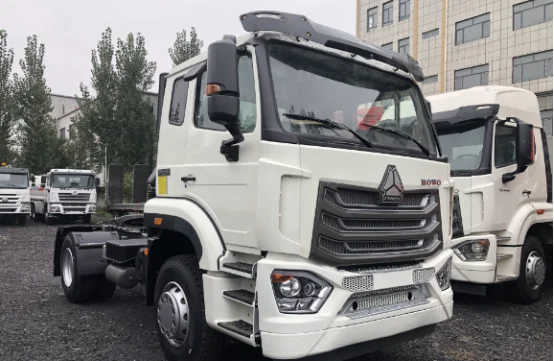
لا تستطيع المزارع الصغيرة تحمل شراء آلات رديئة. فهي تحتاج إلى قوة جيدة للجز والحفر والتحميل ونقل الأعلاف والنقل. لكن الحصول على قرض كبير لشراء آلة جديدة يستنزف المال. وتحتاج إلى هذا المال لشراء البذور والأسمدة والأسوار ودفع أجور العمال. هذا الضغط يوضح سبب ارتفاع الطلب على الجرارات المُجددة. يرى العديد من المشترين أن جرارات مجددة للمزارعين الصغار كخيار وسط ذكي. فهي تقع بين الأدوات الجديدة تمامًا والجرارات المستعملة العادية التي تُباع كما هي.
لا يكمن سر جاذبية الجرارات المُجددة في طلاءها الجديد اللامع، بل في حصولك على معدات زراعية مُخصصة لصغار المزارعين، تم فحصها وإصلاحها وتجهيزها للعمل بكفاءة. بفضل أوراقها الثبوتية، تُوفر لك الجرارات المُجددة قوةً موثوقة، وفي الوقت نفسه، لا تُكلفك الكثير من المال.
ما الذي يميز الجرار المُجدد؟
تحظى الآلة المُجددة بعناية أكبر من الآلة المستعملة العادية. مع ذلك، لا يحمل مصطلح "مُجدد" المعنى نفسه لدى جميع البائعين. لا تزال بحاجة إلى قائمة مكتوبة بالإصلاحات. يُشير دليل شراء جيد لمعدات المزارع المستعملة إلى نقطتين أساسيتين: أولاً، يمكن للجرارات أن تعمل بكفاءة لسنوات عديدة. ثانياً، يجب أن تُناسب الآلة تماماً المهمة التي تحتاجها.
عملية تجديد الجرارات
تبدأ عملية تجديد الجرار بشكل صحيح بفحص المحرك، وليس مجرد طلاء جديد. يجب على البائع اختبار تشغيل المحرك وهو بارد والاستماع لأي أصوات غريبة. كما يجب عليه البحث عن أي تسريبات للسوائل. ويحتاج أيضًا إلى فحص التروس والفرامل والتوجيه والنظام الهيدروليكي وعمل مأخذ الطاقة. وأخيرًا، يجب عليه فحص الأسلاك والإطارات وأجزاء السلامة. يجب تدوين حالة الأجزاء القديمة، سواء تم إصلاحها أو استبدالها أو تركها كما هي. قد تبدو جرارات المزارع المُصلحة نظيفة، لكن الصور لا تُظهر كيفية عمل الرافعة الهيدروليكية عند توصيل أداة ثقيلة.
الجرارات المُجددة مقابل الجرارات المستعملة
غالبًا ما تُباع الجرارات المستعملة العادية بحالتها الراهنة. أما الجرارات المُجددة، فيجب أن تُرفق بها وثائق تثبت إجراء الفحوصات والإصلاحات اللازمة. عادةً ما توفر الآلات الجديدة قطع غيار أمان أفضل وضمانًا واضحًا. مع ذلك، يصعب على المزارع الصغيرة تحمل ارتفاع سعرها وانخفاض قيمتها السريع. لذا، اسأل دائمًا عن تفاصيل التجديد، وتأكد من الجهة التي قامت به، واسأل أيضًا عن الإجراءات المتبعة في حال تعطل أي جزء تم إصلاحه مرة أخرى.
لماذا تُعتبر الجرارات المُجددة جذابة للغاية للمزارعين الصغار؟
تظهر مزايا الجرارات المُجددة عند النظر إلى ما هو أبعد من سعرها. فالآلة تُثبت جدارتها بإنجاز مهام المزرعة في الوقت المحدد. لا أحد يُحب أن يرى جرارًا لامعًا مُعطلًا في الحقل. عطل صغير خفي قد يُوقف كل جهدك.
انخفاض تكلفة الدخول وبطء الاستهلاك
الجرارات الرخيصة للمزارع الصغيرة توفر لك المزيد من المال للإنفاق اليومي، كما أنها تتجنب الانخفاض السريع في القيمة الذي يصيب الآلات الجديدة. وهذا يجعل المعدات المُجددة خيارًا ممتازًا واقتصاديًا في مجال الآلات الزراعية، شريطة أن يكون سجل إصلاحها صحيحًا، وأن يتناسب عمرها المتبقي مع احتياجاتك اليومية.
حجم عملي وتعدد استخدامات يومي
تتميز الجرارات الزراعية الصغيرة بسهولة مرورها عبر البوابات الضيقة وبين صفوف الأشجار، كما أنها تتحرك في حظائر الحيوانات والحقول الصغيرة بسهولة أكبر من الجرارات الضخمة. قد يكون الجرار المثالي قادرًا على تشغيل جزازة العشب صباحًا، ونقل علف الحيوانات بعد الغداء، ثم سحب العربة قبل غروب الشمس. ينصحك دليل اختيار الجرار المناسب بالنظر إلى مهامك اليومية وحجم مزرعتك، مع مراعاة أعمال التحميل والحفر والأدوات. كذلك، تأكد من ميزات السلامة وقطع الغيار والخطط المستقبلية قبل الشراء.
خدمات إصلاح مألوفة وقطع غيار محلية
غالباً ما يكون إصلاح الأشكال القديمة والشائعة أسهل بالنسبة للمتاجر المحلية. لكن لا تظن أن كل طراز قديم رخيص أو سهل الإصلاح. تحقق دائماً من سهولة العثور على قطع الغيار. فقدان قطعة هيدروليكية واحدة خلال موسم الزراعة قد يُكلفك الكثير، وقد تتجاوز تكلفة إصلاحها المبلغ الذي وفرته يوم الشراء.
كيف يمكنك تقييم التكلفة الحقيقية؟
جرارات مستعملة للمزارع الصغيرة تخفيف الضغط المالي. مع ذلك، فإن أرخص وحدة في البداية ليست دائمًا الخيار الأمثل على المدى الطويل. يجب أن يراعي اختيارك النهائي السعر المبدئي ومخاطر الصيانة. ضع في اعتبارك تكاليف الوقود، ورسوم النقل، والتأمين. ولا تنسَ مدة تعطل الوحدة وقيمة إعادة بيعها مستقبلًا.
حساب إجمالي تكاليف ملكية الجرار
احسب تكاليف امتلاك الجرار طوال فترة امتلاكك له. اجمع تكاليف الصيانة الأساسية، والإطارات الجديدة، والبطاريات. أضف السوائل، والإصلاحات المحتملة، ورسوم القرض. ثم، اطرح سعر إعادة البيع العادل. اقسم الناتج النهائي على عدد ساعات الاستخدام المتوقعة. لنفترض جرارًا رخيصًا. قد يحتاج إلى إصلاح سريع بتكلفة 2000 دولار، ويبقى معطلاً لخمسة أيام. هذه الخردة تكلف أكثر بكثير من جرار تم فحصه جيدًا، والذي يكلف أكثر منذ اليوم الأول.
وفّر الطاقة المناسبة للوظيفة
لا تشترِ بناءً على حجم المحرك فقط. دوّن قائمة بجميع الأدوات. لاحظ احتياجاتها من عمود إدارة الطاقة (PTO) وقوة السحب الهيدروليكي. تحقق من نوع وصلة الجر والوزن الإجمالي. ضع في اعتبارك طبيعة الأرض من حيث التضاريس والتربة. انظر إلى مساحة الدوران المتاحة لديك ورحلاتك الطويلة. تُعدّ الجرارات المستعملة للمزارع الصغيرة خيارًا ممتازًا عندما يتناسب حجمها تمامًا مع المهام المطلوبة. الطاقة الزائدة تستهلك وقودًا إضافيًا. الخمول ليس خيارًا جيدًا أبدًا.
ما الذي يجب عليك فحصه قبل الشراء؟
الصلبة قائمة فحص الجرارات المستعملة يحافظ على سلامتك. يكشف عن التآكل الواضح والمشاكل الخفية. اختبر الآلة وهي باردة إن أمكن. ثم شغّلها حتى يسخن المحرك تمامًا. اصطحب معك فنيًا متخصصًا. افعل ذلك إذا كنت لا تعرف كيفية فحص المحرك أو التروس أو النظام الهيدروليكي.
الفحوصات الميكانيكية وفحوصات السلامة
استمع جيدًا لأي أصوات طرق عالية أو اهتزاز في وضع الخمول. انتبه لبطء التشغيل. راقب دخان العادم وأضواء التحذير في لوحة العدادات. جرّب جميع التروس. اختبر قابض الفرامل وقابض القابض. تأكد من عدم وجود ارتخاء في عجلة القيادة، واختبر عمل مأخذ الطاقة. شغّل الرافعة الهيدروليكية وحرّك اللودر لأعلى ولأسفل. ابحث عن تشققات عميقة في الإطارات أو تآكل في المطاط. ابحث عن أي لحامات في الهيكل أو تسريبات للرطوبة. افحص قضبان الحماية، وحزام الأمان، وواقيات السلامة، والمصابيح الأمامية. جرّب سحب حمولة ثقيلة إذا سمح لك البائع بذلك.
السجلات والأدلة الكتابية
تأكد من تطابق الرقم التسلسلي مع الأوراق الرسمية. راجع سجلات الصيانة وساعات العمل. اقرأ فواتير الإصلاح وتحقق من وجود أي قروض بنكية مرتبطة بالآلة. اطلب تقرير التجديد الفعلي. احصل أيضًا على شروط الضمان كتابيًا. تبدأ صيانة الجرار المُجدد من يوم وصوله. دوّن المواعيد التالية لتغيير الزيت والفلاتر والشحوم وفحوصات السلامة. افعل ذلك قبل أسبوعك الزراعي الأول المزدحم.
متى يكون المورد مهماً؟
يُعدّ اختيار البائع المناسب أمرًا بالغ الأهمية، خاصةً عند الشراء من أماكن بعيدة أو عند طلب الشحن الدولي. يجب الحصول على إثباتات واضحة للحالة الصحية وأوراق مطابقة. كما يجب التأكد من إجراءات الشحن. بالإضافة إلى ذلك، يُفضّل التعامل مع شخص يُمكنه إخبارك بدقة عن الفحوصات التي أُجريت. يُوجد فرقٌ كبيرٌ بين المصطلحين: الجرار الزراعي يعمل في الأرض الترابية، بينما وحدة الجرار التجاري تسحب مقطورة على الطريق.
رابط عملي لنقل المنتجات الزراعية
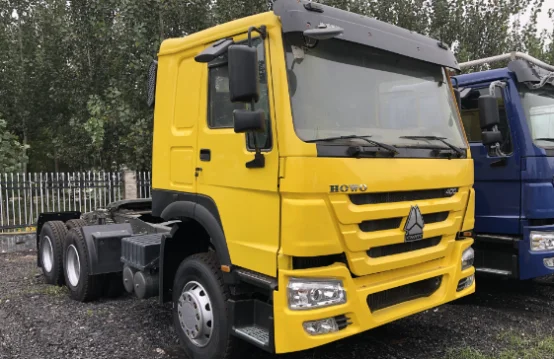
تعمل شركة تودا في مجال شحن المركبات التجارية الثقيلة المستعملة. ولهذا السبب، فإن جرارات مجددة للبيع إنها شاحنات مخصصة للسير على الطرق، وليست أدوات زراعية لحفر الأتربة. يجب أن تضع هذا الفرق في اعتبارك. يُعدّ البائع عاملاً مهماً عندما تحتاج مجموعتك الزراعية أو مشتري المواد الغذائية إلى نقل البضائع. وإذا كانت شركة النقل الريفية التابعة لك بحاجة إلى نقل المحاصيل أو الأعلاف عبر بوابة المزرعة، فإنها تُقدّم المساعدة.
بالنظر إلى تفاصيل الشركة، توودا يجدون الشاحنات، ويفحصونها، ويصلحونها، ويرتبون عملية الشحن، ويقدمون المساعدة بعد البيع. تشمل الفحوصات الموعودة فحص الهيكل الخارجي والداخلي للمقصورة، بالإضافة إلى فحص المحرك والهيكل الرئيسي وجميع الأسلاك. تضم قائمة منتجاتهم الكبيرة أنواعًا عديدة من المركبات التجارية الثقيلة. بالنسبة للمشتري من خارج البلاد، تُعد هذه العملية الواضحة مفيدة للغاية، فهي أفضل من الوعود غير المؤكدة بشأن "حالة جيدة". قد تتسبب الأوراق المفقودة وبطء حركة الشحن في تأخير وصول الشاحنة لفترة طويلة بعد الدفع.
أسئلة متكررة
س1: هل الجرارات المُجددة موثوقة لأعمال المزرعة اليومية؟
ج: نعم، يمكن أن تكون رائعة. يحدث هذا عندما تُدوّن نتائج الاختبارات والإصلاحات والتاريخ وقوائم قطع الغيار بوضوح. فالصحة الحقيقية أهم بكثير من الطلاء الجديد أو العمر.
س2: ما الفرق بين الجرارات المجددة والجرارات المستعملة؟
ج: تخضع المعدات المُجددة لاختبارات وإصلاحات دقيقة. أما المعدات المستعملة العادية، فغالباً ما تُباع كما هي، دون إصلاح الأجزاء التالفة.
س3: ما مقدار قوة المحرك التي تحتاجها مزرعة صغيرة؟
ج: وازن قوة محركك مع أثقل أدواتك. انظر إلى حمل عمود إدارة الطاقة، وقوة السحب الهيدروليكي، ومطبات الأرض، وأحمال النقل. حجم المزرعة وحده لا يُعطي إجابة آمنة.
س4: ما الذي يجب أن يتضمنه فحص الجرار المستعمل؟
أ: افحص بدء التشغيل البارد، ودخان العادم، وتسريبات السوائل. اختبر التروس، والقابض، والفرامل، والتوجيه. انظر إلى النظام الهيدروليكي، ومأخذ الطاقة، والإطارات، وأجزاء السلامة. وأخيرًا، طابق الرقم التسلسلي، وكتيبات الصيانة، والأوراق القانونية.
س5: هل يجب الشراء من تاجر أم من بائع خاص؟
ج: قد يبيعها شخص عادي بسعر أرخص. مع ذلك، يمكن للتاجر الموثوق تقديم سجلات الاختبار، وتفاصيل الإصلاح، وأوراق الشحن، أو دعم مفيد. عليك أن توازن بين المخاطرة الإجمالية، وليس فقط السعر الأرخص.
