


Concrete Mixer Truck Capacity: What Do You Really Need?
Concrete mixer truck capacity is often presented as one number. That number does not tell the whole story. A truck may have a large drum but a lower legal payload after the chassis, water, fuel, and equipment are counted. A smaller unit may fit a narrow site and complete deliveries faster.
Your choice should follow the pour size, delivery route, concrete mix, site access, and local weight rules. The sections below explain the design logic and the information to include in a request for quotation.
What Does Concrete Mixer Truck Capacity Really Mean?
Buyers usually meet three capacity terms. Each one describes a different limit.
Nominal Concrete Capacity
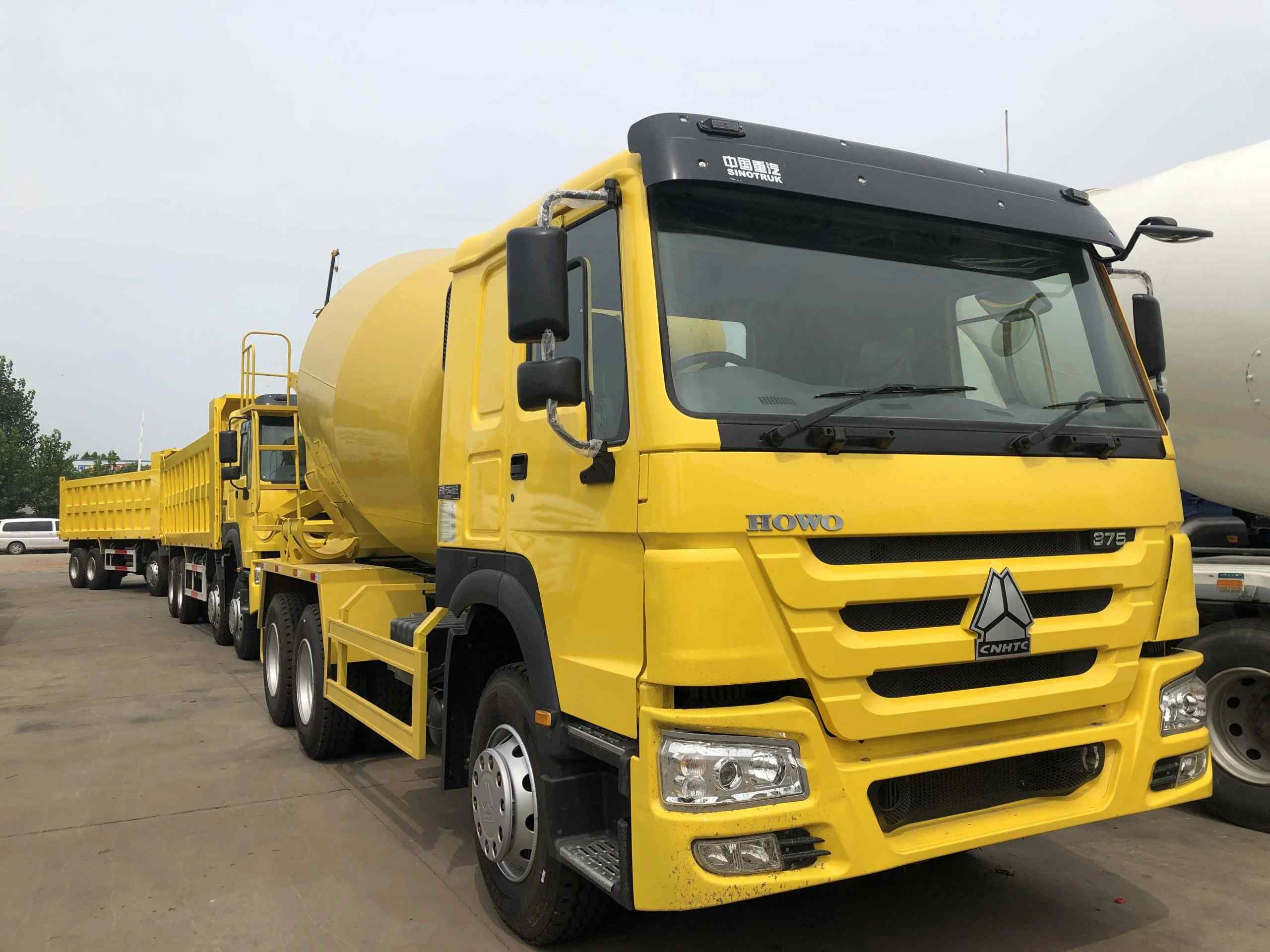
Nominal capacity is the stated amount of concrete the mixer is designed to carry. Suppliers may quote it in cubic meters (m³) or cubic yards (yd³). The figure should match a defined truck configuration, drum design, and operating condition.
Treat the quoted capacity as a working reference. The actual legal load depends on concrete density, chassis weight, axle limits, and road regulations. The mix itself also matters. A dense mix places more load on the truck than a lighter mix at the same volume.
Drum Geometric Volume
Drum geometric volume is the internal space of the drum. It is usually greater than the practical concrete load because the drum needs free space for mixing and movement. The blades must turn the material while limiting spill and keeping discharge clear.
Ask for both figures in a quotation.
Legal Payload and Axle Limits
Legal payload starts with the truck’s gross vehicle weight rating (GVW) and tare weight. Tare weight includes the chassis, drum, hydraulic system, water tank, fuel, and other installed equipment. The remaining allowance is available for concrete and operating materials.
Axle limits can reduce the usable load further. The front and rear axle loads must stay within the rules for the destination and route. A truck requires review of its complete loaded condition, including drum size, chassis weight, and axle loads.
How Much Concrete Can a Mixer Truck Carry?
Capacity depends on the chassis and the work pattern. Use the table as a planning guide, then request vehicle-specific data.
| Capacity class | Typical use case | Checks required |
|---|---|---|
| Small-volume | Repairs, small pours, narrow urban roads | Turning radius, access width, payload |
| Mid-size | Residential work and general urban projects | Axle load, delivery radius, site queue |
| Larger-volume | Continuous pours and high daily output | GVW, route permits, washout and loading space |
The largest drum is not always the most productive choice. If the truck cannot reach the site, must wait in traffic, or needs a permit for each route, extra volume may not improve output. Capacity should support the delivery cycle from loading plant to discharge point.
How Do You Choose Mixer Truck Capacity for a Project?
Start with concrete demand, route, and site constraints.
Match Capacity to Pour Size
A small residential slab may need a different truck from a bridge deck or continuous foundation pour. Write down the planned pour volume, number of loads, unloading rate, and expected waiting time. The truck should support the schedule and avoid long idle periods.
Under-sizing can increase trips and labor. Over-sizing can add weight, fuel use, turning difficulty, and unused capacity. The project schedule must be reviewed with the supplier before the final selection.
Check Delivery Distance and Time
Concrete quality depends on the time between batching, transport, and placement. Traffic, temperature, road grade, and site queues all affect that window. A large truck does not solve a delivery delay.
Your RFQ should state the plant-to-site distance, expected travel time, route surface, and number of daily deliveries. The supplier should review whether the mixer, water system, and discharge arrangement suit that cycle.
Review Site Access
Measure gate width, road width, turning radius, slope, overhead clearance, and reversing space. A large concrete mixer truck may need more room at the gate and a wider turning path at the pour location.
Discharge height and chute reach also require review. The truck must place concrete where the crew can work safely. A capacity figure has little value if the drum cannot align with the formwork or pump.
Which Truck Configuration Supports the Required Capacity?
The chassis carries the drum and determines how the loaded truck behaves on the route. Configuration should be selected with the full payload as part of the same purchase decision.
A 4×2 chassis may suit lighter loads, paved roads, and compact urban sites. A 6×4 can provide more driven-axle traction for grades, rough access roads, or heavier operating conditions. An 8×4 can support higher payload requirements where axle rules, road permits, and site access allow it.
Each configuration brings trade-offs in tare weight, turning behavior, tire cost, and maintenance. The selected chassis must meet GVW and axle limits after the drum, water, fuel, and equipment are installed.
What Parameters Should You Compare in a Concrete Mixer Truck?
Use one specification sheet for every quotation.
| Parameter | Why it matters | What to request |
|---|---|---|
| Rated concrete capacity | Sets the working load target | m³ or yd³ rating |
| Drum geometric volume | Shows internal drum size | Manufacturer data |
| Chassis GVW | Limits legal loaded weight | GVW and axle data |
| Tare weight | Determines available payload | Certified or weighbridge figure |
| Axle arrangement | Affects traction and route rules | 4×2, 6×4, 8×4 and axle loads |
| Drum speed and drive | Affects mixing and discharge control | Hydraulic system details |
| Discharge height and reach | Determines site compatibility | Dimension drawing |
| Water tank and washout | Supports cleaning workflow | Capacity and location |
The quotation should identify the measurement basis for every number. Ask whether the tare weight includes water, fuel, spare equipment, and optional fittings.
What Should a Concrete Mixer Truck RFQ Include?
An RFQ should give the supplier enough information to review capacity and compliance. Include:
-
Required concrete capacity and unit
-
Concrete density or mix range
-
Chassis configuration and steering position
-
GVW, tare weight, and axle limits
-
Drum geometric volume and drum material
-
Drum drive and control method
-
Discharge height, chute length, and reach
-
Water tank and washout arrangement
-
Overall dimensions and turning data
-
Delivery destination and road regulations
-
Inspection scope, warranty terms, and export documents
The supplier must confirm which figures are standard, optional, or subject to final engineering review. That distinction protects the buyer from comparing a base configuration with a fully equipped quotation.
How Can You Avoid Paying for Capacity You Cannot Use?
Review the actual batch size, delivery radius, route restrictions, and site space before choosing a larger mixer. A truck that regularly runs below its practical load may increase operating cost while delivering no additional output.
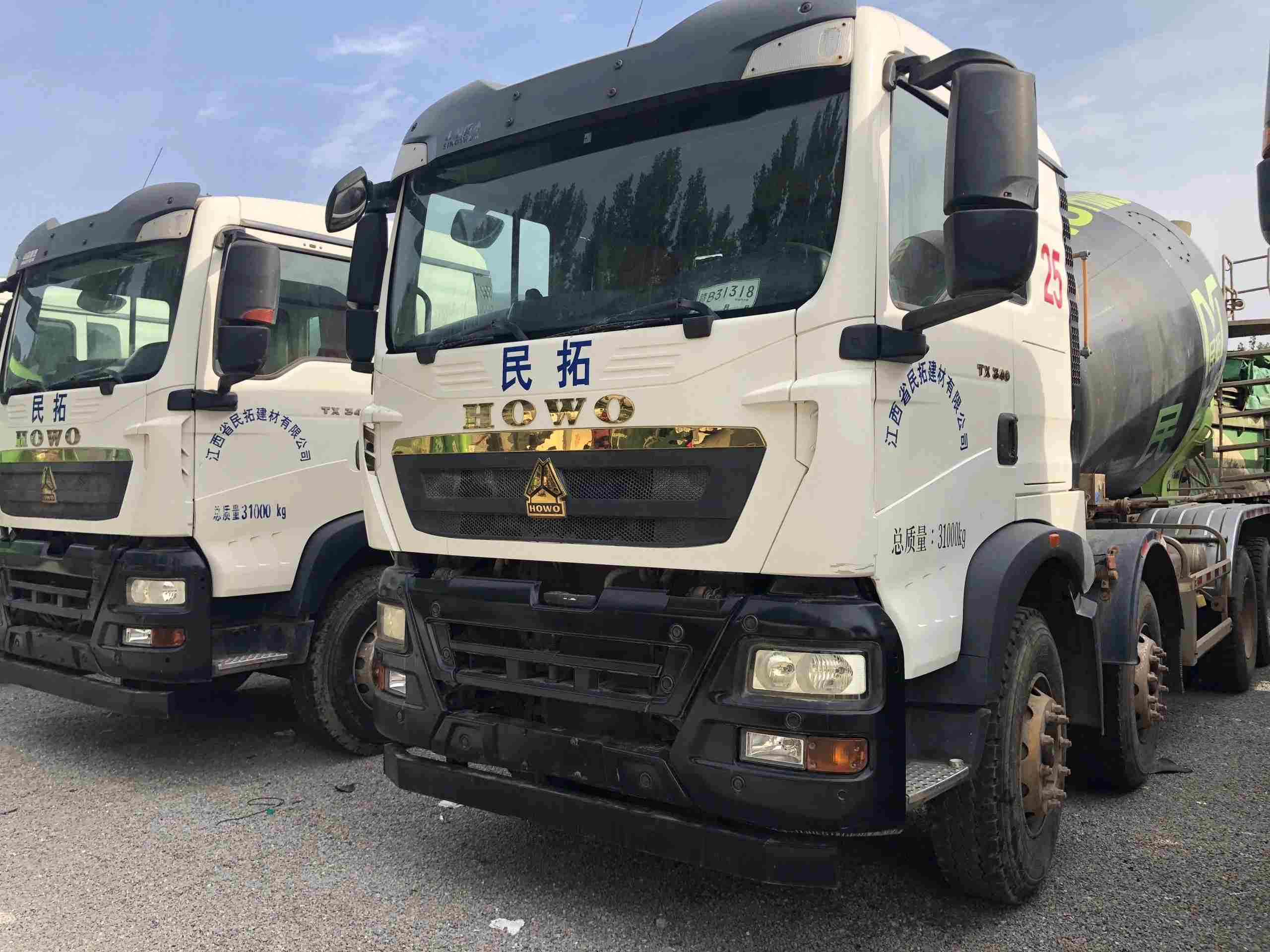
Ask for written confirmation of the drum capacity, loaded weight, dimensions, axle arrangement, and included equipment. For a used or export truck, request the VIN, inspection report, ownership documents, and loading details.
When comparing available concrete mixer truck listings, send the supplier your project volume, route, site limits, and destination rules. A clear brief makes it easier to identify a workable configuration and flag capacity limits early.
Choosing a Concrete Mixer Truck Supplier
A useful supplier response should connect the drum, chassis, payload, and route requirements. Ask for a vehicle-specific specification sheet, dimensional drawing, weight basis, inspection evidence, and export documents where applicable. ExportUsedTrucks can be included in an international sourcing review for used commercial equipment. Final selection requires review of the quoted configuration and supporting documents.
أسئلة متكررة
Q1: What is the standard capacity of a concrete mixer truck?
A: There is no single standard for every truck. Capacity depends on the drum, chassis, tare weight, GVW, axle limits, concrete density, and local regulations. Ask for a vehicle-specific nominal capacity in m³ or yd³.
Q2: How many cubic meters can a concrete mixer truck carry?
A: The answer depends on the rated configuration and legal payload. Check nominal concrete capacity, tare weight, GVW, axle data, and the density of the planned mix. Drum geometric volume alone does not confirm the legal concrete load.
Q3: What is the difference between drum volume and concrete capacity?
A: Drum volume describes the internal space of the drum. Concrete capacity describes the practical rated load. The drum needs working space for mixing, so geometric volume and rated concrete capacity should be listed separately.
Q4: How do I choose the right mixer truck capacity for a project?
A: Start with pour size, daily delivery volume, travel time, site access, route limits, and concrete density. The selected truck should fit the delivery cycle and remain within GVW and axle rules.
Q5: What should I include in a concrete mixer truck RFQ?
A: Include required capacity, mix range, chassis and axle arrangement, GVW, tare weight, drum volume, drive system, discharge dimensions, water tank, overall dimensions, destination rules, inspection scope, and export documents.
السابق: لا أحد
