


2026 Emission Standards for Used Dump Truck Importers
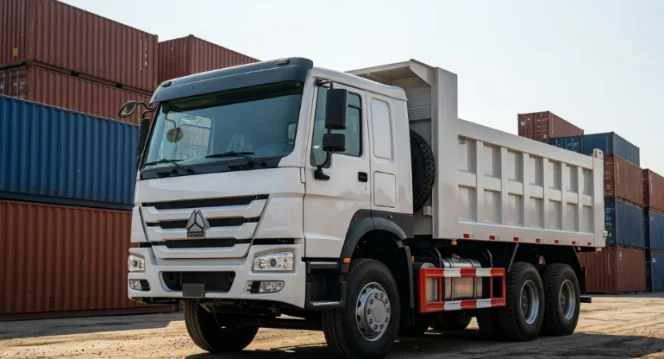
The global trade of heavy machinery is facing a massive regulatory wall this year. For a long time, contractors in emerging markets just bought older vehicles to keep project costs down. You find a cheap machine, load it on a roll-on/roll-off vessel, wait a few weeks, and put it straight to work. That easy window is closing incredibly fast.
Today, port authorities are cracking down hard. Imagine dropping fifty grand on a vehicle, paying the heavy ocean freight, and then watching your shipment get permanently seized at the destination port. This happens weekly now. The engine block simply does not meet the newly updated used dump truck emission standards. It is a nightmare scenario for any buyer. Navigating the complex web of importing dump trucks regulations is no longer just a small paperwork task. It is the single biggest financial risk you face when bringing machinery across borders. Here is exactly what is happening right now and how to protect your money.
What Are the New 2026 Emission Rules?
Many countries that historically accepted older equipment are rewriting their rulebooks from scratch. They are looking closely at both the age of the vehicle and the specific exhaust tier printed on the factory block. This shift mirrors actions taken by major environmental agencies globally. For instance, recent moves in the United States saw the EPA revoke a key 2009 greenhouse gas endangerment finding. This specific decision removed certain federal enforcement authorities to help lower acquisition costs for new internal combustion vehicles. However, they kept strict 2027 nitrogen oxide limits firmly in place, and individual states like California maintain their own aggressive clean air mandates. Many developing nations watch these complex North American policy changes closely. They realize that as wealthy countries push out older diesel equipment, emerging markets risk becoming dumping grounds for high-pollution vehicles.
Age Limits Meet Emission Tiers
Customs officials used to just look at the manufacturing year. A basic rule might say no trucks older than ten years are allowed in the country. Now, they demand absolute proof of specific exhaust tiers. A machine built in 2018 might easily pass the age test but fail the emission test if it was originally built for a region with relaxed environmental rules. This makes customs clearance for heavy machinery incredibly frustrating. You have to match the truck’s original factory specifications perfectly with your local port requirements, down to the exact engine family code. Port officials in places like Mombasa or Callao can be notoriously picky about this paperwork. If one number looks wrong, your clearance process stops dead.
Euro II vs Euro IV: Which Do You Choose?
This brings up the most common debate on job sites today. Buyers are constantly torn between the mechanical simplicity of older technology and the strict legal requirements of newer models. It is a genuine daily struggle when you operate in areas with terrible dirt roads and questionable fuel quality. You want a rig that will never break down, but you also need it to actually cross the border legally.
The Mechanical Simplicity Factor
Ask any mechanic working in a dusty open pit mine about their favorite engine setup. They will almost always pick a pure mechanical pump. There are no delicate electronic sensors to fail when the vehicle hits a massive pothole. There is no complicated computer system throwing panic error codes just because the diesel has a little bit of water mixed in it. This is the core appeal of the Euro II vs Euro IV used dump truck debate. People love the older tech because it just works in harsh conditions. You can fix it under a tree with basic hand tools.
The Compliance Factor
But here is the hard truth. Those simple mechanical engines are getting banned at borders worldwide. Upgrading to a Euro IV system means dealing with diesel exhaust fluid and highly sensitive catalytic converters. You need cleaner fuel and better-trained mechanics to keep them running smoothly. It is a massive headache for fleet managers who are used to simple fixes. However, adapting to this modern technology is the only way to meet strict emission compliance for export trucks in an increasing number of countries.
How Much Does Non-Compliance Actually Cost?
Ignoring these rules is a fast way to go bankrupt. Some buyers still try their luck, hoping customs agents will just wave the shipment through for a small fee under the table. That risky strategy worked a decade ago. It does not work in 2026. Ports are digitized, and agents cross-reference engine serial numbers directly with global factory databases on their tablets.
Seizures and Port Fines
If your paperwork shows a mismatch, the penalties are brutal. The port authority will stop the vehicle immediately. Daily storage fees rack up unbelievably fast. A typical port might charge a hundred dollars a day while you scramble to call brokers and figure things out. After a month, those fees eat up your entire profit margin. Sometimes, officials will demand you pay out of pocket to ship the non-compliant heavy-duty used tipper trucks back to the origin country. That completely wipes out any money you thought you saved. You simply cannot afford to guess your local import laws.
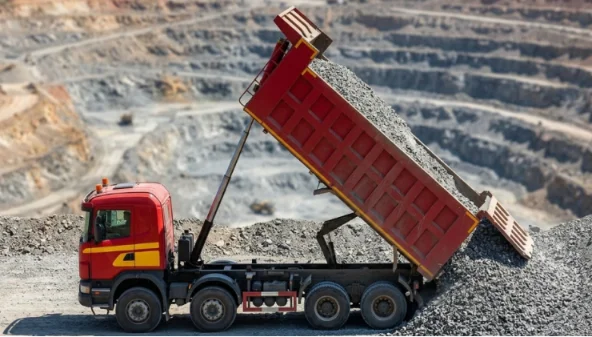
Can Refurbished Trucks Solve the Compliance Puzzle?
Finding the sweet spot between a tough, reliable machine and a fully legal import seems impossible. Buying brand new is just too expensive for most projects. Taking a chance on a random used lot is too risky. This is where the specialized refurbishment market completely changes the equation for overseas buyers who want peace of mind.
The Tuoda Advantage
If you want to buy used dump trucks from China without the border headaches, you need a partner who builds compliance directly into the vehicle. Tuoda stands out as a serious engineering force in this space. They do not just wash old vehicles and park them on a dirt lot. Their facility strips machines down and rebuilds them to match exact destination requirements. When you source directly from Tuoda, you are dealing with seasoned professionals who analyze your local port rules before the first wrench is ever turned. They calibrate the powertrain to hit the exact emission sweet spot your customs office demands. If you need a fully compliant Euro IV setup with robust sensors, they build it. If your region still accepts Euro II and you need raw mechanical power, they verify the legal pathways and provide a legally matching unit. You can view their exact build standards directly on their . It is a completely stress-free procurement process.
Certified Emission Matching
Professional refurbishment means you get rock-solid documentation. The engine block matches the paperwork perfectly. Customs agents see the verifiable testing records and process the shipment without delays. When you select specific vehicles from a trusted inventory of , you eliminate the gambling aspect of importing. This high level of transparency and mechanical restoration makes refurbished Chinese dump trucks the absolute safest bet for international procurement right now. You get the rugged performance your job site demands, with zero stress at the border.
FAQ
Q1: What happens if my truck fails the emission check at the port?
A: The port authority will typically impound the vehicle immediately. You will face heavy daily storage fees and might be legally forced to ship the unit back to the country of origin entirely at your own expense.
Q2: Is a Euro II engine completely banned everywhere?
A: No, some regions still permit them. But the list of countries accepting them shrinks every few months. You must check with your local import broker for the exact rules updated this specific quarter.
Q3: Do modern Euro IV systems break down more easily on rough sites?
A: They are more sensitive to bad fuel and heavy dust because of their electronic sensors. However, a properly restored unit with heavy-duty filters can handle rough sites very well if basic maintenance routines are followed.
Q4: How do I verify the emission tier of a used vehicle before buying?
A: You should request clear, close-up photos of the original engine nameplate and cross-reference the serial number with the manufacturer. Never rely purely on a salesperson’s verbal promise.
Q5: Can you upgrade an older truck to meet new regulations?
A: It is technically possible to retrofit exhaust systems, but it is usually incredibly expensive and highly prone to failure. Buying a vehicle already built for the correct standard is a much safer financial move.
