


Choose SHACMAN Tractor Horsepower: 380HP vs 430HP Guide
Buying a second-hand commercial vehicle is a massive financial move for your fleet. You sit there looking at the spec sheets and it gets confusing fast. Sometimes the paperwork all looks exactly the same. A lot of buyers just pick the biggest engine they can afford and call it a day. That is a costly mistake. If you pick a massive engine for a flat run, you just burn diesel for fun. If you pick a weak engine for heavy loads on steep dirt hills, the engine will overheat and leave your driver stranded on the side of the road.
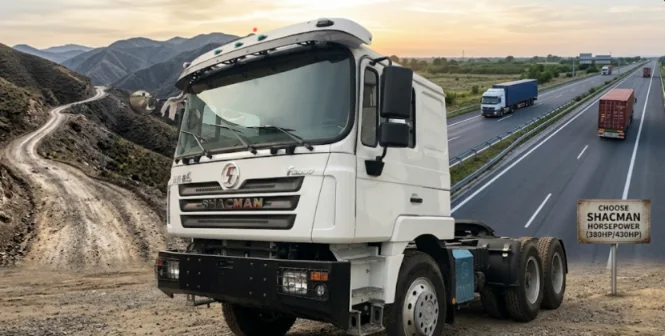
When you choose SHACMAN tractor horsepower, the decision comes down to matching the truck exactly to your daily jobs. This breakdown will show you the exact difference between the SHACMAN 380HP vs 430HP. You will see how cargo weight and geography actually dictate the best engine size for your next used SHACMAN tractor. It is all about the math of daily driving.
Why Choosing the Right Horsepower Matters for TCO
Total cost of ownership (TCO) is the only metric that actually matters in heavy-duty transport. Getting the right engine horsepower for tractor head units directly impacts your weekly diesel bills and your monthly mechanic invoices. An engine working too hard wears out pistons and burns oil rapidly. On the flip side, an engine that is too big costs more money upfront and drinks extra fuel on every single trip. You pay for the truck once, but you pay for diesel every single day. You have to balance the power output with the actual pavement your drivers roll on every day.
When to Choose the Used SHACMAN 380HP Tractor Truck
Fleet managers sometimes think more power is always the answer. But the 380HP engine is actually a huge money maker if your dispatch routes fit a specific profile. It gives you plenty of pulling force without that extra thirst for fuel at the pump.
Ideal Route: Flat Highways and Good Road Conditions
If your trucks spend their days on paved highways with very few steep grades, the 380HP model does the job beautifully. Think about the standard logistics routes running from ports to inland cities on well-maintained asphalt in places like Tanzania. The engine does not struggle on flat ground at all. You avoid paying for power that just sits idle under the cab. Drivers can cruise in top gear for hours without touching the shifter, which saves a lot of wear on the clutch.
Cargo Weight: Standard Loads Around 50 Tons GVW
Hauling standard shipping containers or flatbed trailers usually keeps you within normal legal limits. Staying around a 50-tonne gross vehicle weight (GVW) is totally normal for this engine type. A 380HP truck handles this standard weight and good road condition with zero drama. The truck reaches its cruising speed easily. It stays at that speed without putting extra stress on the transmission or the cooling system.
The Core Advantage: Lower Fuel Consumption per 100km
Fuel prices eat into your profit margins every single day. Field data from actual transport routes shows a clear winner here. Hauling 50 tons on flat routes, a 380HP engine saves about 4 liters of fuel compared to the larger engine options. Lower fuel consumption per 100km adds up to thousands of dollars saved over a year of daily driving. The initial purchase price for this model is also noticeably lower at the dealership, helping you turn a profit much faster.
When to Upgrade to the Used SHACMAN 430HP Tractor Truck
Sometimes you absolutely need that extra muscle under the cab. Pushing a smaller engine beyond its physical limits in tough environments leads to disastrous repair bills. Mechanics in the yard always say you buy the truck for the hardest part of your route. Upgrading to a 430HP model is the smart move when the local geography fights against your delivery schedule.
Ideal Route: Mountain Road Conditions and Continuous Uphill Climbs
Driving through regions like Peru, Angola, or the DRC means your drivers face steep dirt roads and crazy elevations. These mountain road conditions demand an engine that will not lose momentum halfway up a hill. The 430HP engine handles continuous uphill climbs without breaking a sweat. Your driver can actually complete a full ramp start on a steep incline without stalling out and rolling backward.
Cargo Weight: Heavy-Duty Transport Needs
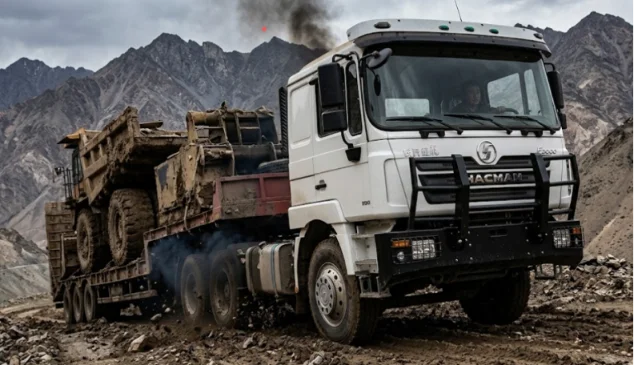
Carrying oversized machinery, raw timber, or dense mining materials pushes your truck to the absolute limit. A larger engine gives you the low speed and high torque required to move massive dead weight from a dead stop. This is exactly where the bigger engine shines. It has the pure grunt to pull heavy trailers out of muddy job sites and up into the mountains safely.
The Core Advantage: Mountain Fuel Economy and Safety
It sounds a bit backward, but a bigger engine actually saves fuel in the mountains. Because it does not have to scream at maximum RPM just to climb a hill, a 430HP truck can keep fuel consumption around 40L to 45L per 100km on very steep routes. It operates comfortably inside its economic RPM range. A larger engine also provides much stronger engine braking on those scary long downhills. That keeps the service brakes cool and keeps your drivers alive.
What Makes Tuoda a Reliable Choice for Refurbished Trucks
Buying second-hand machinery often feels like a gamble if you do not know the history of the truck. Sourcing your fleet from a reliable used truck exporter like Tuoda takes the headache out of the process completely. Their team does not just wash the dirt off and paint the wheels. Tuoda runs a serious mechanical operation. Their mechanics tear down the engines, inspect the core components, reinforce the chassis, and run heavy tests on the transmissions.
They make sure the engine puts out the exact correct horsepower before it ever reaches the shipping port. It does not matter if you order a 380HP or 430HP model. Every single refurbished SHACMAN truck leaves their facility ready to work on day one. You get access to a large inventory of certified trucks. The engineering team at Tuoda also sits down to help you match the exact truck specifications to your local road conditions. This stops you from buying the wrong machine for your specific routes.
Maswali ya kawaida
Q1: Can a 380HP tractor truck pull a 60-ton load?
A: It can physically pull it on a flat paved road but doing this every day will destroy the transmission and engine. You really need the 430HP model for loads consistently over 50 tons.
Q2: Which horsepower option offers better fuel economy?
A: It depends strictly on your daily route. The 380HP is much more fuel-efficient on flat highways. The 430HP actually saves fuel in mountain road conditions because it runs at lower RPMs on the tough climbs.
Q3: Is maintenance significantly more expensive for a 430HP engine?
A: Parts for larger engines do cost slightly more upfront. However, if you force a 380HP engine to climb steep mountains every day, your repair bills will be massive due to constant engine strain and overheating.
Q4: Do refurbished SHACMAN trucks have the exact same power as new ones?
A: Yes, if they are rebuilt correctly by professionals. A proper engine overhaul restores the engine compression and fuel delivery systems back to original factory standards.
Q5: How do you know which horsepower your current route requires?
A: Look at your steepest daily inclines and your average cargo weight. If your drivers constantly shift down to crawl up hills at low speeds, you definitely need the 430HP model.
