


Общие риски при покупке подержанных свалов для экспорта в 2026 году и как их избежать
Для многих экспортных покупателей подержанных грузовиков самые большие потери в 2026 году произойдут не из-за «неудачи». Они произойдут из-за предсказуемых пробелов в проверке. Фотографии выглядят чисто, продавец обещает быструю доставку, а цена покупки кажется привлекательной. Затем грузовик приходит поздно, нуждается в незапланированном ремонте или застрял в бумагах.
В этом руководстве основное внимание уделяется наиболее распространенным рискам покупки подержанных самосвалов для экспорта и практическим проверкам, которые их предотвращают. Цель - не запугать вас от покупка подержанных самосвалов для экспорта, но чтобы помочь вам контролировать факторы экспортных затрат и защитить общую стоимость высадки при закупке подержанных свалов 2026 года.
Сосредоточение внимания на покупной цене вместо общей стоимости посадки
Первая ошибка заключается в том, что покупная цена рассматривается как «реальная» цена. В экспортных проектах покупная цена составляет только одну строку внутри общей стоимости высадки. Самосвалы добавляют еще одну ловушку: гидравлический и конструктивный ремонт может быть дорогим после прибытия, особенно когда детали и рабочая сила ограничены.
Как его избежать
-
Спросите котировку, которая отделяет основные факторы экспортных затрат: внутренний транспорт в порт, морские грузы, страхование, портовая обработка, таможенное оформление и любые необходимые переработки перед отправкой.
-
Подтвердите, что не включено. «Низкая котировка» часто исключает ремонт до отгрузки, замену шин или обработку документации.
-
Создайте простую таблицу стоимости посадки перед переговорами. Если готовность к доставке неясна, рассматривайте эту неопределенность как стоимость.
Игнорирование конструктивной усталости и напряжения рамы на подержанных самосвалах
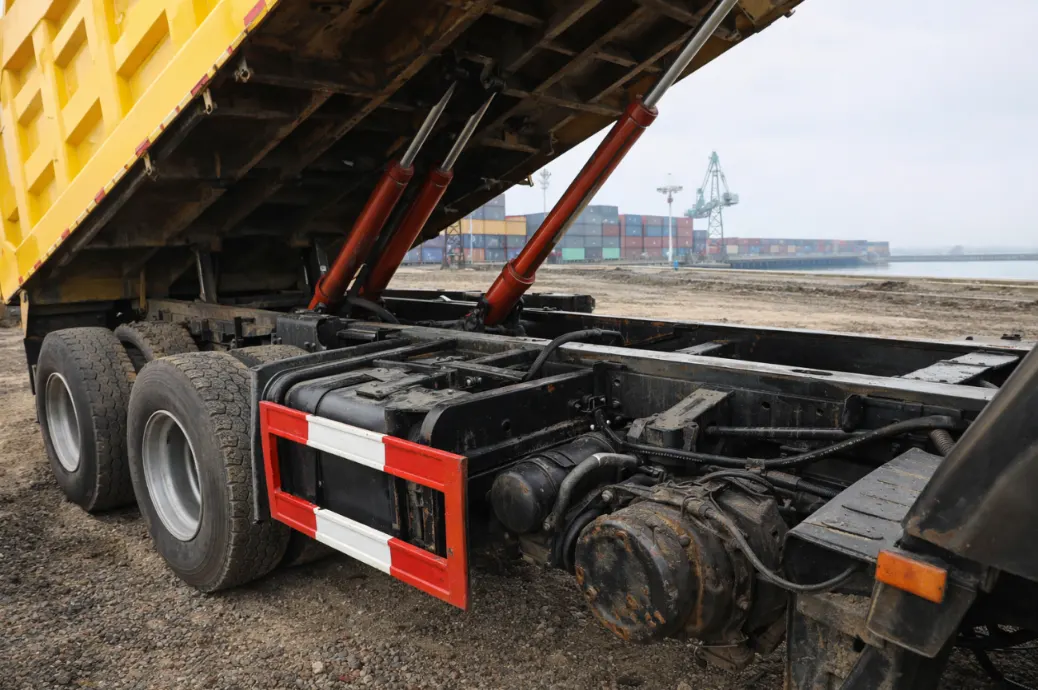
Самосвалы могут выглядеть хорошо, неся скрытый структурный риск. Напряжение рамы накапливается в результате перегрузки, плохих дорог и повторной ударной нагрузки. Сварные знаки, армирующие пластины или неравномерная деформация могут сигнализировать о предыдущих повреждениях или тяжелой усталости. Вот почему состояние используемого самосвала должно оцениваться как рабочая машина, а не как предмет выставочного зала.
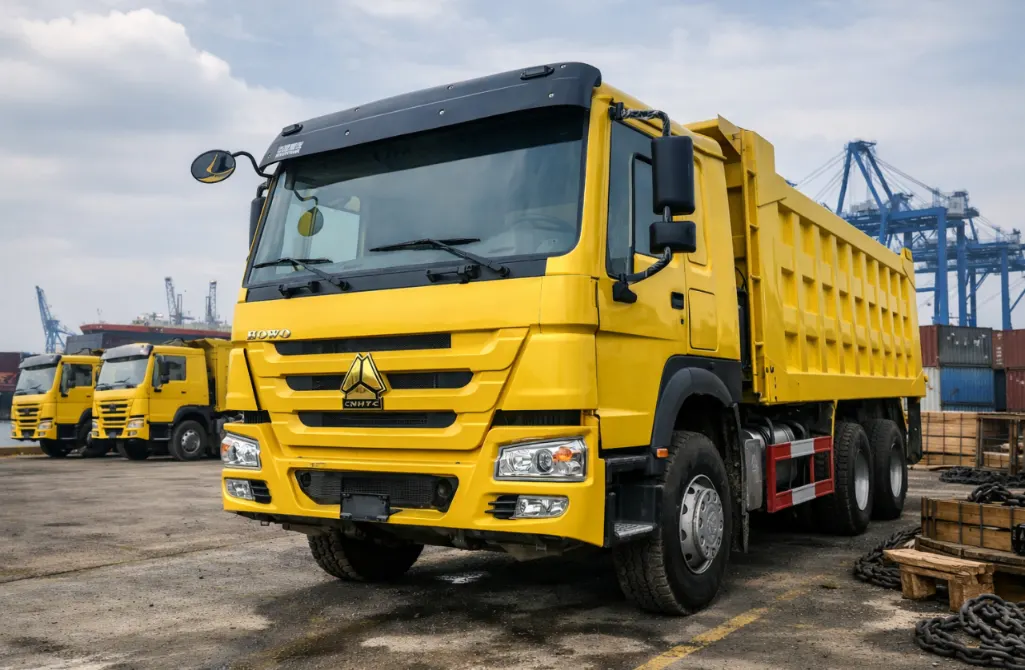
Этот риск особенно распространен в конфигурациях с высоким использованием, таких как используемые 6× 4 самосвала для экспорта, а также в использованных тяжелых самосвалах HOWO для экспорта, которые провели годы в тяжелых циклах перевозки. Бренд или привод - это не проблема. Проблема в том, что выжил грузовик и может ли эта история быть проверена.
Как его избежать
-
Запросите фотографии и видео с близким планом о рамовых рельсах, перекрестных элементах, точках монтажа подвески и областях вокруг креплений корпуса свалки.
-
Ищите признаки конструктивного повреждения: свежая краска только на определенных секциях, непоследовательные сварные линии, трещины вблизи точек напряжения или неправильное выравнивание.
-
Если возможно, включите структурную проверку третьей стороны в рамках процесса покупки, особенно когда требования к полезной нагрузке высоки.
Неоценка расходов на износ и ремонт гидравлической системы
Система сброса – это то, где «малые проблемы» превращаются в большие счета. Усталый свал грузовика гидравлическая система все еще может поднять пустую кровать, но отказаться при реальной нагрузке. Утечки, медленная скорость подъема, дрейф цилиндра, перегрев или нестабильное поведение подъема могут означать простоя и дорогие ремонтные работы. Многие покупатели сосредоточаются на производительности двигателя и забывают, что система сброса является центром прибыли.
Как его избежать
-
Рассматривайте гидравлику в качестве приоритета при проверке подержанных свалов, а не в качестве последующей мысли.
-
Спросите видео теста на лифт. Если испытание на нагрузку невозможно, запросите повторное испытание цикла подъема с четкой видимостью движения цилиндра, звука насоса и точек утечки.
-
Проверьте шланги, уплотнения, площадь насоса и состояние гидравлического резервуара. Чистый не означает здоровый. Доказательства и тесты важнее внешнего вида.
Пропуская надлежащую проверку перед экспортом
Пропуск проверки является одним из самых дорогих сокращений. Экспортные покупатели часто полагаются на фотографии и короткое видео продавца, а затем обнаруживают проблемы, которые были бы очевидны с базовым контрольным списком. Правильная проверка до отгрузки уменьшает неприятные сюрпризы и улучшает ясность переговоров.
Как его избежать
-
Используйте минимальный контрольный список проверки использованных самосвалов, который охватывает: поведение холодного запуска, тормозную реакцию, игру руля, испытание гидравлического подъема, проверку рамы и подвески, баланс износа шин и видимые утечки.
-
Спросите коды ошибок, если они доступны. Даже простые диагностические проверки могут выявить повторяющиеся проблемы.
-
Требуйте доказательства в рамках сделки: видео холодного запуска, сегмент испытательного движения, фотографии подвоза и близкие планы известных точек износа.
Игнорирование рисков документации и экспортного соблюдения
Механические проблемы стоят денег. Проблемы документации требуют времени и денег. Когда экспортная документация неполная или несоответствующая, отгрузки могут задержаться, а сборы за хранение могут быстро начисляться. Одним из наиболее распространенных факторов является отсутствие или неправильная проверка VIN или несоответствие между VIN, номером двигателя и документацией.
Как его избежать
-
Проверьте VIN и номер двигателя рано, прежде чем заблокировать график доставки.
-
Заранее запросите сканированные копии ключевых документов и подтвердите, что они соответствуют физическим идентификаторам на грузовике.
-
Уясните, кто отвечает за подготовку экспортных документов и сколько времени обычно занимает этот процесс.

Выбор «как есть» блоков без учета местных ремонтных мощностей
«Как есть» может быть умным выбором, когда у вас есть надежная местная механика, доступ к деталям и гибкость времени. Но для многих экспортных покупателей стоимость простоя выше, чем стоимость выполнения целевой работы перед отправкой. Вот где отремонтированные свалы может обеспечить лучшее предсказуемость, чем как-используется самосвалы.
Это решение имеет еще большее значение для покупателей, закупающих подержанные самосвалы HOWO для экспорта на рынки, где гидравлический ремонт, тормозные работы или детали привода могут занять время. Дело не в бренд-специфике. Это специфично для мощностей: может ли ваша местная команда быстро диагностировать и ремонтировать после прибытия, и может ли ваш проект поглощать задержки?
Как его избежать
-
Решите «как есть против отремонтированного» на основе ремонтной мощности места назначения и риска простоя, а не только покупной цены.
-
Если вы выбираете ремонт, четко определите сферу действия. Целевые системы с высоким ударом: гидравлика, тормоза, рулевое управление, охлаждение и критические компоненты износа.
-
Спросите доказательства ремонта: записки об инспекции, фотографии до и после, и подтверждение того, что было заменено против того, что было только скорректировано.
Если вы оцениваете отремонтированные варианты, просмотрите кураторский список отремонтированные самосвалы для экспорта может помочь вам сравнить охват и готовность более эффективно.
Полагаясь на продавцов, у которых нет опыта экспорта
Не каждый продавец подержанных грузовиков понимает экспортное исполнение. Продавец может иметь инвентарные запасы, но все же не справляется с координацией доставки, сроками документации и готовностью к экспорту. Этот разрыв часто становится вашей проблемой в виде задержек, неожиданных сборов и переработки в последнюю минуту. Опыт экспорта имеет значение, потому что он уменьшает трение по всей транзакции.
Как его избежать
-
Задайте конкретные вопросы: типичные сроки экспорта, процесс обработки документов, варианты метода доставки и что означает «готов к экспорту» на практике.
-
Предпочитайте продавцов, которые могут предоставить последовательные пакеты доказательств и которые понимают требования подержанных самосвалов для экспорта.
-
Подтвердите скорость связи. Экспортные проекты проваливаются, когда обновления прекращаются и приближаются крайние сроки.
Как экспортные покупатели могут снизить риски при покупке подержанных свалов в 2026 году
Основные риски покупки подержанных свалов в 2026 году не загадочны. Они повторяются: сосредоточение внимания на цене покупки вместо общей стоимости посадки, игнорирование напряжения рамы, недооценка гидравлического износа, пропуск проверки, игнорирование документов, выбор «как есть» без планирования ремонтных мощностей и работа с продавцами, у которых нет экспортной дисциплины.
Если вы проверяете состояние с помощью доказательств, рано подтверждаете документы и строите котировки вокруг готовности к экспорту, покупка подержанных самосвалов для экспорта становится гораздо более предсказуемой, даже когда рынок меняется.
Практический экспортный партнер для подержанных самосвалов в 2026 году
Liangshan Tuoda International Trade Co., Ltd. («Туода») фокусируется на экспорте подержанных самосвалов, тракторов и других тяжелых коммерческих транспортных средств на зарубежные рынки. Основываясь в Ляншане, крупном центре циркуляции и ремонта, Tuoda источники близки к инвентаризации, а не полагаются на несколько слоев брокеров. Наиболее важным для экспортных покупателей является контроль процесса, и Tuoda подчеркивает проверку до отгрузки: проверку механического состояния, обзор структурной целостности, готовность документации и осуществимость отгрузки. Для покупателей, которые предпочитают отремонтированные блоки, Tuoda отдает приоритет целевому восстановлению, связанному с реальными эксплуатационными рисками, с целью уменьшения простоев и неожиданностей по ремонту после прибытия вместо косметической работы. От выбора модели и координации инспекции до экспортной бумажной работы и планирования логистики, Tuoda поддерживает подрядчиков, операторов парка и дилеров, которые заботятся о предсказуемой доставке и контролируемых затрат
Часто задаваемые вопросы
Q1: Каковы самые большие риски покупки подержанных самосвалов для экспорта в 2026 году?
О: Самые большие риски - скрытая конструктивная усталость, износ гидравлической системы, пропущенный осмотр, неполная экспортная документация и недооценка общей стоимости посадки.
Q2: Что должен включать проверочный список подержанного самосвала перед отправкой?
О: Контрольный список проверки использованных самосвалов должен охватывать точки напряжения рамы, испытание гидравлического подъема, тормоза и ответ на рулевое управление, проверки утечки, поведение холодного запуска и соответствие документации через проверку VIN.
Q3: Почему общая стоимость земли более важна, чем цена покупки для экспортных покупателей?
О: Общая стоимость высадки включает в себя факторы экспортных затрат, такие как транспорт, страхование, портовая обработка, таможенное оформление и ремонт после прибытия, которые могут перевешивать низкую покупную цену.
Q4: Когда отремонтированные самосвалы имеют больше смысла, чем используемые самосвалы?
Ответ: Ремонтированные самосвалы часто лучше, когда риск простоя высок или местные ремонтные мощности ограничены, потому что целевой ремонт снижает риск серьезных сбоев после прибытия.
Q5: Могут ли покупатели упомянуть ключевые слова, ориентированные на модель, такие как использованные самосвалы HOWO для экспорта или использованные 6× 4 самосвала для экспорта в оценке риска?
О: Да, но рассматривайте их как сценарии условий. Ключом является проверка состояния подержанного самосвала, гидравлики, документации и готовности к экспорту, независимо от марки или привода.
