


Покупка подержанных самосвалов и тракторов в 2026 году: ценовые тенденции, риски и факторы экспортных издержек
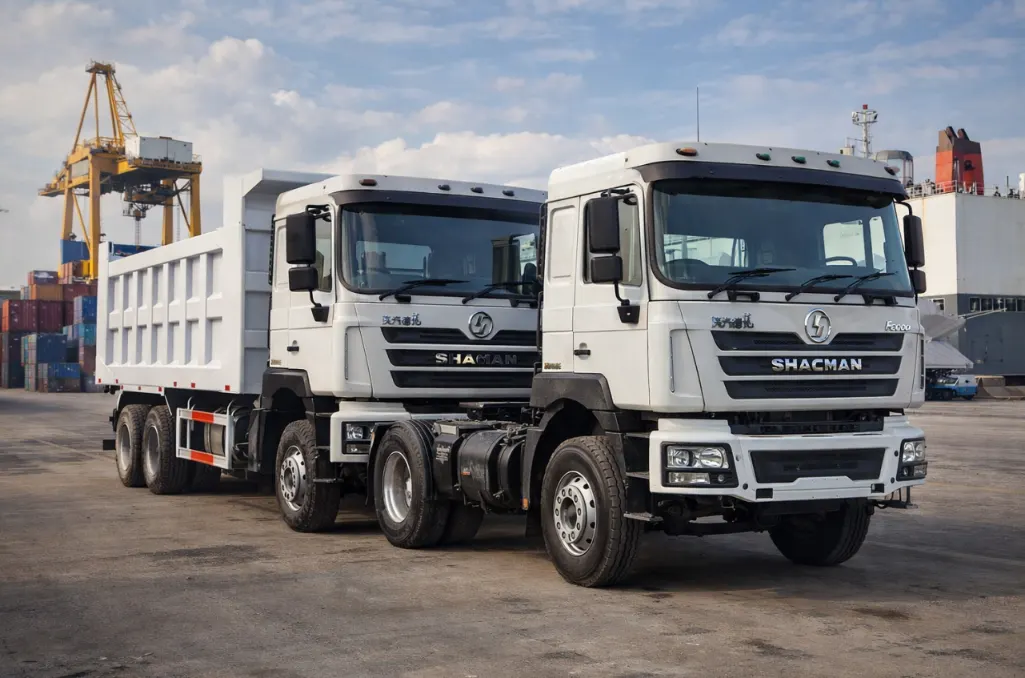
В 2026 году дело не в том, чтобы угадать одну «правильную цену». Для большинства экспортных покупателей подержанных грузовиков победа проще: контролировать риск, контролировать сроки и контролировать общую стоимость посадки. Если вы закупаете подержанные самосвалы и тракторные грузовики 2026 года для строительных грузов или дальних перевозок, разница между беспрепятственной доставкой и дорогим сюрпризом обычно сводится к прозрачности условий, готовности к экспорту и тому, как построена котировка, а не номер заголовка.
Почему самосвалы и тракторные грузовики остаются ядром экспортного рынка подержанных грузовиков 2026 года
Самосвалы и тракторные грузовики остаются основной частью тяжелых работ, потому что их трудно заменить на более легкие типы. Подержанные свалы сохраняют свое место в грязи. Они подходят для перевозки камня. Городская работа считается. И шахтный транспорт, где нагрузка и прочная конструкция важнее, чем уютные куски. Подержанные тракторные грузовики остаются лидерами в дорожной логистике, потому что они вписываются в мир прицепов. Плоские работы. Танкер тоже. Подходит прицеп типера. Контейнерное шасси считается. Они могут меняться, когда меняются пути.
Для экспортных рынков эти две категории также имеют практическое преимущество: парки, механика и каналы запчастей обычно более знакомы с ними, чем с нишевыми конфигурациями. Это имеет значение в 2026 году, когда покупатели все больше ценят время работы и фиксируемость, чем «идеальное на бумаге».
Тенденции цен на подержанные самосвалы и тракторные грузовики в 2026 году
Самый полезный способ подумать о ценах на подержанные самосвалы 2026 года и подержанные тракторные грузовики 2026 года – это не «вверх или вниз», а какие переменные движут котировку. В 2026 году ценовые тенденции, вероятно, будут определяться состоянием, документацией, сдвигами в поставках от циклов замены парка и стоимостью подготовки единицы к экспорту.
Что подтолкнет цены в 2026 году
-
Условие премии расширяется: Грузовики с проверенной историей технического обслуживания, чистыми структурными проверками и готовыми к экспорту документами привлекают более быстрые решения и более строгие цены.
-
Готовые к экспорту запасы ужесточаются: Устройства, которые могут быстро пройти проверку (механическая документация), сокращают время выполнения, поэтому они обладают премией.
-
Целевой ремонт добавляет ценность: Покупатели платят больше за грузовики, которые снижают риск простоя после прибытия, особенно для гидравлики сброса, тормозов, охлаждения и рулевого управления.
Что снизит цены
-
Непроверяемая история: Никакой записи, ни видео, ни диагностические доказательства обычно становятся якором для переговоров.
-
Высокий износ в неправильных местах: Усталость рамы на самосвалах, напряжение приводной линии на тракторах или признаки перегрузки могут стереть «дешевые» цены, как только будет определен риск ремонта.
-
Доставка и неопределенность времени: Когда продавец не может подтвердить метод загрузки, время порта или готовность документации, покупатели защищают себя скидкой.
Быстрое сравнение помогает сохранить цель переговоров:
| Пункт | Скачальные грузовики | Тракторные грузовики | Что движет цитату больше всего |
|---|---|---|---|
| Первичный риск износа | Гидравлика напряжения рамы | Оси двигателя/трансмиссии | Проверенные доказательства состояния |
| «Выглядит хорошо» ловушка | Скрытые трещины/ремонт | Усталость силового агрегата | Данные проверки в ходе испытаний |
| Экспортное трение | Upbody fit & утечки | Проверка соответствия линии привода | Готовность документации |
Перемены поставок в 2026 году: почему не все подержанные свалы и тракторы равны
В 2026 году рынок будет продолжать вознаграждать «известное состояние» по сравнению с «модельным годом». Различия в состоянии подержанных самосвалов показывают, где работа является суровой: рамовые рельсы, перекрестные элементы, точки монтажа подвески и любые признаки повторной перегрузки. Корпусы сброса могут выглядеть приемлемыми, в то время как гидравлическая система тихо утечет, нагревается или неравномерно поднимается под нагрузкой.
Для тракторов, используемый трактор грузовик Состояние часто определяется тем, как работал грузовик: профиль маршрута, полезная нагрузка, поведение водителя и дисциплина обслуживания. Два трактора того же года могут сильно отличаться на основе качества смены передачи, вибрации приводной линии, шума оси и истории диагностических неисправностей. Когда покупатели сосредоточаются только на году и бренде, появляется иллюзия «одного и того же грузовика», и именно здесь начинаются дорогие сюрпризы.
Ключевые риски, с которыми сталкиваются экспортные покупатели при покупке подержанных сваловых и тракторных грузовиков
Экспортные покупатели сталкиваются с обычными механическими рисками плюс дополнительным слоем документации и логистики. Наиболее распространенными рисками покупки подержанных самосвалов являются конструктивные и гидравлические. Наиболее распространенными рисками покупки подержанных тракторных грузовиков являются усталость двигательной системы и пробелы в соответствии.
Механические риски, которые не видны на фотографиях
-
Поведение холодного запуска: Дым, нестабильный простой, аномальный шум или задержка давления масла.
-
Гидравлическая производительность (сброс): Медленный подъем, дрейф под нагрузкой, утечки, перегрев, неравномерное движение.
-
Тормозы и рулевое управление: Носить, тянуть, вибрация, мягкая педаль, аномальная игра.
Документация и риски соответствия
Экспортные сделки проваливаются поздно, когда номера VIN/двигателей не соответствуют документации, когда титулы/цепочки собственности неясны или когда требуемые экспортные документы неполны. Их можно избежать, если они проверяются рано.
Логистика и транспортные затраты ловушки
Даже с хорошим грузовиком, плохое планирование доставки создает «невидимые затраты». Метод загрузки, обработка порта и время могут изменить стоимость доставки использованных грузовиков достаточно, чтобы стереть небольшую выигрыш покупной цены. Если блок нуждается в ремонте или переработке в последнюю минуту, чтобы отправить, ваш график скользится, а затраты на посадку растут.
Факторы экспортных затрат в 2026 году: что действительно определяет вашу общую стоимость приземления
Решение о чистой покупке должно основываться на факторах экспортных затрат, а не на цене наклейки. Для большинства проектов общая стоимость земли является единственным числом, которое имеет значение.
Типичные компоненты затрат на посадку включают:
-
Цена покупки грузовика
-
Ремонт или рекондиционирование (при необходимости)
-
Внутренний транспорт в порт
-
Морские грузовые перевозки, страхование и портовая обработка
-
Таможенное оформление и местные налоги/сборы
-
Ремонт после прибытия и простоя ввода в эксплуатацию
В 2026 году покупатели часто обнаруживают, что «дешевая» единица становится дорогой, как только риск состояния и готовность к экспорту оцениваются. Самая низкая цена покупки редко приводит к самой низкой стоимости посадки.
Когда отремонтированные свалы и тракторы имеют больше смысла, чем «как есть»
Покупки «как есть» могут работать, когда у вас есть сильные местные ремонтные возможности и могут поглощать время простоя. Но для многих экспортных проектов отремонтированные самосвалы и отремонтированные тракторные грузовики уменьшают риски, которые больше всего вредят: задержка ввода в эксплуатацию, повторные сбои и неопределенность деталей.
Обновление помогает только тогда, когда оно целенаправленно и проверяется. Косметическая работа – это не дело. Суть в том, чтобы решить высокие риски сбоя - гидравлика и конструктивные горячие точки для самосвалов, а также охлаждение, торможение, рулевое управление, поведение трансмиссии и ключевые компоненты износа для тракторов.
Если вы сравниваете варианты, это помогает начать с кураторского списка отремонтированные самосвалы для экспорта вместо того, чтобы относиться к ремонту как к последующему размышлению.
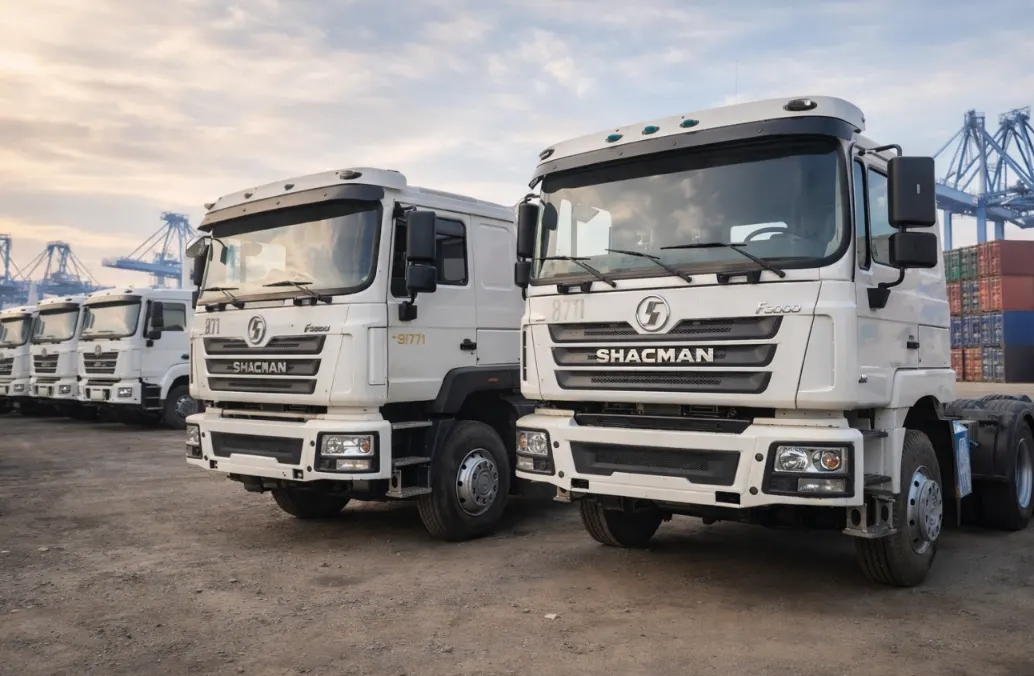
Практический контрольный список покупателей 2026 года для подержанных самосвалов и тракторных грузовиков
Короткий контрольный список предотвратит большинство «фотоутвержденных, неудачных на сайте» покупок.
Перечень проверок подержанных сваловых грузовиков (ориентированный на экспорт):
-
Рамковые рельсы/перекрестные элементы: трещины, сварные знаки, деформация
-
Подвеска: износ, удлинение, аномальное движение
-
Гидравлика: утечки цилиндров, скорость подъема, стабильность, признаки перегрева
-
Тормоза/шины: баланс износа, аномальное тепло, тяга, вибрация
-
Пакет доказательств: фотографии близкого плана тест-запуск видео ключевые точки износа
Перечень проверок подержанных тракторных грузовиков (ориентированный на экспорт):
-
Коды ошибок стабильности холодного запуска
-
Качество смены передачи при нагрузке (видеодоказательства)
-
Оси/подвеска: шум, вибрация, утечка
-
Тормоза/рулевое управление: стабильность, игра, аномальное тяжение
-
Документация: согласованность VIN/номера двигателя и готовность к экспорту
Как только вы определите свои допустимые пороги состояния, вы можете запросить котировки, сопоставимые между поставщиками. Если вы хотите двигаться быстрее в 2026 году, отправьте свои целевые спецификации и требования к инспекции через контактный канал Прежде чем начать переговоры по цене.
Как купить подержанные самосвалы и тракторные грузовики в 2026 году без дорогих сюрпризов
Покупка подержанных самосвалов и тракторов в 2026 году – это меньше прогнозирование рынка, а скорее контроль за вашим результатом. Используйте тенденции цен, чтобы понять, какие переменные имеют значение, рассматривайте риск как статью стоимости и оценивайте каждое предложение по общей стоимости посадки. Когда доказательства состояния, документы и осуществимость доставки обрабатываются рано, экспортные покупки становятся повторимыми, а «дешевая ошибка» становится гораздо менее вероятной.
Практический экспортный партнер для поставок подержанных грузовиков 2026 года
Liangshan Tuoda International Trade Co., Ltd. («Туода») специализируется на экспорте подержанных самосвалов, тракторных грузовиков и других тяжелых коммерческих транспортных средств на зарубежные рынки. Расположенный в Ляншане - установленном центре циркуляции и ремонта - Tuoda источники близки к инвентаризации, что помогает покупателям избежать неопределенности, которая часто приходит с несколькими слоями брокеров.
Ценность Tuoda основана на контроле процесса: проверке механического состояния, проверке конструктивной целостности, подтверждении готовности документации и планировании осуществимости доставки до завершения сделки. Для покупателей, выбирающих отремонтированные блоки, Tuoda сосредоточена на целевом восстановлении, соответствующем реальным эксплуатационным рискам, с целью сократить время простоя и неожиданности ремонта после прибытия, а не предоставлять косметические модернизации.
Tuoda поддерживает подрядчиков, операторов парка и дилеров на протяжении всего экспортного цикла, от выбора модели и координации инспекции до документации и планирования логистики. Если вашим приоритетом на 2026 год является предсказуемая доставка, контролируемая стоимость посадки и надежная эксплуатация после прибытия, Tuoda предлагает подход к снабжению, предназначенный для практических результатов закупок.
Часто задаваемые вопросы
Вопрос 1: Каковы ключевые факторы экспортных затрат и общие элементы затрат на высадку при покупке подержанных самосвалов и тракторных грузовиков в 2026 году?
А: Ключевые факторы экспортных затрат охватывают покупную цену. Исправление при необходимости считается. Перевозка и покрытие тоже. Таможенные ясные подходы. Вопросы портовой обработки. И после выпуска исправления. В 2026 году общая стоимость посадки часто зависит больше от готовности государства и доставки, чем от стартовой цены грузовика.
Q2: Как обычно меняются цены на подержанные самосвалы в 2026 году и цены на подержанные тракторные грузовики в 2026 году?
А: Цены на подержанные самосвалы 2026 года и подержанные тракторные грузовики 2026 года в основном следуют государству. Исправить прошлые счета. Часы или мили двигателя и поставки от обмена флотом. Результаты проверки важны. Готовность экспортных бумаг также может изменить конечную ставку.
Q3: Что должно быть включено в проверочный список проверки подержанных самосваловых грузовиков и проверочный список проверки подержанных тракторных грузовиков?
A: Использованный контрольный список проверки самосвалов должен посмотреть на состояние рамы. Число частей подъема. Тормозы подходят. И строить одежду. Перечень проверки подержанных тракторных грузовиков должен добавить работу двигателя. Считается состояние оси. И коды ошибок. Плюс проверка VIN/номера двигателя для экспорта.
Q4: Когда отремонтированные самосвалы и отремонтированные тракторные грузовики имеют больше смысла, чем покупать как есть?
A: Переоборудованные самосвалы и переоборудованные тракторные грузовики часто лучше подходят для экспорта, когда риск времени остановки высок. Или местная фиксированная мощность низкая. Целевое исправление может снизить большие риски сбоя после падения.
Вопрос 5: Как экспортные покупатели могут снизить риски покупки подержанных самосвалов и тракторных грузовиков в 2026 году?
Ответ: Снижайте риск, сопоставляя грузовик с работой. Ранее проверьте документы и документы. И матч предложения с использованием общей стоимости приземления. Не покупайте одну цену.
