


Used Tractor Trucks for GCC Countries: Key Specs, Road Rules, and Registration Tips
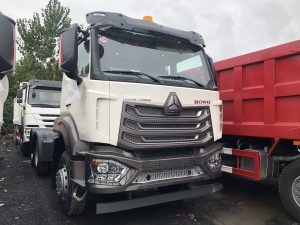
If you plan to bring a used tractor head into a GCC country, you likely know it is not just about picking a low price truck and setting up a boat trip. The Gulf area gets many big machines. But the rules on age, details, and sign-up are tough. They can make a nice buy turn into a truck stuck at the dock if you skip a small part.
This guide shows you the main stuff you need. It covers what kind of details work in GCC spots. It also talks about road rules that count for everyday jobs. And it explains how to get papers ready. So the truck can get tags and start running. Instead of waiting in a shed.
Why GCC Is a Special Market for Used Tractor Trucks
Spots like Saudi Arabia, the UAE, Oman, Qatar, Kuwait, and Bahrain need lots for road loads, far trips, and build work. At the same time, they have plain caps on machine age, safe parts, and air dirt to keep roads safe and air clean.
This mix makes the spot both nice and hard. If you pick right, a used unit can join a group and stay full for years. If you pick wrong, it might not pass checks or fit bring-in rules at all. When you start looking at used tractor trucks for sale for GCC folks, you should keep these local rules in your head.
Key Specs You Should Check Before Shipping
Before you chat about names or shades, the truck must match some basic work hopes. Most pains in GCC brings come from age, wheel side, or air dirt being out of line.
Vehicle Age, Emissions, and Steering Side
Many GCC spots limit the age of brought machines. For big trucks, tips often say a top age of about five to ten years from make date. This depends on local ways. A tractor past that may not get in, no matter how fine it seems.
Wheel side is another easy check. GCC roads go right-hand way, so left-hand drive tractors are usual. Many bosses say no to right-hand drive big machines for normal job use. If the unit is not left-hand drive, you often should not plan on using it in a GCC group.
On air dirt, very old motors with thick smoke or no plain score can have trouble in checks. Picking units that meet newer air levels is safer. It beats trying to mend a worn motor later under rush.
Axle Layout, Weight Limits, and Cooling
Most tractors in GCC far groups are 4×2 or 6×4 with known motor push bands. They must fit local axle and full weight caps, mainly on big roads and some bridges. Over fill is not just a pay risk. Lots of breaks can put the driver on the bad side of watch teams.
Cooling counts more than many think. Hot air around and long hills can push a weak cool setup too far. When you make a short list of GCC tractor truck needs, a clean cool grid, right fan set, and good cool liquid setup should be on your look list.
Cab ease, mainly air cool, is part of the details in real days. Drivers in the area often do long turns on warm roads. And many groups see working A/C as a main hope, not a fancy add.
Road Rules That Affect Daily Operation
Even after bring spot, local move rules shape how the truck can run. Some of these are plain sense. Others fit just the Gulf.
Lane, Speed, and Route Rules for Heavy Trucks
Big machines in GCC spots are often stuck to some paths on many-lane big roads. They must follow lower speed caps than small cars. In some towns, special truck paths, set hours, or full stops on big machines in some areas apply. More use of picture setups and side watch makes it tougher to skip these rules.
When you pick a tractor details for this area, you want a unit that can sit easy at allowed go speeds. It should not push the motor, gear box, or cool setup hard.
Technical Inspections and Roadworthiness
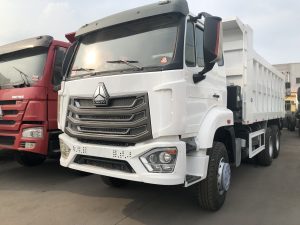
Before sign-up, many GCC areas need a full work check or road fit test. Check folks will look at stops, hang parts, base strength, lights, air dirt, and sometimes even inside safe items. Machines with build hurt, big rust, or marks of hard crash mend are likely to not pass.
That is why getting clean build used tractor trucks from the start is smarter. It beats betting on a cheaper unit with a iffy past. A low buy cost does not help if the truck never gets tags.
Registration and Customs Tips for GCC Imports
Once you have a good details, you still need to line the papers with bring and sign-up needs. This part is less seen in shots but just as key as the metal.
Core Documents You Will Need
Main papers often include a job bill, pack list, load note, and out or no-sign cert from the start spot. Some GCC spots also need fit or check certs showing match with local ways. Plus any power or fuel save tags that fit.
Names, VIN or base numbers, motor numbers where needed, and dates must match on all papers. Small word or number slips can cause waits, keep fees, or extra asks from bring teams.
Duties, VAT, and Use of Hubs
Bring pays and VAT change by spot, but many GCC spots put a pay rate on the CIF worth plus VAT on the land cost. In the UAE, for example, a five percent bring pay plus VAT is usual for many brought machines. Some buyers send loads through free areas or main docks to handle costs or to send out tractors to near spots.
If you are setting a used tractor truck for export into the area, working with a load sender who knows these ways can save time. And it can help you pick the right dock and steps.
How Tuoda Supports GCC Buyers of Used Tractor Trucks
Liangshan Tuoda International Trade Co., Ltd. is a pro second-hand big truck out company based in Liangshan, a big trade spot for work machines in China. The company’s work covers lots of used and fixed work machines, including tractors, dump trucks, fence trucks, mixer trucks, water trucks, and truck cranes. These go to spots in Southeast Asia, the Middle East, Africa, South America, Europe, and other areas.
Tuoda pays mind to mixing machine find, work check, fix up, and out papers into one way. Trucks are picked from many make bases and giver paths. They are looked at and mended where needed. Then set for over sea load and bring. For GCC buyers, this means get to tractors that are chosen with age caps, wheel side, and main GCC work points in mind. Rather than random stuff with unknown past. If you like to spend more time on setting your paths and less on running after papers and mends, that kind of help is worth real think.
FAQ
Q1: What is the typical maximum age for used tractor trucks in GCC countries?
A: Rules change, but many spots cap the age of big trucks to a window of about five to ten years from make. You should always look at the now rule in the exact spot before getting.
Q2: Can right-hand drive tractor trucks be registered in GCC markets?
A: In most cases no. GCC spots run right-hand move and mostly need left-hand drive machines for usual work sign-up.
Q3: Which technical points are most critical for GCC inspection?
A: Stops, hang, base shape, lights, and air dirt are main. Marks of big crash mend or heavy rust are strong no in checks.
Q4: Is it better to ship directly to the final GCC country or through a hub like the UAE?
A: It hangs on your path, costs, and if you plan to send out again. Some bring folks use main docks and free areas, others send straight in. A sender with GCC past can help match choices.
Q5: How can you lower the risk when buying used tractor trucks for GCC markets?
A: Pay mind to clean past, right age and details, left-hand drive, and good papers. Working with an out who checks, fixes, and knows GCC import rules for used trucks will often cut your risk more than going for the very bottom price.
