


How to Avoid Scams When Choosing a Commercial Truck Exporter

Sending money overseas for a truck you have never seen up close is a big move. If the exporter is honest, you get a solid truck, clear papers and shipping that makes sense. If the exporter plays tricks, you may lose months of time, pay many surprise fees, or see no truck at all. The good part is this: most scams leave marks. If you slow down, ask simple but direct questions, and check a few key points, you can cut your risk a lot when you deal with commercial truck exporters.
Why Scams Are a Real Risk in Commercial Trucks Export?
Commercial trucks are high-value machines. One deal can equal a year or more of income in some markets, so scammers like this field. Many commercial trucks export deals also happen across borders. Buyers and sellers live in different countries, use different languages and follow different rules. That distance makes it hard for you to visit the yard or meet the exporter face to face.
The export chain also has many steps: trucks, inland transport, ports, shipping lines, customs and agents. Each step adds paper and cost. When the process is this busy, a dishonest person may hide behind the mess. Your goal is not to fear every exporter. It is to see where a real exporter gives you help and where a scammer tries to rush or hide key details.
How to Check a Commercial Truck Exporter’s Background?
Before you focus on any one truck, look at the exporter as a whole company. A reliable truck exporter usually shows a full company name, a real office address, a working phone and a website with clear truck stock, not just a few random photos. You can search their company name online and see if they have real history in second-hand commercial vehicles and which areas they serve.
If an exporter often ships used commercial trucks to buyers in Africa, the Middle East, Southeast Asia or South America, they should be able to say which countries they work with and which types of trucks they move most, such as tractors, mixers or tippers. Ask about repeat buyers and dealer clients. Ask how many years they have done truck export. A serious used truck exporter is usually happy to talk about long-term partners and fleets, because that shows they are not a one-time trader.
How to Protect Yourself on Vehicle Condition and Inspection?
Many bad deals start with nice photos and a price that looks too good. To protect yourself, focus on proof of the real truck. You should get many clear photos: cab, interior, tyres, engine bay and frame. For a used dump truck, you also need photos of the box, hydraulic system, hinge area and any repair welds on the main beams.
Ask for an inspection report for used trucks that shows mileage, engine and gearbox status, brake system and frame condition. A trustworthy commercial truck exporter is usually willing to send video of a cold start, short driving clips and a walk-around of the whole unit. For a heavy duty dump truck, you can make a simple used dump truck checklist with points like lifting speed, oil leaks and cracks near the hoist mounts. Then you ask the exporter to follow that list while filming. This may sound fussy, but it often saves money later.
How to Stay Safe With Documents, Payments and Shipping?
Even if the truck itself is fine, weak paperwork can still create a big problem. Ask the exporter to write down the main documents for truck export before you send money. Common items include ownership or deregistration papers, export certificate, commercial invoice, packing list and a Bill of Lading that shows the VIN. A clear exporter will tell you which papers you get and at which stage.
With payments, be careful if someone wants full money at once into a private account. Many buyers prefer stages: a deposit first, then the rest after the truck is on board and the Bill of Lading is ready. Ask your bank or a trade agent in your country which methods are safer. For shipping commercial trucks overseas, ask if they use RoRo, flat rack or other ways, and what they do to protect the truck from damage during the trip. Simple questions here can uncover a lot.
Red Flags to Watch When Choosing an Exporter
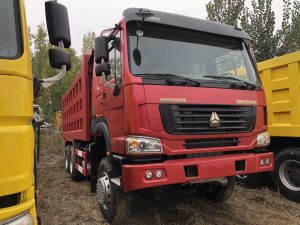
Some warning signs repeat again and again. One clear red flag is a price far below what other exporters offer for the same year and spec. Very cheap often means hidden damage, missing papers or many extra fees that appear later. Another bad sign is weak photos, or photos that clearly show different trucks in one listing, or images copied from other sites.
Be careful if the exporter refuses to send extra photos or video, dodges basic questions about the truck, or keeps pushing you to “pay now or lose the deal”. Vague answers about import duties and port charges are also a problem. A real exporter knows overseas truck buyers worry about these costs and can at least give a rough guide or suggest a local broker to explain details.
Why Working With a Professional Commercial Truck Exporter Helps
A professional exporter does more than arrange a boat. A good one helps you match truck spec to your road rules and work type, including axle load limits, emission rules and cab layout in your market. If you need a heavy duty dump truck for quarry or mine work, they should be able to say which suspension, frame setup and tyres hold up better in that kind of job.
Exporters who focus on trucks full-time usually follow a clear truck export process, from sourcing to yard prep, light repair, inspection, loading and documents. Some build their stock around a few key models, such as tractors, mixers and dump trucks, so they know where these trucks often fail and how to spot a better unit. When you work with a supplier that handles used dump truck for export all year, you gain from their stable supply and from the shipping routes they already use.
A Closer Look at Liangshan Tuoda International Trade Co., Ltd. (Tuoda)
Liangshan Tuoda International Trade Co., Ltd. is a specialized exporter of second-hand commercial vehicles based in a major truck trading area in China. The company works in global commercial trucks export, with a product range that includes used high-mobility trucks, refurbished dump trucks, tractor heads and concrete mixer trucks for building and transport projects. Over the years, Tuoda has built a cross-border customer base in more than 30 countries across Asia, Africa, the Middle East, Latin America and Europe, and has gained trust from overseas fleets and dealers through stable supply and repeat orders.
Tuoda runs preparation and testing facilities that support inspection, refurbishment, paperwork assistance and shipping services, not just simple resale. For buyers who want a used dump truck for export or other heavy units but cannot travel to China, this mix of technical checks and clear communication can turn a risky one-off purchase into a longer-term supply option.
FAQ
Q1: How can you quickly check if a commercial truck exporter is real?
A: Start with simple checks. Look for full company details, a working phone, and a website with real stock. Then ask for past shipment photos or references and watch how clearly they reply.
Q2: What should you ask for before paying for a used truck?
A: Ask for clear photos, an inspection report, running and driving videos, and a list of export papers. You can also request a draft contract and payment terms before any transfer.
Q3: Are very cheap truck offers always scams?
A: Not always, but they are a strong warning. If one price is far below others, ask why. The truck may have heavy damage, weak papers or many extra costs that you will only see later.
Q4: How do you reduce risk when paying an exporter?
A: Avoid sending the full amount to a private account. Use staged payments or safer methods suggested by your bank or broker, and make sure the contract clearly shows the truck, the delivery term and what happens if plans change.
Q5: Why do many scams happen with used dump trucks and other heavy units?
A: Heavy trucks cost more, so scammers see a bigger chance. Buyers are often far away and in a hurry. That mix makes it easier for dishonest sellers to hide problems or push for fast payment if you do not take time to check them properly.
