


How a Refurbished Tractor Truck Is Prepared for Export: From Frame Inspection to Road Test
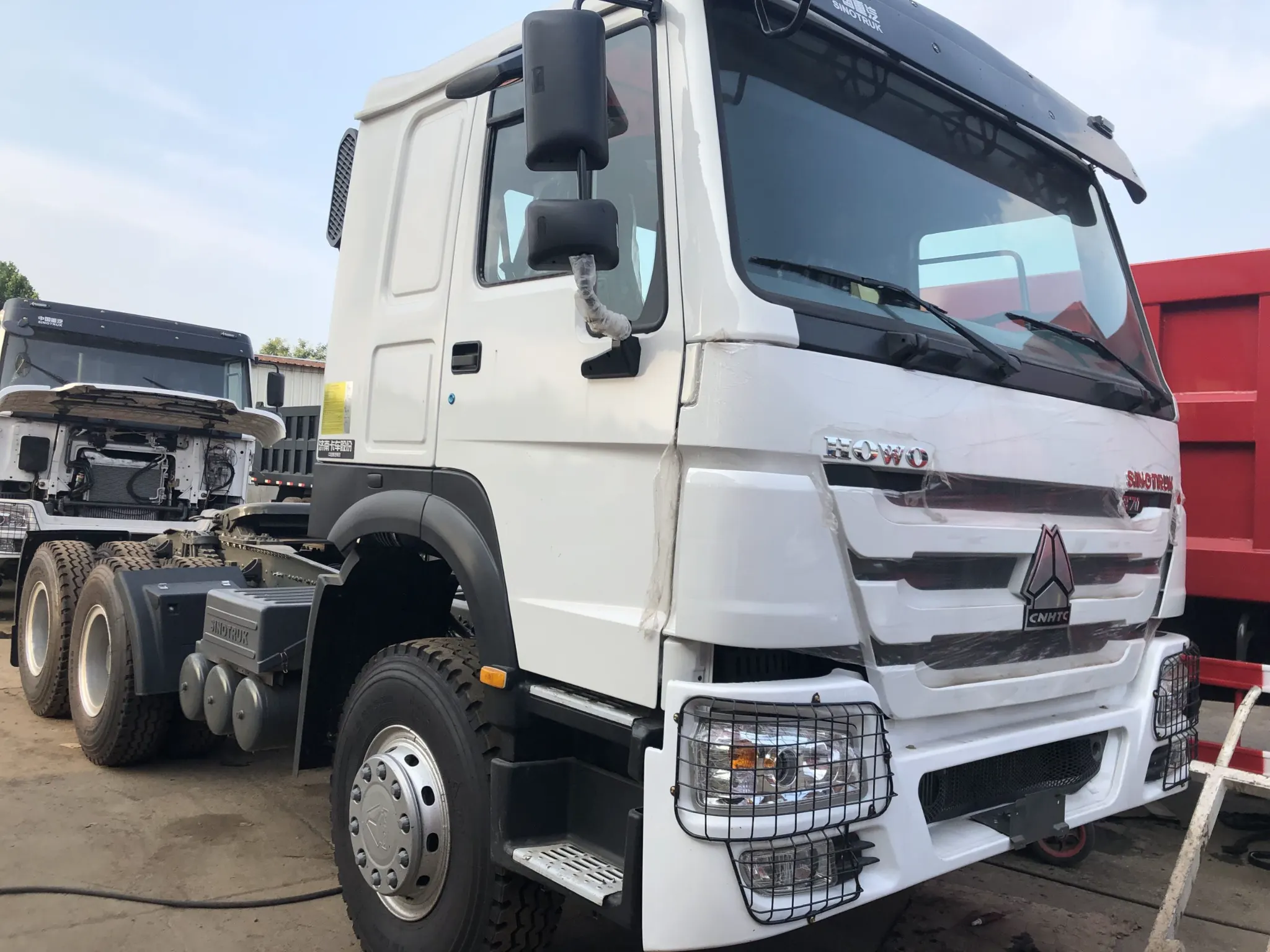
When you look at a glossy photo of a truck online, it is hard to tell if that vehicle is ready for long-haul work or only ready for a short trip to the workshop. For importers, a refurbished tractor truck can be a smart way to grow a fleet without paying new-truck prices. But that only works if the refurbishment is real, not just fresh paint.
This guide walks through how a serious exporter prepares a used tractor truck before shipment. From frame inspection to road test, you will see what should happen behind the scenes and how you can use that process to judge offers from far away.
Why Does the Refurbishment Process Matter Before Export?
If you import used tractor trucks for export to Africa or other regions, you carry the risk. Once the unit lands at the port, sending it back is almost impossible. A nice-looking cab with hidden frame damage, weak brakes or a tired engine can stop a project or eat repair money you did not plan for.
A proper process checks the truck as a whole machine, not just as a sales picture. It looks at frame and chassis, powertrain, axles, suspension, steering, electrical system and finally how everything works together on the road. That is the only way a second hand tractor truck can work like a real tool, not a lottery ticket.
What Happens If Refurbishment Is Only Cosmetic?
If a seller simply cleans the truck, changes a few parts and sprays new paint, many problems stay hidden. A bent frame may still twist under load. Old suspension parts can fail on rough roads. Brake lines might leak only when the truck is hot and fully loaded. On a long highway in hot weather, these small issues can turn into breakdowns and safety risks.
How Does a Structured Process Protect You?
A structured refurbishment process aims to catch big faults before export. For example, Tuoda’s refurbished tractor lineup is built around 6×4 units with 371–420 hp engines, Euro 2 emission level and 40–60 ton load capacity, and those trucks go through strict frame inspection and chassis reinforcement before being offered for sale. When an exporter shows clear steps and records, you get more than a used tractor truck. You get a machine that has been checked with your work in mind.
What Are the Main Steps in Preparing a Refurbished Tractor Truck?
The full process usually runs from the day the truck enters the yard to the day it goes onto a vessel. Details vary by supplier, but the key steps are similar. If a seller claims to offer high-quality refurbished tractor trucks, you should be able to match their story to something like this.
Step 1 – Incoming Truck Selection and Screening
Not every unit is worth rebuilding. The first filter removes trucks with obvious frame distortion, serious cabin damage or missing key components. Basic data is recorded: production year, drive type (often 6×4), engine model, horsepower range, wheelbase and curb weight. Only units that pass this first check move to deep inspection.
Step 2 – Frame and Chassis Inspection
Frame inspection for used tractor trucks is the backbone of the process. Technicians check both main rails, cross members and suspension mounts. They look for bends, cracks, extra welded plates and corrosion. If needed, the frame is straightened on a jig and weak sections are repaired and treated against rust. This step matters more than shiny paint, because it decides long-term load capacity.
Step 3 – Powertrain and Axle Overhaul
Next comes engine, gearbox and axles. A typical refurbished 6×4 tractor uses a 371 hp diesel engine with direct injection, a 10-speed manual gearbox, HF9 front axle and HC16 rear axles, plus a 300 liter fuel tank for long-distance work. During refurbishment, mechanics check for leaks, abnormal smoke, metal noise, rough shifting and axle play. Worn parts and seals are replaced, and oil is changed across the system.
Step 4 – Suspension, Steering and Brake Service
A tractor head for trailers must handle bumps, potholes and heavy drawbar loads. Suspension parts such as leaf springs, bushings and shock absorbers are inspected and swapped if they show fatigue. Steering boxes and rods are checked for free play and leaks. Brake systems, often dual-circuit compressed air types, are checked for air leaks, worn shoes and weak braking force.
Step 5 – Electrical and Cabin Work
Electrical faults are annoying on any vehicle but especially painful on export units. In this stage, lights, gauges, wiring harnesses and batteries are tested and repaired. Inside the cab, seats, interior panels, sleeper area, air conditioner and switches are cleaned or replaced. The aim is to make the driver’s space safe and comfortable enough for long-haul trips, even if the truck has worked for years before.
Step 6 – Rust Treatment, Paint and Final Detailing
After structural and mechanical work, the chassis and cab get rust treatment, primer and top coat. On a real refurbishment, paint is not just there to hide flaws. It protects the frame and cab from further corrosion, which is important in coastal climates and humid regions. Wheels, tanks and visible parts are cleaned up, but that is more like the last layer, not the main act.
Step 7 – Road Test and Pre-Export Check
A road test for refurbished tractor trucks is where all the work meets reality. The truck is driven on real roads, not only around the yard. The team checks acceleration, braking distance, gear shifting, steering feel, noise levels and temperature. Any new vibration or noise spotted during this test sends the truck back for adjustment. Only when the unit passes road test and leak check does it move to export paperwork and shipping.

What Shortcuts Do Some Sellers Take (and Why Should You Care)?
Not every exporter follows all these steps. Some sellers try to save time and cost by limiting work to high-visibility areas. For example, they may clean the cabin, change tires and repaint the exterior, but skip deep frame checks and drivetrain service. The truck looks fine in photos, yet problems appear after a few months in real work.
Other shortcuts include partial repairs without records or no road test at all. If a seller cannot explain what has been done on the frame, axles or brakes, or shows only distant photos, that is a clear warning sign. In simple words, you should always ask how to check used tractor truck condition before trusting a low price.
How Can You Use This Process to Judge a Tractor Offer?
As a buyer, you do not need to be a mechanic. You just need a short checklist based on the steps above. When you talk with a supplier about used tractor trucks for export to Africa, you can quickly see who has a real process and who is only selling stories.
Ask what has been done at each stage: frame, powertrain, suspension, brakes, electrics and road test. Request photos of the chassis, axles and cabin in daylight, plus at least one driving video. A serious exporter should treat this as a normal part of the deal, not as an extra burden. If their answers stay vague, it may be smarter to look at another second hand tractor truck that comes with better proof.
Who Is Liangshan Tuoda International Trade Co., Ltd. and What Is Tuoda Doing?
Liangshan Tuoda International Trade Co., Ltd. is a professional exporter of used heavy trucks based in China’s largest used vehicle trading center in Liangshan, Shandong. From this hub, the company sources high-quality domestic used trucks, runs them through strict inspection and maintenance, and arranges global logistics so each unit can reach overseas customers in working order.
Under Tuoda, the product line covers refurbished tractor heads, dump trucks, truck cranes, water and tank trucks, fence trucks and concrete mixer trucks, along with some new inventory vehicles. The company reports cooperation with more than 30 manufacturing bases, around 3,000 suppliers and over 1,000 dealers, building a cross-border network that serves buyers in Asia, Africa and Latin America. Tuoda also invests in digital tools such as online VR truck viewing and traceable maintenance records, which helps importers check vehicle condition from abroad before making a decision.
FAQ
Q1: How do you quickly judge if a refurbished tractor truck is serious work or just paint?
A: Ask what was done on the frame, engine, axles and brakes, and ask for photos of those areas. If the seller only talks about paint and cleaning, be careful.
Q2: What specs should you check first on a used tractor truck for export?
A: Look at drive type, horsepower, emission level, wheelbase, fuel tank size and rated load. Then check service history and any notes about repairs.
Q3: Is a road test really needed for a second hand tractor truck?
A: Yes. A road test shows issues that static checks miss, like noise under load, steering pull or weak braking on real roads.
Q4: How can you use this process when you buy from far away?
A: Turn each step into a question. Ask for frame photos, engine and cab details, and at least one driving video. A good exporter will share them.
Q5: Are refurbished tractor trucks a good choice for long-haul work in Africa?
A: If the truck has gone through full inspection, repair and road testing, it can be a strong and cost-effective choice, especially when budgets are tight and projects need reliable equipment.
