


Importation de carburant usagé de Chine: 5 spécifications à vérifier
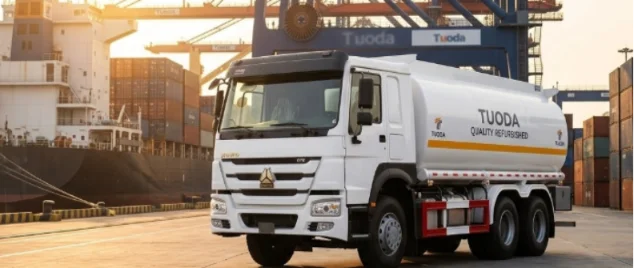
Prendre la décision de Importation de carburant usagé en provenance de Chine peut réduire considérablement les coûts d'expansion de votre flotte. Les chaînes d’approvisionnement mondiales restent incroyablement étroites en ce moment, et les prix des véhicules commerciaux neufs continuent d’augmenter chaque année. Pour de nombreuses entreprises de logistique en croissance, l’achat de nouvelles prend tout simplement trop de temps pour montrer un retour sur investissement positif. L'achat d'occasion permet d'économiser de l'argent à l'avance. Mais acheter des machines lourdes à travers les frontières semble parfois très risqué. Vous envoyez de l'argent à l'étranger pour un camion massif que vous n'avez pas conduit personnellement. Et si le réservoir émet une fuite lors du tout premier voyage de livraison? Ou pire encore, le moteur a besoin d'une reconstruction complète juste après le dédouanement de votre port local. Ce guide détaille les spécifications critiques du camion-citerne rénové que vous devez évaluer avant de signer tout contrat d'achat. Regardez de près les détails mécaniques réels qui comptent le plus sur le terrain.
Qu'est-ce qui rend la coque du réservoir et le traitement anticorrosion si critiques?
Le transport de liquides dangereux ne laisse aucune marge d'erreur. Une petite fuite se transforme rapidement en une responsabilité financière massive et un cauchemar de sécurité publique pour votre entreprise. Vous devez regarder bien au-delà d'une couche fraîche de peinture extérieure brillante lors de l'inspection du réservoir lui-même.
Inspection du métal et du revêtement
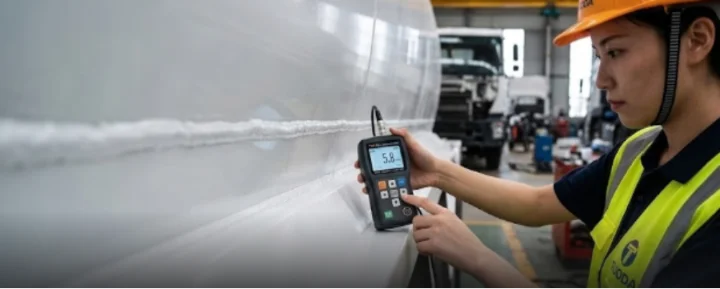
Un acier au carbone standard épaisseur de la coquille du réservoir doit strictement répondre aux exigences de 5mm à 6mm pour les liquides dangereux. Tout ce qui est plus mince ne fait que poser des problèmes sur des routes de terre rugueuses. Le poids du liquide change constamment pendant le transit. Cette chute soudaine crée une immense pression interne contre les parois métalliques. Demandez toujours une preuve vidéo du revêtement anti-corrosion interne et des tests récents de pression de l'eau auprès du fournisseur. Un réservoir peut sembler parfaitement brillant à l'extérieur, mais l'intérieur prend le vrai coup des réactions chimiques au fil du temps. Certains mauvais fournisseurs peint juste sur de vieilles taches de rouille. Vous voulez voir clairement les coutures de soudage intérieures dans les vidéos. Les bonnes soudures semblent parfaitement lisses et cohérentes, pas comme une rangée désordonnée de pièces de monnaie se chevauchant. La réparation d'un corps de réservoir compromis dans une zone éloignée vous coûtera des milliers de temps d'arrêt perdus.
Quelle est la santé du moteur et du système d'émission ?
Un extérieur impeccable ne signifie absolument rien si le camion ne peut pas fonctionner légalement dans votre ville ou se casse constamment. L'unité électrique dicte votre calendrier de livraison, votre consommation quotidienne de carburant et, en fin de compte, vos marges de profit.
Vérifier la puissance et la conformité
Vérifier la conformité aux normes locales d'émission est la première étape pour vérifier que votre véhicule dédouane en toute douceur. Les douaniers tiendront un camion dans le chantier portuaire pendant des semaines si la documentation ne correspond pas au moteur réel. Les règles changent rapidement ces jours-ci dans différentes régions. Un fournisseur fiable ne se contentera pas de laver le compartiment moteur avec des produits chimiques durs pour le rendre agréable. Ils fourniront un rapport complet de révision du moteur des camions lourds montrant exactement quelles pièces internes ont été remplacées. Regardez de près la fumée d'échappement lors des démarrages froids dans leurs vidéos d'inspection. La fumée bleue signifie que le moteur brûle de l'huile, tandis que la fumée noire lourde indique de graves problèmes d'injecteur de carburant. Il faut une oreille hautement entraînée pour attraper un mauvais roulement turbo. Demandez au vendeur de faire fonctionner le moteur à des tours élevés pendant quelques minutes devant la caméra afin que vous puissiez écouter des sons de frappage métallique étranges.
Le châssis et la suspension sont-ils encore solides ?
Les conditions routières dans de nombreuses régions en développement sont extrêmement difficiles pour les véhicules commerciaux. Les trous profonds et les routes boueuses non pavées punissent l'intégrité structurelle de tout camion chaque jour.
Vérifier la colonne vertébrale
Le châssis du camion lourd supporte la charge dynamique des liquides en mouvement. L'inspection des fissures de stress cachées n'est absolument pas négociable. Regardez de près derrière la cabine et près des supports de suspension arrière. Ces points spécifiques subissent les contraintes mécaniques les plus lourdes pendant le transit. Parfois, des vendeurs sans scrupules pulvérisent une épaisse peinture noire caoutchoucée sur une rouille lourde pour cacher de graves dommages structurels. Si vous voyez des marques de soudure fraîches et négligentes cachées sous une peinture épaisse sur les poutres en acier principales, allez-vous immédiatement. Une bonne rénovation signifie remplacer les ressorts à feuilles usés et vérifier soigneusement les moyeux d'essieu. Vous voulez des pièces de suspension qui peuvent gérer quarante tonnes de liquide rebondissant sans se couper à moitié.
Les vannes et les systèmes de pompe fonctionnent-ils en douceur?
Les temps de chargement et de déchargement influent directement sur votre efficacité opérationnelle quotidienne. Si votre chauffeur passe deux heures supplémentaires à lutter avec des vannes mécaniques coincées dans le dépôt, vous perdez tout un voyage ce jour-là.
Tester le hub opérationnel
Assurez-vous que les vannes de décharge API et les systèmes de récupération de vapeur sont complètement exempts de fuites. Les joints d'étanchéité en caoutchouc se dégradent rapidement après quelques années d'exposition chimique sévère. Testez l'engagement du PTO (Power Take-Off) et des systèmes de pompe pour garantir un déchargement rapide et sûr. Parfois, l'engrenage PTO broie fort lorsque le conducteur l'engage. Ce bruit terrible signifie que les dents de transmission internes sont usées et vont échouer très bientôt. Imaginez le désordre terrible d'un engrenage de pompe cassé dans un quai de chargement pluvieux tandis que les clients en colère attendent leur livraison de carburant. Obtenir des pièces de pompe de remplacement localement peut être un énorme mal de tête. Résolvez ce problème spécifique avant que le camion ne quitte le port d'exportation.
Les pneus et les freins peuvent-ils supporter des charges lourdes ?
La sécurité des transports commerciaux revient toujours à la puissance d'arrêt et à l'adhérence sur la route. Une boîte métallique massive pleine de liquide à frottement nécessite une frottement hautement fiable pour s'arrêter en toute sécurité au feu humide.
Évaluation de la puissance d'arrêt
Pour un pétrolier entièrement chargé, la fiabilité des freins à air est littéralement une question de vie ou de mort sur des terrains de montagne escarpés. Vérifiez la rétention de pression d'air pendant la nuit. Une fuite d'air lente signifie que le compresseur d'air du camion fonctionnera sans arrêt, éventuellement brûlant complètement. Regardez aussi la profondeur de la bande de roulement. Les pneus commerciaux sont très chers. Remplacer dix ou douze pneus lourdement usés immédiatement à l'arrivée efface vos économies d'achat initiales. Les pneus doivent s'usurer uniformement sur la bande de roulement. L'usure inégale vous indique que les essieux sont hors alignement ou que les composants de suspension sont pliés. Vous pouvez souvent sentir un mauvais système de frein avant de le voir, alors demandez au mécanicien de vérifier l'épaisseur de la plaquette de frein directement devant la caméra.
Pourquoi choisir Tuoda pour votre prochaine mise à niveau de flotte?
Lors de l’expansion des opérations de transport, trouver un partenaire qui se soucie vraiment de l’intégrité mécanique change tout. C'est là que Tuoda intervient en tant que nom hautement fiable dans l'industrie. Contrairement aux fournisseurs moyens qui repeintent simplement des véhicules anciens, Tuoda fournit véhicules utilitaires reconditionnés de haute qualité soutenu par des vidéos d'inspection transparentes et des rapports d'essais détaillés. Ils démolent complètement et reconstruisent les composants de base. Tuoda se concentre fortement sur l'état de travail réel du moteur, du châssis et des caractéristiques de sécurité du réservoir plutôt que sur les réparations extérieures cosmétiques. Vous obtenez une machine prête à travailler dur dès le premier jour, évitant complètement les pièges financiers cachés du marché de l'équipement d'occasion. Leurs techniciens savent exactement comment faire correspondre les bonnes spécifications de camion à vos lois routières locales et vos besoins de transport quotidiens. Choisir Tuoda signifie que vous obtenez des machines lourdes qui fonctionnent comme neuves mais à une fraction du coût. Cela rend votre entreprise logistique très compétitive.
FAQ (questions fréquentes)
Q1: Combien de temps prend le processus de rénovation du camion réellement?
R: Cela prend généralement environ 15 à 20 jours ouvrables. Cette ligne de temps permet assez de place pour les inspections mécaniques approfondies, les réparations de moteurs et le durcissement approprié des couches de peinture protectrice. La précipitation de ce processus conduit à de mauvais résultats.
Q2: Puis-je demander des modifications spécifiques pour le réservoir de stockage?
R: Oui, vous pouvez absolument. Vous pouvez demander des baffles internes supplémentaires, des types de vannes spécifiques ou une capacité de pompe différente basée strictement sur le liquide exact que vous prévoyez de transporter quotidiennement.
Q3: Ces camions rénovés sont-ils livrés avec des pièces détachées?
A: Une norme camion-citerne rénové Les navires sont généralement équipés d'articles d'entretien de base. Vous trouverez souvent des filtres à carburant, des filtres à air et des composants de base de la boîte à outils inclus pour une utilisation immédiate à votre arrivée.
Q4: Comment vérifiez-vous le kilométrage réel sur un camion commercial usagé?
R: Ne faites jamais confiance aux numéros du tableau de bord seuls. Comparez toujours le kilométrage indiqué aux données du module de commande du moteur et observez de près l'usure physique des pédales et du volant. L'usure lourde signifie un kilométrage élevé.
Q5: Que se passe-t-il si le camion arrive au port avec une pièce manquante?
R: Les exportateurs réputés prennent des photos et des vidéos détaillées juste avant de charger le véhicule sur le navire de fret. Cette documentation spécifique aide à résoudre tout différend de transit avec la compagnie maritime très rapidement.
