


SHACMAN Trucks for Construction Sites: Key Advantages
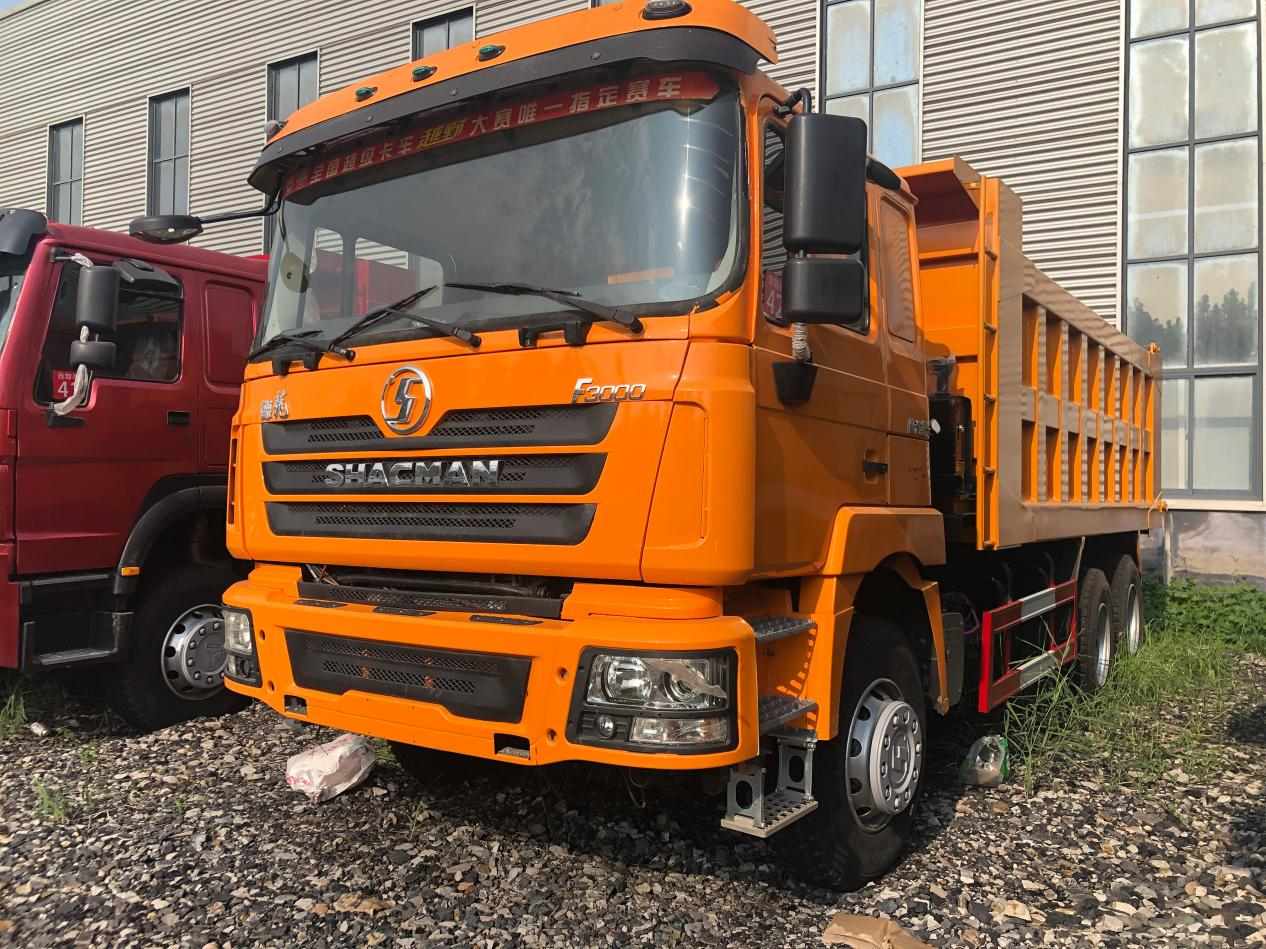
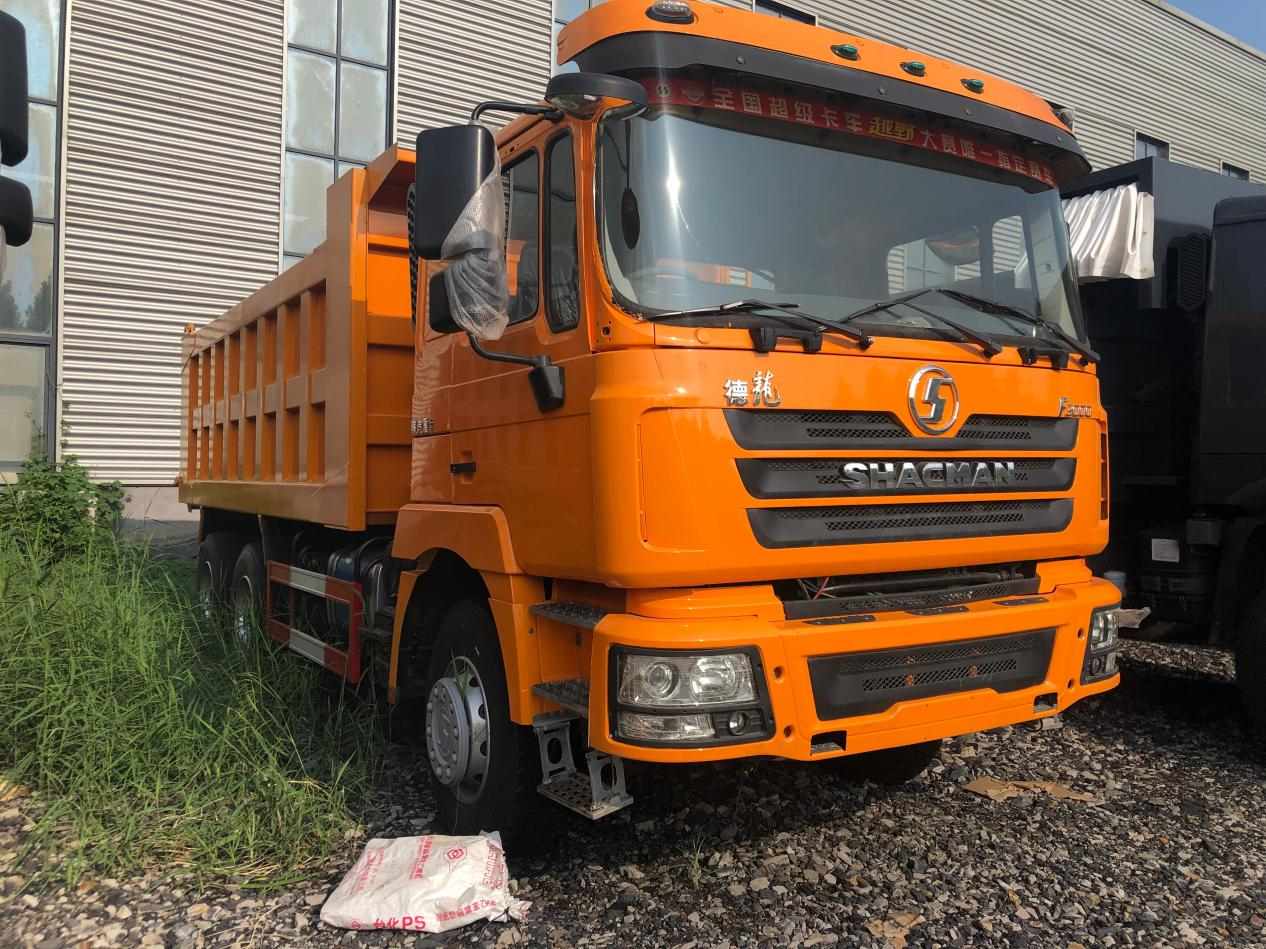
SHACMAN trucks can serve construction sites when the truck’s drive layout, ground clearance, dump body, and protection match the route and work cycle. For buyers comparing SHACMAN trucks for construction sites, the key question is not whether one model is “best,” but whether its specific configuration fits the site, payload rules, and maintenance plan. The SHACMAN F3000 dump truck listing is one example to evaluate against those requirements.
What Construction Sites Require from a Truck
A truck moving soil on a paved road faces a different job from one carrying rock through a muddy, uneven worksite. Before comparing models, record the material, target payload, route distance, gradients, turning space, loading equipment, unloading area, and expected trips per shift.
These details affect the required axle configuration, tires, engine and transmission combination, cargo-body dimensions, hoist, and ground clearance. They also determine whether the vehicle will spend most of its time on public roads or on closed site routes. Buyers should check destination-country registration, axle-load, emissions, and import requirements before choosing a truck.
1. Protection and Clearance for Rough Ground
Rocks, ruts, mud, and uneven approaches can expose a truck’s underside and front components to impact. A suitable configuration may include protective parts and geometry intended for rougher routes, but those features vary by model, trim, market, and production year.
SHACMAN’s official F3000 product information describes the Super Edition with a steel front bumper, lighting grilles, an oil-pan guard, and fuel-tank protection. Treat these as configuration-specific examples, not standard equipment on every F3000 or SHACMAN truck.
For a used unit, ask for clear underside photographs and inspect the frame, oil pan, fuel tank, brackets, suspension, and signs of impact repair. A model’s published design features do not confirm the condition of an individual truck.
2. Powertrain and Axle Options Must Fit the Haul Cycle
Engine power alone does not tell you whether a truck will work well on a particular site. The loaded gradient, surface, route length, stop-start frequency, axle ratios, transmission, tire size, and return trip all affect how the truck performs.
For example, some mixed road and site duties may use a 6×4 layout. Other jobs may call for an 8×4 setup because of payload needs or local axle rules. SHACMAN lists several F3000 drive layouts.
Confirm the exact engine, gearbox, axle ratings, and drive layout from the vehicle identification details and inspection records. Then compare them with the route and legal load limits.
The same check matters when reviewing a used SHACMAN dump truck. Ask the seller to identify the exact vehicle rather than relying on a model-family description, and confirm that the offered engine and drivetrain match the quotation, photos, and vehicle plates.
3. Dump Body and Payload Setup Shape Productivity
A dump body should match the material and loading method. Soil, sand, aggregate, and demolition debris differ in density and flow, so body volume alone does not establish how much a truck can legally or safely carry. Check the permitted gross vehicle weight, axle limits, empty weight, body dimensions, and site rules together.
Check the tailgate, floor, panels, hinges, subframe, and hoist. Their condition affects whether the truck can complete loading and unloading cycles reliably. The loading equipment and dump body should work together so that bucket size, body capacity, and the unloading area do not create avoidable delays.
If you are comparing available units, the site’s refurbished dump truck range can help you review options. Confirm specifications and current availability for the individual vehicle before making a decision.
4. Service Planning Matters Alongside Truck Configuration
Protection features only solve part of the operating challenge. A truck that works far from a service center also needs a practical maintenance schedule, accessible parts, trained technicians, and clear repair support. Check parts and repair support before selecting the truck.
For cross-border buyers, confirm who provides technical support after delivery and what records or parts are included with the unit. These arrangements vary by seller and destination, so get them in writing instead of treating them as standard equipment or guaranteed uptime. Liangshan Tuoda outlines its inspection and after-sales support on its used-truck service page; buyers should confirm which services apply to the specific vehicle and destination.
A SHACMAN-Reported Project Example
SHACMAN’s 2026 company presentation describes F3000 Super Edition dump trucks used for the Simandou Railway project in Guinea. The presentation lists high humidity and salt exposure, mud, potholes, steep slopes, gravel, dust, and repeated low-speed heavy-load cycles among the operating conditions. It also describes corrosion-resistant treatments, increased ground clearance, and added protection for the engine and fuel tank.
The same presentation reports that more than 1,300 SHACMAN heavy-duty trucks were used on the project and that average uptime exceeded 95%. These are manufacturer-reported, project-level figures; they do not establish the expected uptime of a particular F3000 or a different fleet.
5. Check Safety, Visibility, and Driver Fit by Vehicle
Cab comfort and safety equipment can vary by model year, specification, and market. Inspect the seat, mirrors, windscreen, lights, controls, restraints, tires, and braking system on the specific vehicle. Confirm which braking or driver-assistance systems are fitted instead of assuming that every truck in a model series has the same equipment.
For a used truck, request a cold-start and road-test video where practical, along with records of brake, steering, and suspension checks. A clean interior or a low odometer reading cannot replace a mechanical inspection.
How to Choose SHACMAN Trucks for Construction Sites
Use the project duty cycle to narrow the specification before comparing individual vehicles.
|
Site condition |
Details to verify |
|---|---|
|
Mud, gravel, ruts, or steep access roads |
Drive layout, tires, ground clearance, underside protection, frame condition |
|
Soil, sand, aggregate, or demolition material |
Body type and dimensions, payload limits, axle loads, tailgate and hoist condition |
|
Frequent short-haul cycles |
Loading and tipping time, turning space, braking, daily trips, cooling condition |
|
Hot, humid, dusty, or corrosive environment |
Cooling and filtration setup, corrosion protection, electrical condition, local service support |
|
Used or refurbished purchase |
VIN and plates, engine and axle identity, repair history, structural checks, operating-test evidence |
For a more detailed used-truck selection process, see the guide to choosing a used dump truck for construction.
What to Inspect Before Buying a Used SHACMAN F3000
Before paying a deposit, request the VIN, chassis and engine plates, current photos, maintenance and repair records, and a written specification tied to the exact unit. Ask for evidence of a cold start, driving, braking, and dump-body operation. Inspect the frame rails, welds, suspension mounts, axles, tires, body floor, hydraulic system, and signs of corrosion or accident repair.
Confirm that the listed engine, drive layout, body size, emissions level, and payload description match the unit and the rules in your destination country. For refurbished trucks, request a written description of completed repairs and any remaining defects. Model reputation cannot establish the condition of a particular used vehicle.
Frequently Asked Questions
What SHACMAN truck types are used on construction sites?
The right type depends on the work. On-road dump trucks may suit projects that combine public-road travel with site hauling, while more specialized configurations may be needed for rougher or heavier-duty routes. Compare the truck’s exact drive layout, body, tires, and legal payload with the project duty cycle.
Is the SHACMAN F3000 suitable for rough construction roads?
Some F3000 versions are configured for demanding routes. SHACMAN’s product materials describe protective features on the F3000 Super Edition, but equipment varies by version and market. Check the exact vehicle’s plates, underside condition, clearance, tires, and protection before deciding whether it fits your site.
Should I choose a 6×4 or 8×4 SHACMAN dump truck?
There is no universal answer. The right axle layout depends on payload, axle-load rules, route surface, turning space, and the truck’s operating cycle. Compare complete specifications for the specific vehicle and confirm the permitted configuration with the destination market’s applicable requirements.
What should I inspect on a used SHACMAN construction truck?
Verify the VIN and component plates, then inspect the frame, engine, transmission, axles, brakes, tires, dump body, hoist, hydraulics, and electrical system. Review service and repair records and request operating-test evidence. Match the written specification to the physical unit before purchase.
Match the Truck to the Project
The practical advantages of SHACMAN trucks on construction sites depend on the configuration and the truck’s condition. Start with route, material, payload, and cycle requirements; then verify the exact equipment, local regulations, service support, and inspection record. Buyers can review the current F3000 listing and request details for the specific unit they are considering.
السابق: لا أحد
