


What makes a used truck keep its value over time?
The top used trucks for commercial resale have the exact features local buyers want. They also need easy-to-find parts and a clear maintenance history. You can look at tractor trucks, rigid cargo trucks, and vocational vehicles. Any of these can be a great choice. Their true value depends on their shape and what people actually want in your selling area.
If you buy from overseas, you must plan your resale before you even pay. A truck needs to do the job today. But it also must help the next owner later. Always match that future goal with local prices and running needs.
Which Types of Used Commercial Trucks Are Worth Shortlisting?
First, look for truck setups people already use for similar jobs in your town. Then, see which specific trucks catch a buyer’s eye. Pay attention to how a truck’s physical shape changes the cash offers you get.
Tractor Trucks with Locally Common Specifications
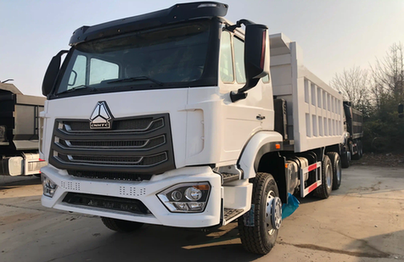
Let’s say you are looking at fixed-up tractor trucks. You need to check if folks actually want that axle layout. Look at the engine, transmission, and the cab setup, too. Can it pull standard trailers? Does it fit the legal weight rules? These things are a big deal. If local repair shops know the truck’s setup, that is a huge plus. It gives the next buyer peace of mind when they think about future fixes.
Rigid Cargo Trucks with Useful Body Configurations
A rigid cargo truck is a good pick if its size fits local delivery jobs. Check the payload limit and the wheelbase. Ask yourself: could someone else use this truck without changing much? Changing a truck body costs a lot of money. You must add that cost to your starting math.
Vocational Trucks with Verified Working Equipment
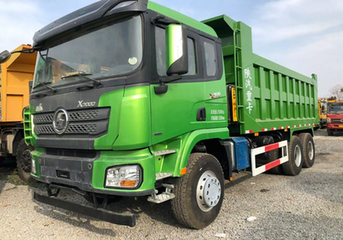
When you check out refurbished dump trucks, look closely at the body. Check the hydraulics and the chassis at the same time. For mixer trucks, you have to test the drum and the drive. Also, see how clean it is inside and out. Special tools only appeal to a small group of buyers. Try to spot your future buyers before you think you can charge extra money for special parts.
What Helps a Used Truck Retain Its Value?
Good features and clear proof of a truck’s health give people a reason to buy. Use these simple checks to line up your choices.
|
Key Factor |
What You Should Ask For |
Things to Worry About |
|---|---|---|
|
Local Demand |
Prices of recent similar sales or dealer bids. |
Not many people want this exact truck setup. |
|
Parts Support |
Proof that local shops have parts and know the truck. |
Waiting a long time for parts to arrive. |
|
Frame Health |
A full check of the frame and a list of past fixes. |
Cracks, bending, or strange welding marks. |
|
Maintenance |
Service papers with dates that match the VIN. |
Missing notes or miles that jump around. |
|
Working Setup |
Weight limits for the axles, body size, and shape. |
Paying too much to change the truck for local jobs. |
|
Legal Rules |
Papers showing the truck is allowed on the road. |
Rules that stop you from using or selling the truck. |
A clean truck makes it much easier for a buyer to look it over. The real facts about the engine and the frame must back up how good it looks. Remember, what people want can change while you own the truck. This happens even if you take great care of it.
For every truck you look at, ask: who will buy this next? Will it be a big fleet, a builder, or a solo driver? Make sure the truck fits that person’s daily work. A special truck body might be perfect for one builder. But it could cost too much for someone else to change. Because of this, you must compare trucks in your exact town or city. This is the only way to pick the best used trucks to sell later.
Does Age or Mileage Matter More for Resale?
You need to look at both numbers. But you must also check the engine hours and what kind of work the truck did. A truck that sits still with the engine running adds lots of hours. But it does not add many miles. Working in a rocky quarry is very tough on a truck. Driving on a smooth highway causes a different kind of wear.
Always look for damage from carrying too much weight. Check the gears and see if the same parts break a lot. The service papers should explain why big parts were swapped out. These papers must also match the miles shown on the dash. A low number on the dash does not mean the truck is healthy.
Age is a big deal if local rules block old trucks. Make sure you check the exact rules for your future sale. There is no magic mileage number that promises a high price everywhere. Different places and truck types have their own rules.
How Can You Estimate Resale Value Before Buying?
You can guess the future price by looking at similar trucks. After that, take away the costs of selling and leave room for the unknown. When you compare, make sure you look at the same amount of time owned for each truck.
Compare Vehicles in the Same Local Market
Try to find recent sales of trucks with similar parts, age, miles, and health. Sometimes you cannot see what a truck actually sold for. If so, ask dealers to show you written offers. The prices you see in ads only show what the seller wants. They do not prove what someone really paid.
Write down the date and the details for every truck you check. Change your guess based on extra gear, past fixes, or legal differences. If you look at prices from another country, be careful. You must check your local demand and fees first.
Work Out Expected Net Sale Proceeds
The final cash you keep is the selling price minus your costs. These costs include cleaning, seller fees, and moving the truck.
If someone says a truck keeps a certain percent of its value, ask questions. What was the start price? How long did they keep it? A percent based on a brand-new truck is very different from one based on a used truck price. Always write down your final cash amount after all fees are paid.
Try guessing a lower sale price just to be safe. Also, guess that it might take a long time to sell. A truck might sell for a lot, but your money is stuck while you wait for a buyer.
Do not forget to compare the drop in value with the daily running costs. A truck might keep a lot of its value. But it could still cost too much to drive every day. Put fuel, fixes, and broken-down days in a different budget. This way, your resale guess helps you make a smart buying choice.
Can Refurbishment Improve Future Resale Value?
Clear records of repairs help the next buyer trust the truck. Always ask for parts papers, work dates, and test scores for the fixed areas. If the engine was rebuilt, you need proof of what was done. You also need to see how it ran after the fix.
Sometimes, the money you spend fixing a truck is more than the extra cash a buyer will give you. Look at your planned fixes. Compare them with local shop costs and future sale prices. Making a truck look pretty does not mean the engine or frame is strong.
Use a deep truck check to find hidden engine or frame problems. Do this before you agree to pay for big fixes. Keep these check-up notes with the truck papers. The next buyer will want to see them.
How Should You Maintain a Truck Before Selling It?
Follow the rules made by the truck builder. Keep all bills tied to the VIN. Write down the miles and engine hours every time the truck goes to the shop. Fix leaks, bad brakes, and hot engines right away. Make sure you keep the repair proof handy.
Keep your tool checks and legal papers right next to the service notes. A future buyer should easily see what was fixed and when it happened.
Pick a date to sell that fits your work schedule and your budget for a new truck. Look at the cost of future fixes. Compare that to the cost of just buying a different truck. Do not think that every dollar you spend on a repair will come back to you when you sell.
What Should Overseas Buyers Confirm with the Supplier?
When you reach out, tell them the exact work the truck will do and where it is going. Make sure you ask for these items:
The VIN, the exact truck setup, the miles, and its past work life.
Check-up notes for the frame, engine, brakes, and special tools.
A step-by-step list of fixes and any problems left to solve.
Proof that the truck is allowed in your area and rules for local fixes.
Prices for shipping, papers to prove you own it, and export forms.
Liangshan Tuoda supplies used commercial vehicles. They also help with checking trucks and giving fix-up advice. When you ask them for truck notes and a price, tell them how long you plan to keep the truck. Future resale guesses must be tested against your exact local market. They are never a firm promise of cash.
FAQ
Q1: Is a low-mileage truck always easier to resell?
A: Not always. You must check engine hours, past service, overall health, and what locals want. Miles are just one part of the story.
Q2: Does a rebuilt engine guarantee a higher selling price?
A: No, it does not. Buyers need to see the rebuild notes and the test results. They also have to check the health of the rest of the truck.
Q3: Should I buy a common specification or a specialized truck?
A: Match the truck to your own work first. Then, think about who will buy it next. Think about how much it costs to change the truck later.
Q4: Can an older truck lose import eligibility before I resell it?
A: Yes. Age limits and new rules can stop a truck from entering a country. Always check the rules for your future selling spot.
Q5: How can I check a supplier’s resale-value claim?
A: Ask them for recent sales of similar trucks. Ask for dates, exact truck details, and why they think the price will hold.
