



Used Diesel Truck Buying Guide for Beginners
Used diesel trucks attract buyers who need towing strength or a work-ready chassis at a lower entry price. That price can hide deferred maintenance, though. A clean body and a low odometer reading tell you very little about the engine, emissions system, frame, or drivetrain.
Begin with the work the truck will do. A pickup used for weekend towing has a different brief from a delivery truck or a tractor pulling a semi-trailer. Write down the route, load, budget, and parts access before you start comparing listings.
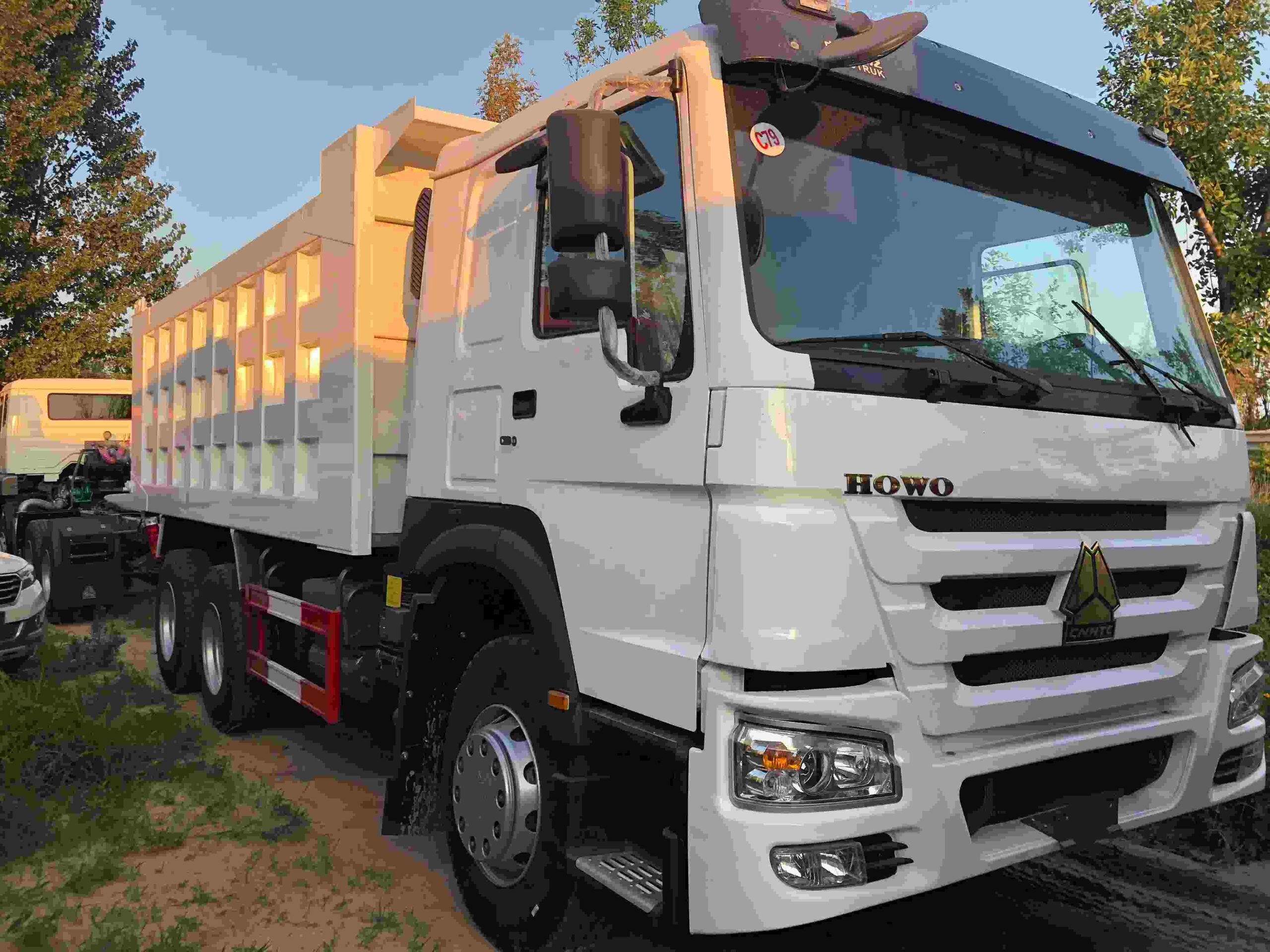
What Type of Used Diesel Truck Do You Need?
Diesel trucks span several classes. Sorting out the class first saves time because a pickup, a medium-duty rigid truck, and a tractor are built for very different jobs.
Diesel Pickup Trucks
Diesel pickups work well for personal transport, light commercial jobs, and regular trailer use. Find the tow rating for the exact engine, axle, and hitch setup. A pickup that has spent years towing may show wear at the hitch, rear suspension, transmission, or cooling system.
Start with the service file. Look for oil changes, fuel-filter replacements, transmission-fluid service, and emissions work. Ask about tuning or other modifications, then find out whether the original parts are still available.
Medium-Duty Trucks
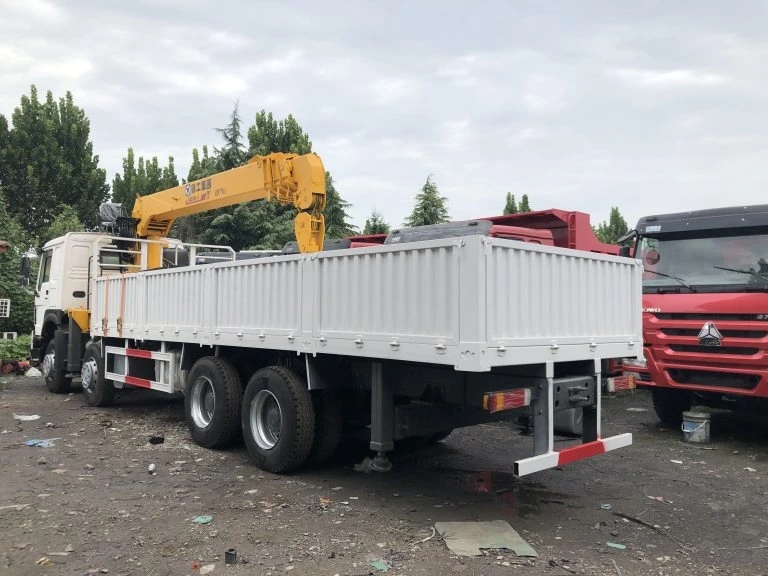
Medium-duty trucks handle delivery, construction support, municipal work, and regional transport. They may carry a box, flatbed, tipper, or another specialist body. That body consumes part of the payload, so look at actual axle weights and the intended load.
Engine hours matter when a truck spent long periods idling or making repeated low-speed stops. Spend time on the frame, suspension, brakes, body mounts, and any hydraulic equipment.
Heavy-Duty Tractor Trucks
Heavy-duty tractors are built for semi-trailer work. Before viewing one, get comfortable with terms such as fifth wheel, kingpin, axle configuration, gross combination weight rating, and air-brake system. Suitability comes from the trailer and route as much as from the tractor.
Look at fifth-wheel movement, locking jaws, mounting bolts, rear-axle seals, differential noise, and tire matching. Export buyers should confirm steering position, registration documents, emissions requirements, and destination-country rules before arranging transport.
Vocational Diesel Trucks
Vocational trucks spend their lives on construction sites, in quarries, forests, and industrial yards. Ground clearance, suspension strength, cooling performance, and axle layout deserve close attention. The underside often tells the story, so look for impact marks, bent components, corrosion, and fresh welding.
How Much Should You Budget for a Used Diesel Truck?
The budget starts with the purchase price and continues through the first repairs and operating costs. Leave room for inspection, registration, insurance, tires, fluids, filters, brake work, batteries, and unexpected repairs. An imported truck may add shipping, port handling, customs work, and destination-market modifications.
Estimate the first year’s ownership cost. Parts availability matters when the truck will work far from its original market, and immediate tire, suspension, or emissions work can quickly change the value calculation.
Ask for a written list of included equipment and known defects. Any promised repair or replacement part belongs in the purchase documents.
What Mileage and Engine Hours Are Acceptable?
No single mileage cutoff works for every used diesel truck. A highway tractor with regular service can show a different wear pattern from a pickup that made short trips, towed often, or missed maintenance.
Engine hours give the odometer some context. Long idle periods affect cooling, fuel, and emissions systems. Stop-start work puts its own strain on the drivetrain and brakes. Ask how the truck was used and whether the mileage agrees with the service history.
Read the oil-change intervals, filter replacements, major repairs, engine hours, inspection reports, and diagnostic records as one file. A higher-mileage truck with traceable maintenance can be worth a close look. A low-mileage truck with missing records still needs a careful inspection.
What Should Beginners Check on a Used Diesel Truck?
Follow the same inspection order for every candidate. A written checklist keeps missing evidence visible when a promising vehicle starts to feel like the one to buy.
Documents and Vehicle History
Match the VIN or chassis number on the truck to the registration, title, inspection report, and sales documents. Confirm the production year, engine, axle layout, ownership status, and recorded mileage. Ask about accidents, imported parts, non-factory modifications, and previous commercial use.
Maintenance invoices should identify the vehicle and describe the work. Gaps around major repairs, or differences between the paperwork and photographs, need an explanation.
Cold Start, Smoke, and Blow-By
Ask to see the engine start from cold. Listen for extended cranking, uneven idle, unusual knocks, and warning lights. White, blue, or heavy black smoke can have several causes, so persistent smoke deserves a proper diagnosis before you assess the truck.
Blow-by is combustion gas entering the crankcase past the piston rings. Some pressure is normal. Excessive pressure needs a mechanic’s test, and an oil-filler-cap video cannot diagnose an engine on its own.
Forced-Induction and Fuel System
During acceleration, listen for abnormal forced-induction noise, air leaks, or lost boost. Inspect fuel lines, the injection system, and the area around the injectors for leaks or contamination. Diagnostic results and recent repair invoices matter when the truck has had boost-system or fuel-system work.
Transmission, Axles, and Driveline
The transmission should engage promptly and shift cleanly. On the road, listen for vibration under acceleration, clunks when changing direction, and gear noise that rises with speed.
Look at axle seals, differential housings, driveshaft joints, and mounting points. On a tractor truck, include the fifth wheel and air connections. A clean engine start does not rule out a driveline problem that limits towing.
Frame, Rust, Suspension, and Tires
Look beneath the truck for cracks, severe corrosion, impact damage, and non-standard welding. Check spring packs, airbags, bushings, wheel bearings, and suspension mounts. Fresh paint over a repaired area should prompt questions about the repair method and the underlying condition.
Uneven tire wear can point to alignment, suspension, or axle issues. Check tread, tire matching, and the spare’s age and condition. Add tire replacement to the first-year budget when wear is close to the limit.
Emissions and Electrical Systems
Depending on the vehicle and market, a diesel truck may use a diesel particulate filter (DPF), exhaust gas recirculation (EGR), selective catalytic reduction (SCR), or diesel exhaust fluid (DEF). Warning lights, stored fault codes, regeneration problems, and tampered wiring deserve professional attention.
Deleted or modified emissions equipment may fail the destination country’s rules or create repair problems. Confirm the applicable requirements before purchase.
Which Used Diesel Truck Problems Should You Watch For?
This table gives a practical starting point for a beginner’s inspection file.
| Inspection area | Evidence to request | Risk signs |
|---|---|---|
| Engine | Cold-start video, diagnostic scan, service records | Hard starting, persistent smoke, leaks |
| Turbo and fuel system | Repair invoices, boost test, visual inspection | Whine, weak acceleration, fuel leakage |
| Transmission | Road-test notes, fluid service history | Slipping, delayed engagement, harsh shifts |
| Frame and suspension | Underbody photos, independent inspection | Cracks, severe rust, bent mounts |
| Emissions system | Fault-code report, repair records | DPF, DEF, or warning-light problems |
| Documents | VIN, registration, title, maintenance history | Conflicting identity or missing records |
Non-factory tuning and wiring changes deserve extra questions because they can affect reliability, emissions compliance, insurance, and future repairs. Ask for the modification details and have a technician inspect the work.
How Do You Test Drive a Used Diesel Truck?
Inspect the truck cold when you can. Let it idle long enough to observe oil pressure, smoke, temperature, and warning lights. Drive through the gears, test braking in a safe area, and listen for driveline vibration during acceleration and deceleration.
Include low-speed turns and a route that puts the engine under moderate load. Watch the temperature gauge as the truck warms up. With a heavy vehicle, steering response and brake stability deserve the same attention as acceleration.
For a remote purchase, request dated walk-around and cold-start video, underbody images, diagnostic results, and an independent inspection report. Keep the vehicle identity visible in the material.
How Can Beginners Buy a Used Diesel Truck More Safely?
Before contacting sellers, write down the intended use, loaded weight, route, annual distance, and budget. Send each supplier the same questions and compare the answers in one document.
For an international purchase, confirm the VIN, ownership documents, export paperwork, loading details, steering position, emissions requirements, and destination rules before payment. Keep dated photographs of the chassis number, odometer, tires, and installed equipment.
When building an export shortlist, review used truck listings. Include the intended load, trailer type, route, destination, and required configuration in the inquiry. A specific brief gives the supplier enough information to identify a suitable vehicle and flag a mismatch early.
Choosing a Used Diesel Truck Supplier
Ask which configuration is shown, what condition evidence is available, and which export documents will accompany the truck. The written commercial offer should identify the vehicle, equipment, and agreed condition.
Exportusedtrucks gives international buyers a place to begin a used commercial vehicle search. Describe the towing or transport work in the inquiry, then request vehicle-specific specifications, inspection evidence, and document details before selecting a unit.
FAQ
Q1: What mileage is too high for a used diesel truck?
A: Review mileage alongside engine hours, service intervals, repair history, operating conditions, and diagnostic results. A higher-mileage truck with documented maintenance can be worth inspecting. A low-mileage vehicle with missing records still carries risk.
Q2: Are used diesel trucks expensive to maintain?
A: Maintenance cost depends on the truck class, emissions equipment, parts access, previous use, and current condition. Budget for routine service, tires, brakes, fluids, batteries, inspections, and unexpected repairs before committing to a purchase.
Q3: What should I check first when buying a used diesel truck?
A: Match the VIN and configuration to the documents first. Then inspect the truck from a cold start, review smoke and warning lights, scan for fault codes, check the frame and drivetrain, and complete a road test.
Q4: Is engine hour count important?
A: Yes. Engine hours show how long the engine has run, including stationary periods. Compare hours with mileage and ask whether the truck mainly hauled on highways, idled at work sites, or made frequent short trips.
Q5: Should I get a pre-purchase inspection?
A: An independent inspection is a sensible safeguard for a high-value or imported vehicle. Ask the inspector to cover the engine, emissions system, transmission, axles, frame, suspension, brakes, tires, identity documents, and visible modifications.
