


31-40 Ton Dump Truck Guide: Choosing Capacity for Mining & Construction
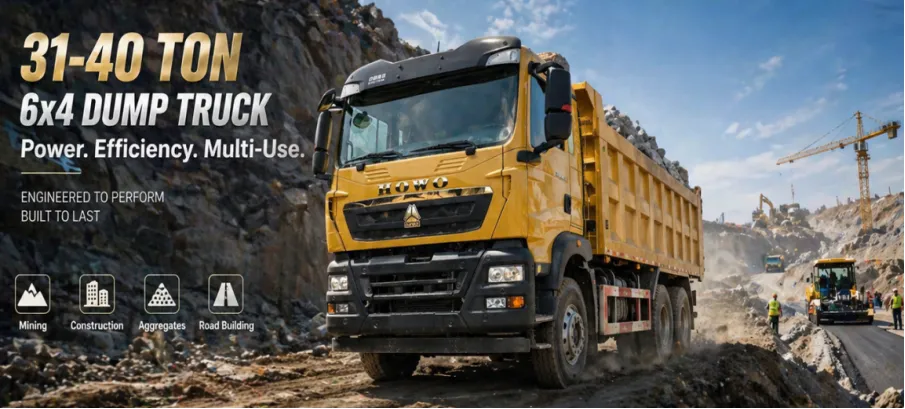
Picking 31–40 ton dump trucks is not just about buying the biggest ride you can afford. On a dirt road or a busy site, the wrong size slows everything down. Too small? You make more trips, burn extra fuel, and tire out your drivers. Too big? The truck might get stuck in soft dirt or block tight roads. So, for folks comparing mining dump truck capacity and construction dump truck size, ask yourself one thing. What truck moves your dirt safely, every day, without breaking the bank?
What Is a 31–40 Ton Dump Truck?
A 31–40 ton dump truck does medium to heavy work. It usually carries dirt, sand, gravel, stone, ore, and junk from building sites. This size sits right in the middle. It holds more payload than tiny site trucks. But, it is much easier to drive than huge off-road haulers.
Many buyers like 31–40 ton dump trucks. They fit well in road paving, rock quarries, and big digging jobs. A normal truck has diesel power, a manual stick shift, and a 6×4 drive layout. It also has a strong cargo box. Look at Tuoda’s 31–40 ton dump truck for sale. It features a 31–40 tons load capacity and 6×4 drive wheels. It boasts 375 horsepower. The box is a 5600×2300×1500 mm cargo box. It uses an 8 mm bottom plate and a 6 mm side plate. These details matter. Steel thickness and box size change how long the truck lasts. It isn’t just about day one.
Common Jobs for This Capacity Range
You might pick this capacity for moving rocks, helping at mines, or building bridges. It works well for housing jobs and big dirt-moving tasks. If your site moves heavy stuff daily, dump truck payload capacity means a lot. It matters way more than looks or a cheap price tag.
Why This Size Is Popular
A 40 ton dump truck cuts down your trips on long drives. A smaller truck feels cheaper at first. But making five extra trips a day costs you. Fuel, tires, and lost time add up fast.
How Should You Match Capacity with Material Type?
Your dirt decides the truck. It sounds easy, but many folks skip this. A full box of dry dirt is not like a full box of wet sand or hard rock. You must look at volume and weight together.
Light Materials Need Box Volume
For loose sand, dry soil, and mixed trash, cargo volume is key. A 20 m³ cargo box holds a lot of light stuff. Still, you have to watch your legal weight limit and axle load.
Heavy Materials Need Payload Strength
For ore, wet rocks, and heavy concrete chunks, dump truck capacity for heavy materials is what matters most. Do not just ask about cubic meters. Ask, “Can the frame, brakes, tires, and axles handle this heavy weight all day long?”
A Simple Rule
If your loads are heavy, pick by tons first. If your loads are light but huge, check dump truck load capacity and volume together. This easy habit saves you from broken truck beds and huge repair bills later.
How Do Road Conditions Affect Dump Truck Capacity?
One truck can act very differently on two sites. A flat paved road is a breeze. A muddy path after rain is hard. In real life, capacity only helps if the truck can drive, turn, climb, and stop safely.
Flat Roads Allow Higher Efficiency
On hard roads, a 6×4 dump truck is very smart. It hauls heavy loads. At the same time, it keeps your running costs low. For road jobs and flat sites, this setup is plenty.
Steep or Soft Roads Need Extra Care
Does your site have steep hills, soft mud, or bad turns? If so, check dump truck road condition requirements first. A truck hauling near 40 tons needs great grip, strong brakes, and big engine power. Tuoda states its diesel engine climbs well under heavy loads. It drives nicely on flat roads too. This helps buyers who work on mixed ground.
Tight Sites May Not Need the Largest Truck
In a busy city site, a giant truck wastes time. It needs a lot of room to turn. It might block other machines. Bigger is not always better. Sometimes, the best truck is the one that keeps things moving.
How Can Haul Distance Change Your Choice?
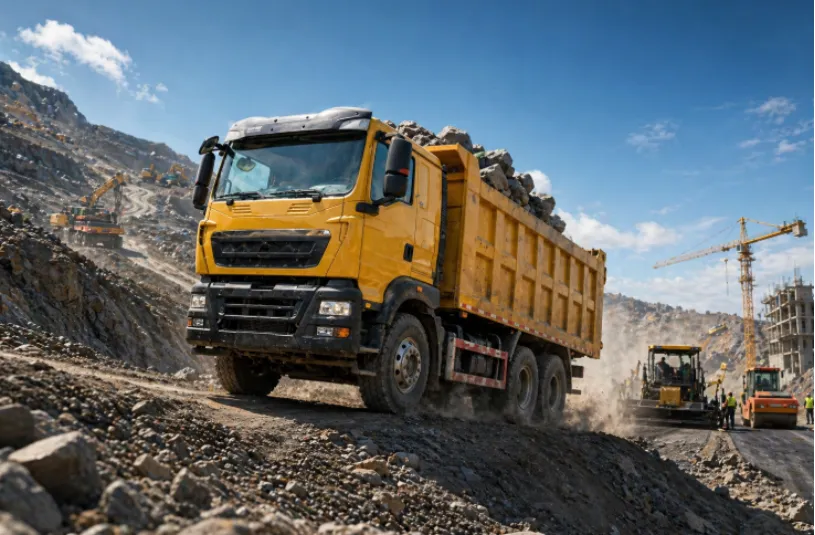
Distance changes your math. A short trip inside one site needs fast loading and easy turns. A long trip from a rock pit to a plant needs a big payload and nice seats for the driver. It also needs good fuel control.
Short-Haul Work
For quick, short trips, your construction dump truck size must match your loader. It should fit the road width too. If your truck just sits and waits to get loaded, its huge capacity is useless.
Long-Haul Work
For long mining trips, the best dump truck capacity for mining projects means fewer runs per shift. A bigger payload lowers your cost per ton. This is very true when the road is smooth and loading is fast.
Why Does Loading Equipment Compatibility Matter?
Your truck and loader are a team. If the loader bucket is tiny, filling a giant truck takes forever. If the loader is too rough, it beats up the cargo box daily. Here, dump truck loading equipment compatibility becomes a true money issue.
Match the Box to the Loader
Look at the cargo box height, width, and length before you buy. Look at the hydraulic lifting part, too. The box must load clean and dump safely.
Check Steel Thickness
For hauling big rocks, bottom and side plate thickness mean a lot. Thin steel looks pretty in pictures. But the job site tells the real truth very soon. A strong box is not just nice to have. It is a must.
How Should You Compare Operating Cost?
The buying price is just one number. Dump truck operating cost covers fuel, tires, oil changes, parts, and driver pay. A cheap truck becomes very pricey if it breaks down during a busy week.
Fuel and Trip Count
Look at dump truck fuel consumption by checking the cost per ton. Do not just look at the cost per mile. A big truck drinks more fuel per trip. But, taking fewer trips still saves you cash.
New vs Refurbished Dump Truck
For many, picking a new vs refurbished dump truck is all about the budget. A refurbished dump truck is great if it gets checked and fixed right. Tuoda is a used commercial truck exporter in China. They have a big product range. They sell dump trucks, tractors, mixer trucks, and flatbed trucks. They test things like vehicle appearance, interior checks, engine checks, chassis checks, and electrical system checks. They also help with export qualification support and after-sales service. Their network covers many dealers. This helps you compare choices easily. For folks wanting a cost-effective dump truck for construction projects, good seller support is just as vital as horsepower.
When Is a 31–40 Ton Dump Truck the Right Choice?
A 31–40 ton dump truck for mining fits great if you haul heavy rocks daily. It is perfect if your road is tough and your loader is fast. A 31–40 ton dump truck for construction works well for steady hauling. You still get normal road moving and easy turning.
You might not need this size if your site is super narrow. If your ground is muddy or you do not move much dirt, go smaller. But when you want to balance payload, strength, and money, 31–40 ton dump trucks make total sense.
If you are looking at a used dump truck for mining and construction, check things closely. Look at capacity, cargo box size, steel thickness, and engine power. Check the 6×4 drive wheels and steering side. A few smart questions now stop huge bills later.
FAQ
Q1: What Is the Best Dump Truck Capacity for Mining Projects? A: The best dump truck capacity for mining projects changes based on dirt weight, road strength, and loader size. For smaller mines, a 31–40 ton dump truck for mining gives a great mix of payload and running cost.
Q2: What Is the Best Dump Truck Capacity for Construction Projects? A: The best dump truck capacity for construction projects depends on tight roads, dirt type, and trip counts. A 31–40 ton dump truck for construction fits well when you need big hauls but still drive on normal roads.
Q3: Is a 6×4 Dump Truck Suitable for Heavy-Duty Hauling? A: Yes. A 6×4 dump truck is great for normal road building and quarries. It runs best on hard roads. Super muddy or steep sites might need a totally different truck.
Q4: Should You Buy a New or Refurbished Dump Truck? A: A refurbished dump truck is smart if a pro checks it well. It needs fixed parts and clear papers. It drops your upfront cost but gives you big hauling power.
Q5: How Do You Choose Dump Truck Capacity Without Overpaying? A: To learn how to choose dump truck capacity, start with your dirt’s weight. Look at daily volume, road types, and loader sizes. Do not just buy by size. Buy what fits your real job.
