


Used HOWO 371HP vs 420HP: Choose the Best Tractor Head
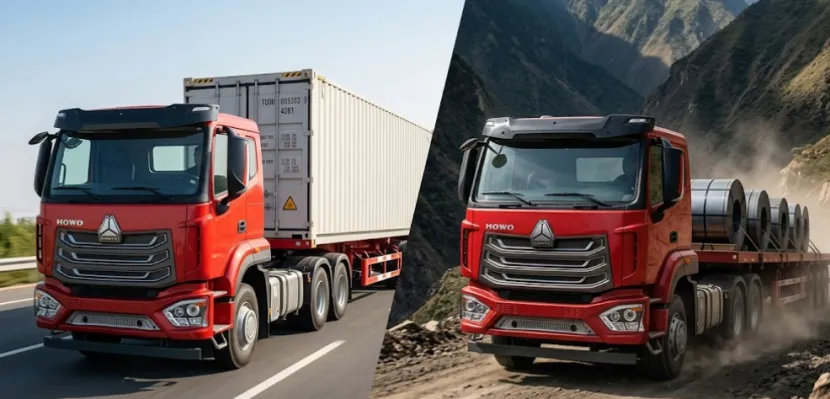
When you compare HOWO 371HP vs 420HP, the real issue is not bragging rights. It is whether your truck can carry the load you actually run, on the roads you actually face, without burning money where it does not need to. On Tuoda’s product page, the current tractor head listing shows a 6×4 layout, 371 hp, Euro 2 emission level, a 300-liter fuel tank, and a load range of 40 to 60 tons. That already tells you this is a working truck built for freight, not a light-duty shortcut.
A quick note on the supplier matters too. Tuoda is not just listing trucks online and hoping for inquiries. Its site says the company handles used and refurbished commercial vehicles across several categories, runs professional testing and evaluation before export, works through a broad truck sourcing network, and offers after-sales support with service centers in some key markets. The homepage also lists 30 manufacturing bases, 10 regional headquarters, 3,000 suppliers, and 1,000 dealers. For a buyer, that kind of background usually means fewer surprises after payment, which is half the battle in this business anyway.
Quick Answer: HOWO 371HP vs 420HP?
If you need a short answer, here it is. A 371HP tractor head usually fits medium loads, regional routes, and flatter roads. A 420HP tractor head makes more sense when you pull heavier cargo, run longer distances, or spend real time on grades and rough surfaces.
When 371HP Makes More Sense
You should lean toward 371HP when your loads stay in a normal commercial range and your route is predictable. Think building materials, regional container moves, or day-to-day freight where speed is less important than steady cost control. A used HOWO tractor head in this range is often easier on the purchase budget, and that matters when you are buying more than one unit.
When 420HP Makes More Sense
You should look at 420HP when payload climbs, hills become normal, or your driver cannot afford power drop on long stretches. For tanker work, heavy cargo, and cross-border runs, extra horsepower gives you more breathing room. That does not solve every problem, but it can make a truck feel less strained when the route gets ugly.
Why Does Horsepower Choice Matter?
Horsepower is tied to profit more than many buyers expect. The wrong match shows up in fuel spend, trip time, wear, and driver fatigue. A truck that feels fine on paper can become a slow, expensive machine once it hits a steep road with a full trailer.
Cargo Weight and Route Shape
This is where many buying mistakes start. If your truck spends most of its life on flat highways with moderate loads, 371HP may be enough. If you run bulk cargo or long climbs, the best HOWO tractor head for heavy cargo is usually the higher-power option. You do not need maximum power for every job, but you do need enough power for the worst day on your route.
Fuel Cost and Daily Pace
Some buyers assume a lower-horsepower truck always saves fuel. Not always. A truck that works too hard can lose pace and burn more than expected under load. If you keep asking a smaller engine to haul heavy cargo on hills, the “cheaper” choice may stop being cheap pretty fast.
Which Tractor Head Fits Your Cargo?
Cargo type matters because weight is only part of the story. A steady load on smooth pavement is one thing. Stop-and-go work with rough surfaces is another. You need to match power to how the truck actually earns money.
Medium Loads and Regional Work
For cement bags, farm goods, packaged freight, and normal regional delivery, a used HOWO tractor truck with 371HP is often a practical fit. It keeps your entry cost lower and still gives you a proper tractor setup for daily work. If your lanes are mostly flat, you may not feel much benefit from stepping up.
Heavy Loads and Long-Haul Work
For aggregates, steel, fuel transport, or long trailers that stay near full weight, 420HP becomes more attractive. A HOWO tractor head for long-haul transport needs reserve power, especially when road speed matters. On those jobs, the bigger engine is not about show. It is about keeping the truck moving at a useful pace.
Which Tractor Head Fits Your Terrain?
Road condition changes the whole decision. The same truck can feel strong on a good highway and tired on a broken road. That is why this comparison should never stop at horsepower alone.
Flat Highways
On flatter routes, a 6×4 HOWO tractor truck with 371HP can still do serious work. The 6×4 layout gives you traction and carrying confidence, while the lower power option may keep your upfront cost in a safer range. For many buyers, that is the right balance.
Mountain Roads and Rough Ground
If you are choosing a HOWO truck for mountain roads, 420HP is usually the safer call. Climbing with a full load is where weak matching gets exposed. Rough quarry roads, mixed terrain, and long hill sections all favor more pulling power. Drivers notice it. So does your schedule.
What Does the Product Page Tell You?
The nice thing about the HOWO tractor truck page is that it gives you several useful signals right away, not just one headline number. That helps you read the truck as a whole machine.
Specs That Matter in Real Use
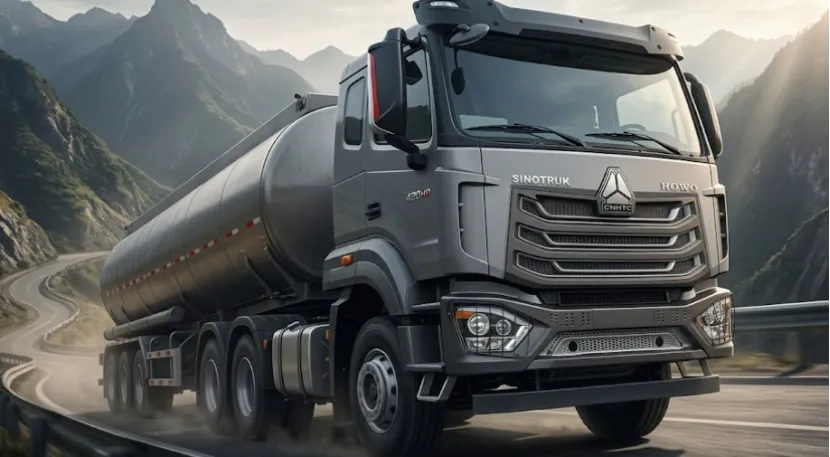
The page lists a 6×4 drive type, 371 to 420 engine horsepower, and 40 to 60 tons of load capacity. It also shows a 371 hp example with Euro 2, a 300-liter fuel tank, and a refurbished tractor position in the catalog. The benefits section adds another practical point: the vehicle is promoted as a refurbished unit with lower purchase cost and more economical later maintenance. That matters if your first concern is return, not showroom shine.
How Should You Read Cost and Reliability?
Price alone is easy. Real ownership cost is not. You are buying a truck to work, and work means inspection quality, supply access, and support after export. This is the less glamorous part of the deal, but it is often the part that saves you later.
Upfront Cost vs Work Intensity
If your operation is moderate, 371HP may be the smarter buy simply because it costs less to get on the road. But when work intensity rises, a 420HP truck may pay back the extra spend through better trip consistency and less strain. There is no magic answer here. The route tells the truth.
Service Support After Export
Tuoda’s site says exported trucks go through professional inspection covering appearance, interior, engine, chassis, and electrical system. It also says the company provides technical support and maintenance guidance after export, with service centers in some key markets. For overseas buyers, that is not a small detail. It can mean less downtime when a real issue shows up.
FAQ
Q1: Is 371HP enough for heavy cargo?
A: It can be enough for some heavy work on flatter roads, but for frequent full-load hauling, 420HP is usually the safer choice.
Q2: Is 420HP better for mountain roads?
A: Yes. If you regularly drive on grades, rough ground, or mixed terrain, 420HP gives you more pulling margin.
Q3: Which option is better for a new fleet buyer?
A: If budget is tight and routes are moderate, start with 371HP. If your jobs are varied or demanding, 420HP may save trouble later.
Q4: Is a used HOWO tractor truck a good export choice?
A: It can be, especially when the truck has been inspected well, matched to your route, and backed by after-sales support.
Q5: What should you check before buying?
A: Focus on drive type, horsepower, load range, emission level, fuel tank size, inspection records, and post-sale support. Those points tell you much more than photos do.
