


Why Ready-Mix Fleets Choose Refurbished Mixer Trucks in 2026
Is the 2026 Global Infrastructure Surge Leaving You Behind?
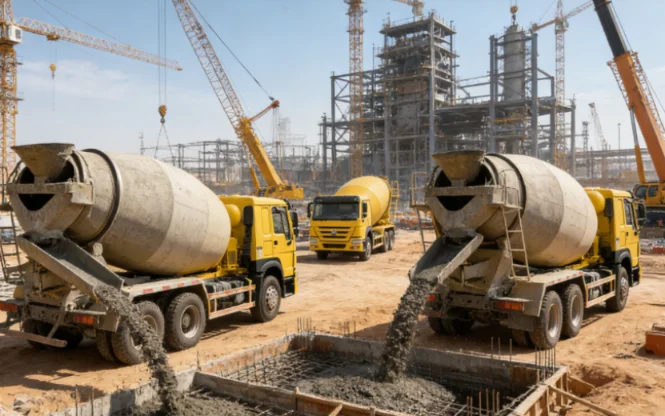
You look at the news and see massive projects kicking off everywhere. The 2026 global infrastructure surge is in full swing right now. Saudi Arabia is pushing hard on its desert mega-cities, pouring millions of cubic yards of concrete for foundations that stretch for miles. Southeast Asia is dumping billions into new transit networks and port expansions. Africa is experiencing an aggressive wave of urbanization, building out dams, bridges, and housing developments at a pace nobody predicted a decade ago. The ready-mix concrete market growth is honestly staggering right now. Industry data shows demand for concrete transit mixers is hitting record levels globally. But here is the dirty little secret of this construction boom. Having a huge pile of projects to bid on does not mean you actually win them. You need the rolling stock. You need it on the site yesterday. And the traditional supply chain is basically telling you to take a number, sit down, and wait.
What Are the Real Pain Points for Ready-Mix Fleets Today?
Running a ready-mix business right now feels like being stuck in a shrinking room. You have site managers screaming for volume on one side, and your finance team crying about interest rates on the other. The gap between what the market demands and what your fleet can actually deliver is getting wider every single day. Let’s look at exactly what is breaking the traditional heavy equipment model and why the old way of doing things is failing so many fleet operators.
The Trap of Long Equipment Delivery Times
You finally win a lucrative highway segment. You celebrate for about five minutes. Then the contractor tells you they want the first massive pour in three weeks. You call your regular dealership to order five new units to handle the extra load. The sales rep casually mentions an eight to nine month lead time. Maybe ten if there are lingering supply chain hiccups with the engine manufacturers. It is totally absurd. Long equipment delivery times are outright killing your ability to take on new work. You cannot hold a multi-million dollar bid together if you cannot get the iron on the ground. By the time those brand new trucks finally roll off the assembly line and clear customs, the project is already halfway finished by your competitor. The competitor who somehow had the vehicles ready to go. The opportunity cost of waiting for new equipment is just too massive to ignore anymore.
The Capital Crunch in Construction
Then there is the harsh reality of the money side. The capital crunch in construction is a very real nightmare right now. Borrowing money is expensive. Tying up millions of dollars in brand new, rapidly depreciating assets destroys your operational cash flow. You need that liquid cash for aggregate, for cement, for payroll, and for fuel. If you drop all your available capital on a few shiny new trucks, your competitive bidding advantage completely vanishes because your daily overhead is suddenly through the roof. You simply cannot price your concrete aggressively to win the tough bids if you are stuck paying off massive high-interest loans on heavy machinery. It puts you at a severe disadvantage against leaner operations.
How Can Refurbished Concrete Equipment Save Your Bids?
This is exactly why smart fleet managers are entirely changing their playbooks this year. They are finally realizing that the shiny metal badge on the front grill does not mix the concrete. The drum and the hydraulic system do. Stepping away from the new dealership lots and actively looking into refurbished concrete equipment is becoming the primary strategy for companies that actually want to scale up and capture market share right now.
Immediate Deployment for Heavy Construction Equipment Demand
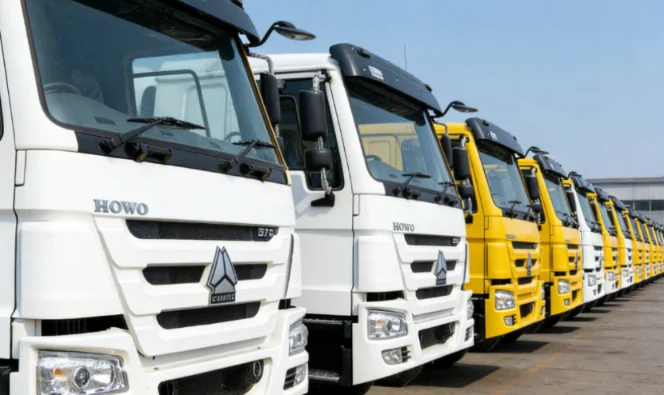
Speed wins contracts in this business. Period. When you are fighting for a piece of the Middle East infrastructure projects or trying to get a slice of the Southeast Asia construction boom, the general contractor only cares about your volume capacity today. Not next year. Refurbished mixer trucks are sitting in yards right now, fully prepped and ready to ship. You make the deal, sort out the import paperwork, and those trucks are on a flatrack or roll-on/roll-off vessel headed straight to your batch plant. You literally cut the waiting time from three quarters of a year down to just a few weeks. This sheer speed to market lets you say yes to tight deadlines and emergency pours that other, slower suppliers are forced to walk away from.
Capital-Efficient Fleet Expansion
Buying refurbished machinery is not just about getting trucks onto the site fast. It is fundamentally about keeping money in your pocket and protecting your margins. You can typically acquire two solid, field-ready refurbished trucks for the exact same price as one single new unit. This capital-efficient fleet expansion means you take on significantly less bank debt. When your monthly equipment finance payments are cut in half, your baseline operational cost drops dramatically. That is exactly how you win the tight bids. You walk into the negotiation room fully knowing your truck overhead is vastly lower than what the other guy is dealing with. Plus, you already know job sites are absolutely brutal environments. A truck is going to get scratched, coated in cement dust, and dented in the very first week anyway. Paying a massive premium for a flawless factory paint job never really made much sense in the ready-mix world.
Where Do You Find Reliable Refurbished Mixer Trucks?
The shift to refurbished fleets only makes sense if the equipment is actually tough and reliable. You cannot afford catastrophic breakdowns during a massive, continuous bridge deck pour. That means you need a partner who actually rebuilds the trucks properly, not just some broker who gives them a quick power wash and a cheap coat of paint. You need real mechanics doing serious work on the hydraulics, the drums, and the heavy drivetrains.
This is exactly where knowing the right supplier makes all the difference in the world. If you are looking to scale up your fleet without the usual headaches, you should really look into Tuoda. They have built a rock-solid reputation globally for supplying heavy machinery that goes straight to work the minute it rolls off the trailer. Tuoda specializes in high quality refurbished mixer trucks, completely stripping them down and meticulously rebuilding the core operating components so they perform just like new units. They intimately know the harsh, unforgiving conditions of places handling rapid urbanization in Africa and the intense, dusty heat of the Middle East. Because they focus heavily on export and practical field performance, their mechanics replace worn hydraulic pumps, service the planetary gearboxes, and reinforce the mixing drums before anything ever leaves their facility. It is a completely different level of quality control compared to buying blindly from random local auctions. You can see their full inventory and exactly how they process their machinery over at their official site. They essentially give you the daily reliability of a brand new truck, but at a price point that keeps your accountant and your investors very happy. It is a straightforward, no-nonsense way to get the heavy iron you need for those big bids without waiting around for half a year.
FAQ
Q1: Why are new mixer trucks taking so long to deliver in 2026?
A: The global supply chain for heavy truck chassis and specialized hydraulic components is still heavily backlogged. Combined with the massive spike in heavy construction equipment demand worldwide, manufacturers simply cannot produce units fast enough, resulting in six to nine month waits.
Q2: Do refurbished mixer trucks break down more often than new ones?
A: Not if they are properly rebuilt. A true refurbishment process replaces the high-wear items like hydraulic pumps, hoses, and drum rollers. When done correctly by a reputable exporter, the daily uptime is virtually identical to a brand new truck rolling off the factory floor.
Q3: How much money can you actually save by buying refurbished ready-mix fleets?
A: While exact prices vary based on the truck’s capacity and chassis brand, buyers typically save between 30% to 50% compared to new sticker prices. This massive reduction in capital expenditure drastically improves your cash flow and makes your bids much more competitive.
Q4: Can you get parts easily for refurbished concrete equipment?
A: Yes, absolutely. Most high-quality refurbished trucks are built on universally recognized, major brand chassis. This means you can source engine parts, filters, and brake components from your local heavy truck parts suppliers without any special international orders.
Q5: How fast can refurbished trucks be deployed to an international job site?
A: Because the trucks are already built and sitting in inventory, the timeline is purely based on shipping logistics. Instead of waiting eight months for manufacturing, you are usually just looking at a few weeks for ocean freight and customs clearance before the trucks hit your batch plant.
