


Tractor Truck vs Dump Truck: Which One Fits Your Business?

Running a logistics or construction business means your fleet keeps everything moving. Picking the right vehicle can feel tough. That’s especially true when you compare tractor trucks and dump trucks. Both are strong workhorses. Yet they handle different jobs. Understanding how each one works in your setup can cut down on time, fuel, and cash in the long run.
If you’re thinking about buying a used or fixed-up vehicle for your company, check out suppliers with real know-how. Liangshan Tuoda International Trade Co., Ltd. focuses on shipping top-notch refurbished heavy trucks worldwide. It’s in China’s biggest spot for trading used vehicles. Tuoda has a wide selection. This includes dump trucks and tractors. Each one gets a close check by skilled pros. Plus, they give solid after-sales help and shipping support. That makes them a reliable choice for companies growing their fleets in various fields.
Functional Differences Between Tractor Trucks and Dump Trucks
Every vehicle has its main role. Whether you need to pull stuff to a build site or ship goods over borders, it’s key to pick the truck that matches the work.
Core Purpose and Usage Scenarios
A tractor truck forms the base for long trips carrying freight. It doesn’t hold goods on its own. Instead, it pulls trailers you can take off. This setup suits logistics firms that shift loads over hundreds or thousands of kilometers. You can hook up different trailers. For example, flatbeds, tankers, or coolers based on the task.
Dump trucks get made to haul loose bulk items like sand, gravel, or wrecking rubble. Their beds tilt with hydraulic power for fast dumping. That fits them well for building work, mining, or dirt-moving tasks in nearby spots. So, if your jobs mean lots of stops and short runs to rough or tight sites, a dump truck often works better.
Flexibility in Operation
Tractor trucks stand out for their switchable parts. They can pull all sorts of trailers. This gives them great adaptability. It’s perfect for businesses with changing customers or routes.
Dump trucks focus on one thing. Their beds stay put. They come with hydraulic lift setups. Sure, this cuts their range of uses. But it boosts their speed at moving bulk stuff. Take the HOWO TX dump truck. It holds 31–40 tons. It has tough build and quick dump features. That’s just right for shifting big amounts in hard spots. The Sinotruk HOWO refurbished dump truck serves as a strong helper in engineering hauls.
Vehicle Design and Performance Characteristics
Aside from what they do, these truck kinds vary a lot in build and what they can take on the mechanical side.
Structure and Mechanical Configuration
Tractor trucks have a cab linked to a fifth-wheel setup. That locks onto different trailer styles. The fifth-wheel lets them drag heavy weights. At the same time, they stay easy to steer on main roads.
Dump trucks form one solid piece. They include a cab and an open-box bed on the frame. The bed tips via hydraulic rods for speedy unloading. This build choice makes dump trucks sturdier. But they’re less flexible than tractors.
Load Capacity and Hauling Power
Tractor trucks usually manage 20–40 tons. Their engines run from 400 to 600 horsepower. They’re set up for far trips. And they’re tuned for good efficiency per ton and mile.
Dump trucks handle 10–25 tons most times. Engines go from 300 to 500 horsepower. Some, like the HOWO TX, go beyond that. They trade distance for power in quick pushes. That’s great for back-and-forth site runs.
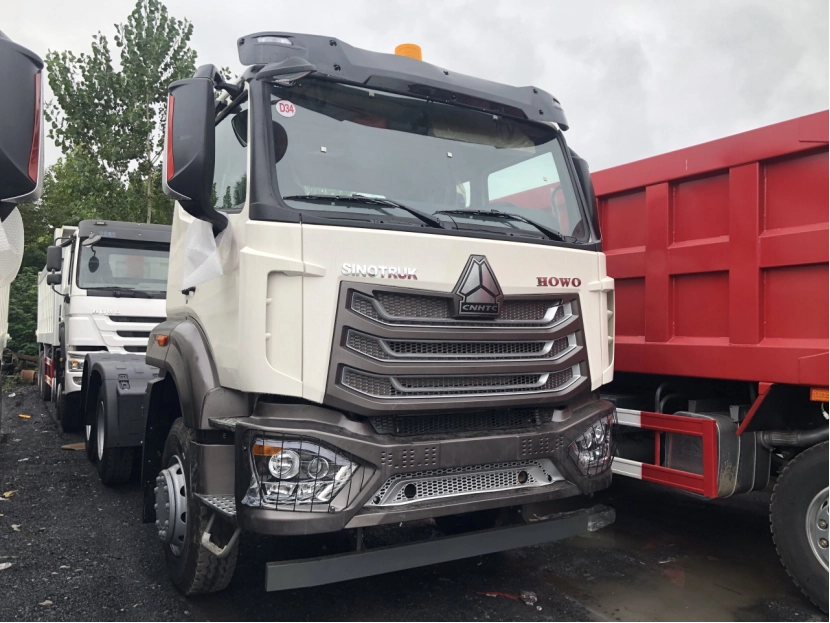
For instance, the HOWO NX tractor truck manages up to 60 tons. It has a solid frame and comfy cab. The frame gets strict checks for strength and support. Overall, it shows good build and carrying power.
Maneuverability and Road Conditions
Dump trucks do well away from pavement. Their ride systems get beefed up to handle bumpy ground, wet trails, and build zones. They keep steady no matter what.
Tractor trucks work best on smooth roads. Their turn space and ride setup suit highways and kept-up paths. They don’t fit as well on rocky or slim job areas.
Operational Costs and Maintenance Considerations
The starting price is only part of it. Running these rigs smoothly over years means watching fuel use, fixes, and part swaps.
Fuel Efficiency and Consumption Rates
Tractor trucks often use fuel smarter when you figure per ton-mile. This holds true on highways with steady paces. They’re made for long ways.
Dump trucks use more gas. That’s from constant starts and stops, waiting at spots, and hard pulls on hydraulics. Still, short paths can offset some costs. Especially if your work stays close by.
Routine Maintenance Requirements
Both kinds call for steady checks. Things like oil swaps in the engine, brake looks, and tire watches are usual for all.
That said, dump trucks need extra watch on their hydraulic parts. Drips or bad cylinders can cause pricey halts if you skip early fixes. Their tires also wear out quicker on rough spots.
The crew uses modern test gear and smart check ways. They do full and close reviews on each used truck headed out. That helps pick the best ones.
Business Use Cases: Which Suits Your Industry Better?
Deciding between these truck types comes down to your field. Nothing else matters as much.
Logistics and Freight Companies
If your firm ships items between towns or over country lines, tractor trucks bring more worth. You can leave one trailer and grab another fast. That speeds up logistics work. In fields where time counts big, this quick switch cuts waiting around.
The swap trailer system also lets one tractor do many tasks. You don’t need separate trucks for each kind of job.
Construction, Mining, and Earthmoving Operations
For outfits that shift heavy stuff each day in set areas—like rock pits or build sites—a dump truck makes more sense. Their simple dumping raises output per run.
Fast swaps at work spots speed up projects. Labor bills go down too. These little wins build up fast over time.
Cost Analysis: Purchase Price vs Long-Term Value
Going new or used shifts your return on money a lot. Let’s look at starting costs and what you get back later.
Initial Investment Comparison
New dump trucks run $100K–$140K usually. New tractor trucks hit $120K–$160K based on setup.
If money’s tight or you’re trying new jobs or places, used ones might fit better. Fixed-up models from spots like Tuoda cut costs by thousands. They match new performance close enough.
We scan the country for top used trucks in good shape. This gives buyers lots of picks. It keeps steady stock and fair prices too.
Resale Value Over Time
Tractor trucks hold their worth longer often. They fit many fields. The changeable design keeps them useful as things shift.
Dump truck trade-back prices tie close to use and damage. Key is the state of hydraulics and bed frames.
Choosing Between New vs Used Options
Used trucks can give great bang for your buck if picked right. But get them from trusted sources with firm fix-up rules.
When Buying Used Makes More Sense
For companies growing slow or stepping into new spots, used gear lowers money risks. It lets you run full speed anyway.
Once the truck ships out, we offer ongoing tech aid and fix tips. Such after-deal trust eases worries about buying fixed gear.
Compliance Requirements and Licensing Implications
Sticking to rules is a must for running business vehicles over areas.
CDL Classifications by Vehicle Type
Both dump trucks and tractor trucks mostly need a Class A or Class B Commercial Driver’s License (CDL). Class A fits combos with trailers over 10,000 lbs. That’s vital for tractors with big pulls. Class B suits single rigs over 26,000 lbs, like big dump trucks.
You might need extra tags if hauling risky stuff or big loads.
Safety Equipment Regulations
Rules call for things like glow tape, reverse buzzers, under guards, and right lights on both types.
For dump trucks in particular, lift setups must follow safety steps. This stops mishaps while dumping. It’s key on slants or bumpy land.
FAQ
Q1: What is the main difference between a tractor truck and a dump truck?
A: A tractor truck pulls trailers for freight transport, making it ideal for long-distance hauling. A dump truck, on the other hand, is designed to haul bulk materials like sand or gravel and has a hydraulic lift for quick dumping, making it suitable for construction or site work.
Q2: Can I use a used tractor or dump truck?
A: Yes, used trucks can be a great option. It’s important to choose a trusted supplier who thoroughly inspects and refurbishes the vehicles to ensure they perform well.
Q3: How fuel-efficient is a dump truck?
A: Dump trucks generally have lower fuel efficiency due to frequent starts and stops, as well as the power needed for hydraulic systems. However, for short-distance work, fuel consumption can be somewhat offset by the shorter travel times.
Q4: Are the maintenance costs for tractor trucks high?
A: Tractor trucks generally have lower maintenance costs, especially for long-distance use, as they are built for fuel efficiency. However, regular checks on the engine, brakes, and tires are still essential.
Q5: How do I choose the right truck for my business?
A: If your business requires long-distance transport and flexibility, a tractor truck is the better option. For material transport within construction sites or other localized areas, a dump truck is the more suitable choice.
