



Used HOWO Dump Truck Inspection Guide: What Every Buyer Should Know
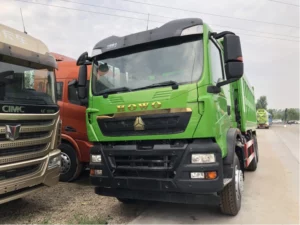
Getting a used HOWO dump truck can save you money when you grow your fleet. But you need to know what to check. Many companies hurry and buy trucks with secret problems. These issues might involve mechanical faults or tired structures. A good inspection looks deeper than the outside. It checks the parts that handle tough work. This guide covers each key area you should examine.
For solid used dump trucks, think about Liangshan Tuoda International Trade Co., Ltd. They work from China’s biggest spot for second-hand vehicles. The company focuses on fixed-up commercial trucks ready to ship out. Their skilled testing crew does full checks. They also offer strong after-sales help. This way, buyers from other countries dodge bad surprises. Visit their official site to see stock and services.
Exterior and Structural Assessment
Checking the Frame and Body for Damage?
The frame of a dump truck holds the load. It also takes the strain from rough ground. Rust spots, weld fixes, or breaks in the chassis might show past overloads or crashes. Look hard at the subframe. Any clear repairs could mean breaks from heavy jobs. Focus more on the dump box. Uneven bumps or bent panels suggest old tipping accidents. Or the truck got pushed too hard.
Try the tailgate locks and lift hinges by hand too. If they don’t line up or move stiffly, parts might be worn. Or upkeep was poor.
Tire Condition and Suspension Health?
Tires show a lot about the truck. Uneven tread wear often points to suspension trouble. It might not spread weight right. This could come from bad bushings or a twisted axle. Different tire types on axles hint at spotty fixes. Not steady care.
Look at suspension parts like leaf springs and shocks. They should not sag or have oil marks. Leaking shocks fail to handle bumps well. That’s trouble for dirt roads.
Engine and Powertrain Inspection
Evaluating Engine Performance and Wear?
Begin with a cold engine. It tells more than a warm one. Thick smoke on start-up may mean inside wear or bad injectors. A knocking noise inside is bad. It could signal piston problems or worn bearings.
Pull the dipstick to see engine oil. Milky color means coolant mixed in. Often from a broken head gasket. Belts need to fit tight without splits. Hoses should not feel hard or crackly.
Transmission and Gearbox Functionality?
Test all gears, including reverse and low ones if there. Grinding noises or slow shifts point to wear inside the transmission. Check under for oil drips near the gearbox. Those suggest leaks from seals.
The clutch pedal must work smooth. No slip when you speed from a stop. If it feels soft or hard, air might be in the lines. Or parts are worn out.
Hydraulic System and Dump Mechanism
Verifying Hydraulic Cylinder Operation?
Hydraulics turn this into a dump truck. Lift the bed high and drop it slow. Listen for moans or jerky moves. These can mean old seals or dirty fluid.
Look at hydraulic lines for drips, mainly at connections and cylinder bottoms. Low fluid in the tank or dark color shows skipped care. Or wear inside.
Inspecting Control Systems and Safety Locks?
In the cab, try each lever or button for dumping. They ought to work clean without delay or too much push. Remember the safety catches on the bed. They need to hold tight when on. This stops mishaps during fixes.
Electrical System Overview
Lights, Gauges, and Wiring Condition?
Every light must work right: headlights, brake lights, reverse lights, and signals. Watch dashboard gauges when you turn the key. Warning lights flash on short and go off after the engine runs.
Wiring bundles under the dash and by the engine should be whole. Skip trucks with lots of tape wraps. That often hides sloppy fixes over rust.
Brake System Evaluation
Air Brake Functionality Checkpoints?
Start the engine and hear for hisses by brake lines. Air leaks there are risky and pricey to mend. Watch how quick pressure rises. Slow rise means a weak compressor.
On a test drive in open space, hit the service brakes at low speed. The truck stops straight without pulling aside.
Cabin Interior and Operational Controls
Driver Comfort and Control Accessibility?
A ripped seat looks small, but it hints at hard use. Test the seat levers for easy shifts. Check steering wheel wiggle. Too much play suggests loose parts or worn steering.
Ensure extra switches function: wipers, horn, fan, and cab lights. These bits get ignored. Yet they matter for daily drives.
Reviewing Maintenance Records & Vehicle History
What Service Logs Can Reveal About Truck Health?
Regular oil swaps every 10,000 km show good care. But missing logs raise doubts. Was it sitting unused? Or just quick fixes?
Match odometer numbers to part wear. Low miles with slick tires or flat pedals might mean tampered readings.
Common Issues Specific to Used HOWO Dump Trucks
Known Mechanical Patterns to Watch For?
A growl from the back when speeding up could be worn differential gears. They take load stress. Whines or grinds there signal early damage.
Some models face cooling woes. Radiator buildup or belt wear causes heat on long trips.
Older ones might have alternator glitches. Especially in spots with shaky power supply.
Ensuring Long-Term Reliability After Purchase
Preventative Steps Post-Acquisition?
Even if fluids seem fine, swap them all. That includes engine oil, coolant, brake fluid, and hydraulic oil. You don’t know their age. Get a pro check in 30 days. It spots hidden troubles.
Consider add-on parts for bushings or filters. They boost strength in rough spots.
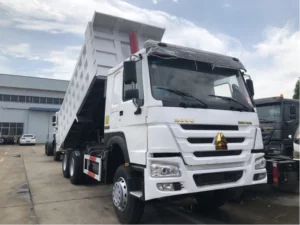
For export-ready picks, the HOWO TX dump truck gives strong power at 371-420 horsepower. It has tough frames and a middle hydraulic lift for big loads. The HOWO 371 dump truck uses a center lift too. Plus 8 mm thick floor plates that hold up in building jobs.
Where to Source Reliable Units Without Risking Scams
Trusted Channels vs Informal Sellers?
Skip sellers who block outside checks. That’s usually a hide-something sign. Go for sites with proven histories and clear shipping steps.
Firms like Tuoda check each truck deep before sending. They cover engine to electrics. Such care helps when buying gear for hard tasks.
You don’t always need perfect. Just a truck with fixable issues that fit your budget.
FAQ
Q1: What mileage range is acceptable for a used HOWO dump truck?
A: Under 100,000 km works best. But looks and care logs matter more than miles.
Q2: Can I test drive before buying from overseas?
A: Exporters often do video checks. Or they let agents drive for you before you buy.
Q3: How long do HOWO dump trucks typically last?
A: With steady care and right use, they run 10–12 years. It depends on roads and loads.
Q4: Are spare parts easy to find internationally?
A: Yes, for common models. Get them from worldwide sellers and approved shops.
Q5: What’s the biggest red flag when inspecting a used unit?
A: New paint just on frame spots. It might mask rust or unreported fixes.
