


Buying Used Dump Trucks from China to Africa: What to Check Before You Pay

If you talk to anyone doing projects in Africa, one thing comes up again and again: there is always work for a good dump truck. Roads, mines, housing sites, ports, quarries, all need reliable trucks that do not destroy the budget. That is why so many buyers turn to second-hand units instead of paying for new ones.
Across the continent, demand for used dump trucks keeps growing as governments and private firms push infrastructure projects and look for cost effective transport. For you as an exporter or buyer, it is not only about finding a truck. You also care about price levels, how to ship safely, and how rules in Africa and the Gulf region affect your deal. This guide walks through those points in simple, practical terms so you can move from “just looking” to shortlisting real units.
Why Used Dump Trucks Are in High Demand in Africa?
Africa’s used truck market is growing because many projects need heavy vehicles but have limited budgets for new equipment. Used dump trucks give contractors a way to get solid capacity at a fraction of new-truck cost. They are also easier to repair in local workshops and often already proven on rough roads. When you bring the right truck into the right country, it usually finds work quickly.
Key African Countries Importing Used Dump Trucks
You see strong interest from countries such as Nigeria, Ghana, Kenya, Tanzania, Zambia, and Ethiopia, where construction and mining activity is rising and buyers look for durable second-hand units. In some markets, Chinese and European brands are very common and parts are easy to source, which gives those trucks an extra edge over unknown models. If you aim at these regions, it helps to know what tonnage, axle layout, and body type local companies prefer.
What Affects the Price of Used Dump Trucks?
Price is often the first question you get from a buyer. To give a useful answer, you need to know what actually drives the number. Two trucks that look similar in photos can sit in very different price bands once you check details.
Truck Age, Mileage, and Engine Condition
Year of manufacture and odometer reading still set the base price. Many African buyers prefer trucks under ten years old with engines that have not been opened many times. A clean service history, dry engine block, and normal exhaust smoke all help you justify a higher figure. If you are listing used dump trucks, it is worth putting these points clearly in the description instead of hiding them in a corner.
Load Capacity and Chassis Strength
Payload rating, axle configuration, and frame condition also push the price up or down. A 30–40 ton unit with a strong chassis and good suspension will always earn more interest than a lighter truck if your buyer works in mining or heavy construction. On the other hand, smaller sites may prefer shorter wheelbase units that can turn easily in tight spaces.
Brand Support and Parts in African Markets
Even if you do not mention the brand name, you should think about how easy it is to find filters, brake parts, and suspension pieces for that model in the target country. Trucks that match local parts supply chains sell faster and tend to keep a better resale value, which your buyer will think about even if they never say it out loud.
Typical Price Ranges for African Buyers
Market reports show that used trucks help African buyers reduce investment cost while still getting vehicles suitable for large projects. For a solid heavy dump truck in fair condition, you often see export offers in the broad range of tens of thousands of US dollars, depending on age, mileage, and refurbish work. Setting a realistic price with a small negotiation margin works better than listing something very high and hoping for a lucky buyer.
Shipping Tips: How to Export Used Dump Trucks to Africa?
After price, shipping is the next big topic. A good truck with a bad shipping plan can still turn into a headache. You want a route that fits the buyer’s budget and a document set that moves through customs without surprises.
Shipping Methods for Heavy Trucks
For most heavy vehicles, roll-on roll-off (RoRo) shipping is the common choice. It is simple: the truck drives onto the ship and drives off at the destination port. Typical RoRo rates for vehicles fall somewhere between a few hundred and a few thousand US dollars per unit, depending on size and route. Some exporters use flat rack or bulk shipping for special loads, but RoRo is usually the most straightforward for standard dump trucks.
Core Export Documents You Need
You should prepare a clear commercial invoice, bill of lading, certificate of origin, and any inspection reports required by the destination country. Some ports ask for pre-shipment inspection or roadworthiness certificates, so it is wise to check those rules before the truck leaves the yard. Missing one paper can mean storage fees at the port, which nobody enjoys paying.
Common Problems and How to Avoid Them
Late booking, unclear consignee details, and last minute document edits are the usual troublemakers. A simple checklist and early communication with buyer and forwarder help you avoid most of these issues. It sounds basic, but many delays start from small mistakes in names, chassis numbers, or tax IDs.
GCC Import Rules: What Should Exporters Know?
Even if your main customers are in Africa, you should pay attention to GCC rules. Some trucks move first into Gulf markets and later into African ports, and age or spec limits in those regions affect which units you can move.
GCC Countries With Age and Spec Limits
Guides for the region note that heavy trucks often must be within a certain age, commonly five to ten years from date of manufacture, and must meet local safety and emission standards. Some countries require left-hand drive only and do not allow heavily damaged or rebuilt vehicles. If your unit does not fit these rules, it may have to go straight to an African port rather than passing through a Gulf country.
Inspection and Compliance Points
For some GCC destinations, trucks need conformity certificates from approved bodies and may face checks on brakes, lights, frame condition, and emission level. Exporters who work with these markets regularly often build a standard inspection process into their workflow so they catch problems before the truck leaves the yard.
How to Choose a Reliable Used Dump Truck for Export?
Choosing a truck is part technical and part practical. You are trying to match real work on the ground, not just make a spec sheet look nice.
Practical Checklist Before You Commit
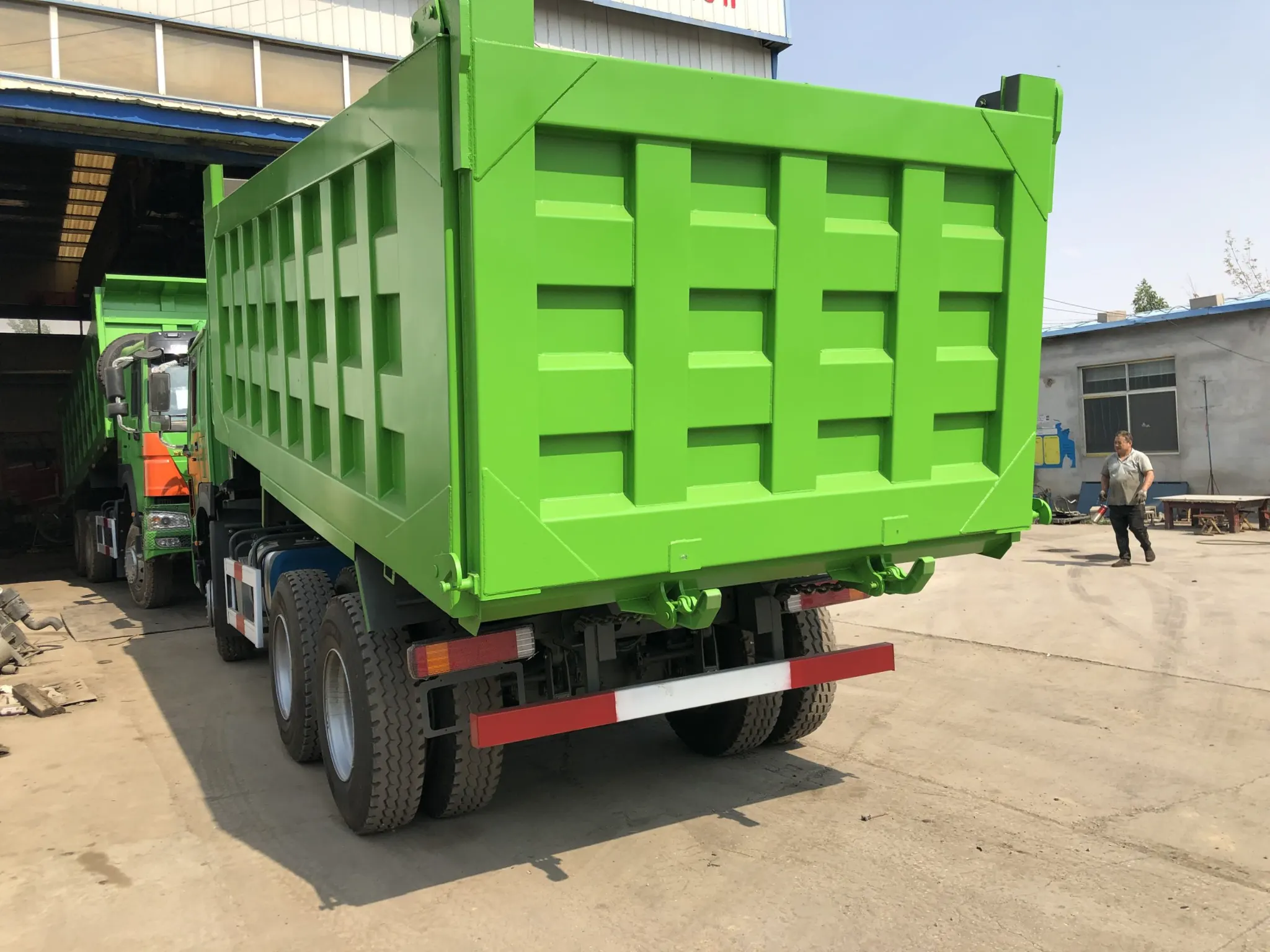
Walk around the truck and look for frame cracks, uneven tyre wear, rust on key structural areas, oil leaks, and damage on the tipping body. Test the hydraulics several times, not just once. Listen for strange noises from the gearbox or differential. When you shortlist a used dump truck for export, this kind of basic check saves you from shipping a problem unit halfway across the world.
Why Service History and Honest Photos Matter
A truck with records of major repairs, oil changes, and tyre replacements is easier to trust than one with no paperwork at all. Clear photos of cabin, chassis, tyres, and engine bay also help your buyer decide faster. Many buyers looking for used dump trucks for sale make an early decision based on how transparent the seller appears. Simple, honest detail works better than heavy slogans.
About Tuoda as Your Used Truck Export Partner
Liangshan Tuoda International Trade Co., Ltd. (abbreviated as “Tuoda”) is a professional exporter of second-hand heavy trucks and trailers based in Liangshan, Shandong, one of China’s key commercial vehicle trading hubs. The company focuses on supplying dump trucks, tractors, mixer trucks, flatbeds, and other work vehicles to customers along major trade routes, including many African countries.
Tuoda offers sourcing, refurbishing, and export services under one roof, with access to a large stock of units and complete export qualifications. Its team is used to handling different port requirements, route options, and buyer specifications, which helps you move used dump trucks for Africa with fewer surprises. For buyers and traders who do not have time to inspect dozens of trucks in person, this kind of focused support can make cross-border deals much smoother.
FAQ
Q1: What is the main reason African buyers prefer used dump trucks?
A: They get good hauling power at a way cheaper price than new ones. This matches small project money plans. And it still handles everyday job wants.
Q2: How old should a used dump truck be for export to Africa?
A: Lots of buyers take trucks from five to ten years old. But only if the shape is fine. And parts are simple to get nearby.
Q3: Which shipping method is most common for heavy trucks to Africa?
A: RoRo is picked a lot. The truck can roll on and off the ship. This makes moving easy. And it keeps prices fair.
Q4: Do GCC import rules affect trucks going to Africa?
A: They might. This happens mainly if the truck goes through a Gulf spot first. Age caps and follow rules could change your path pick.
Q5: What is the most important thing to check before buying used dump trucks for export?
A: Look hard at the build shape, motor and water push health, and plain papers. A good base and true fix past often count more than new color.
